







Mar 21,2026
Understanding Drone Brushless Motors: The Heart of Modern UAV Technology
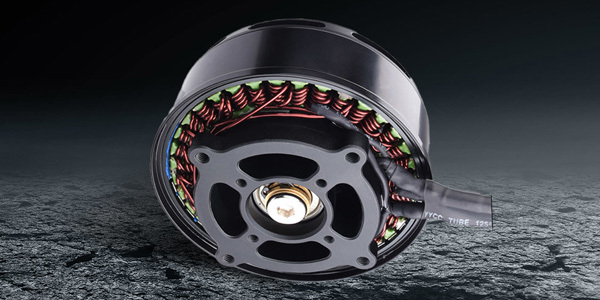
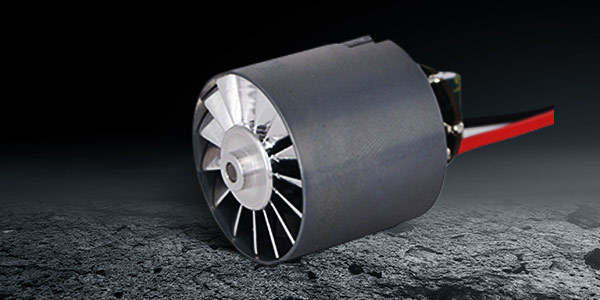
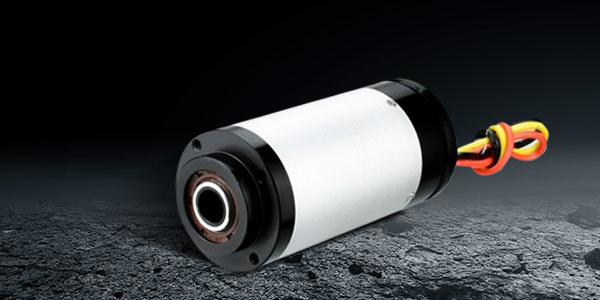
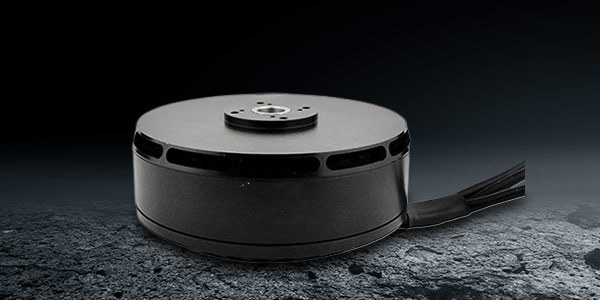
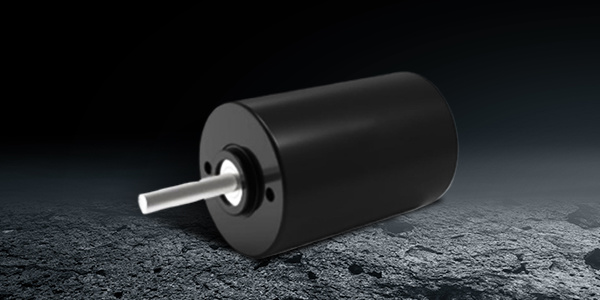
Drone brushless motors are increasingly becoming the standard choice for modern unmanned aerial vehicles (UAVs), commonly known as drones. Unlike traditional brushed motors, brushless motors use electromagnetic induction to generate motion, offering numerous advantages that make them suitable for a variety of applications, particularly in the field of aerial technology. One of the primary benefits
One of the primary benefits of drone brushless motors is their efficiency. These motors operate without brushes, which means there is reduced friction and, consequently, less heat generation. This leads to a higher performance level and longer operational lifespan compared to their brushed counterparts. The enhanced efficiency also translates to longer flight times, allowing drone users to maximize their aerial capabilities without the frequent need for recharging.
Moreover, brushless motors provide a more consistent and reliable power output. This is especially crucial for drones that require stable flight for tasks such as aerial photography, surveying, and search-and-rescue operations. The precise control over speed and torque that brushless motors offer ensures that drones can respond effectively to changes in wind conditions or other environmental factors, maintaining stability and control throughout the flight.
Another significant aspect of drone brushless motors is their lightweight design. The construction materials and design of these motors prioritize weight reduction, which is vital for drone performance. A lighter motor contributes to the overall weight savings of the drone, thereby enhancing its agility, maneuverability, and energy efficiency. This characteristic is particularly beneficial in racing drones, where every gram can affect speed and acceleration.
In addition to their performance attributes, brushless motors also require less maintenance. The absence of brushes means there are fewer parts to wear out or replace, reducing the overall maintenance costs and downtime for drone operators. This reliability is especially advantageous for commercial drone services, where operational uptime is critical to business success.
For those interested in the technical aspects, drone brushless motors are typically categorized based on their size, power rating, and intended application. Understanding these specifications is essential for selecting the right motor for specific drone designs. Whether for hobbyist use or professional applications, knowing the right brushless motor can significantly impact the performance and capabilities of the drone.
In summary, drone brushless motors represent a critical component of UAV technology, providing enhanced efficiency, reliability, and longevity. Their lightweight structure and low maintenance needs further underscore their importance in both recreational and commercial drone applications. As the drone industry continues to evolve, the role of brushless motors will undoubtedly remain pivotal in shaping the future of aerial technology.
Previous: None
Next: From Concept to Reality: The Evolution of Drone Power Systems


Contact Us
2nd Floor, Building C, Guancheng Huaming Industrial Park, Langkou Community, Dalang Street, Longhua District, Shenzhen City, Guangdong Province