







Apr 02,2026
Exploring the Role of Drones in Electrical and Mechanical Engineering
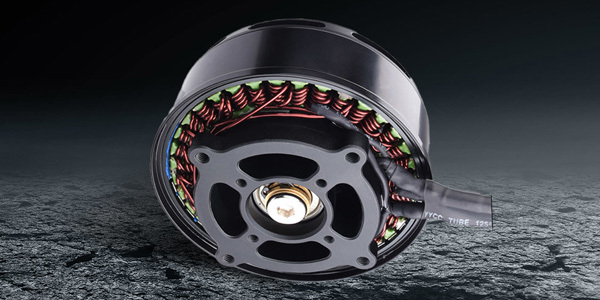
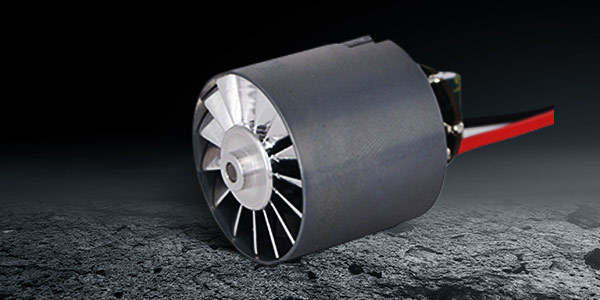
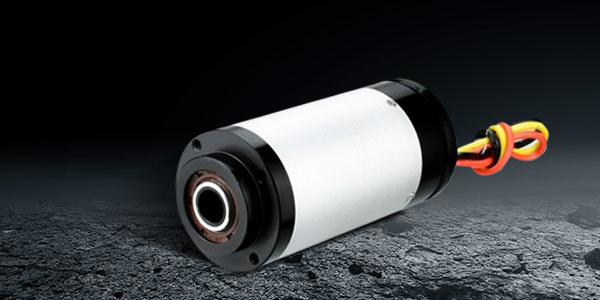
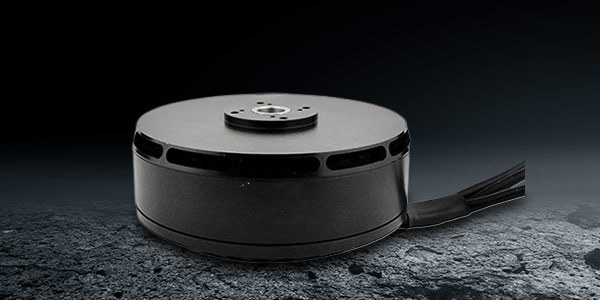
Drones have emerged as a powerful tool in the electrical and mechanical engineering sectors, particularly in tasks related to electric motors and specialized motors. Their ability to conduct inspections, monitor infrastructure, and collect data has become invaluable for professionals in these industries. This article will explore the multiple applications of drones, focusing on their utility in en
One of the most significant advantages of using drones in electrical engineering is their capability to perform aerial inspections of electrical grids and infrastructure. Traditional inspection methods often involve manual labor, which can be time-consuming and hazardous. Drones equipped with high-resolution cameras and thermal imaging technology can swiftly survey large areas, identifying potential issues such as overheating transformers or damaged power lines. This not only speeds up the inspection process but also reduces the risk associated with working at heights or in hazardous environments.
In the context of specialized motors, drones can facilitate the monitoring of motor installations and equipment in hard-to-reach locations. For instance, drones can be used to check the condition of motors in wind turbines or high-rise buildings, where accessing the machinery manually would be difficult and dangerous. By providing real-time visual data, drones enable engineers to make informed decisions about maintenance and repairs, ultimately extending the lifespan of electric motors.
Moreover, drones contribute to enhanced data collection and analysis. In electrical and mechanical engineering, accurate data is crucial for evaluating performance and efficiency. Drones can gather data on temperature, humidity, and other environmental factors that influence motor operation. This information can be integrated into predictive maintenance models, allowing engineers to anticipate potential failures before they occur. By leveraging drone technology, businesses can optimize their operations, reducing downtime and maintenance costs.
Training and certification in drone operation have also become essential for professionals in the electrical engineering sector. Understanding how to effectively utilize drone technology can set engineers apart in a competitive job market. As the industry continues to evolve, staying updated on the latest advancements in drone technology will be crucial for ensuring safety and compliance with regulatory requirements.
In summary, the integration of drones into the electrical and mechanical engineering fields offers numerous benefits, from improving inspection processes to enhancing data collection. As the technology continues to develop, it presents an exciting opportunity for professionals to elevate their practices and drive innovation within the industry. By adopting drone technology, engineers can not only improve their operational efficiency but also ensure greater safety and reliability in their projects.
Previous: None
Next: Everything You Need to Know About Drone Power Kits for Electricians


Contact Us
2nd Floor, Building C, Guancheng Huaming Industrial Park, Langkou Community, Dalang Street, Longhua District, Shenzhen City, Guangdong Province