







Apr 26,2026
Understanding Drone Motors: The Heart of Aerial Technology
--- When it comes to drone technology, the efficiency and performance of drone motors play a crucial role in determining the overall capability and functionality of the device. These motors are responsible for providing the necessary thrust to lift the drone off the ground, enabling it to navigate and perform various tasks, from recreational flying to professional applications such as surveying an
When it comes to drone technology, the efficiency and performance of drone motors play a crucial role in determining the overall capability and functionality of the device. These motors are responsible for providing the necessary thrust to lift the drone off the ground, enabling it to navigate and perform various tasks, from recreational flying to professional applications such as surveying and aerial photography.
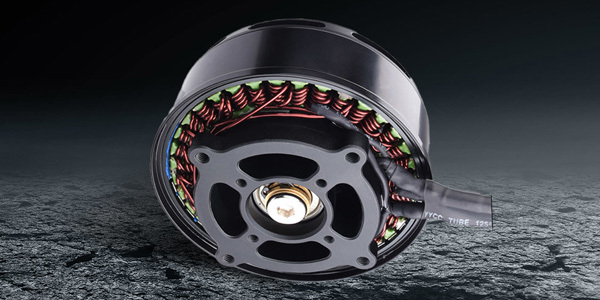
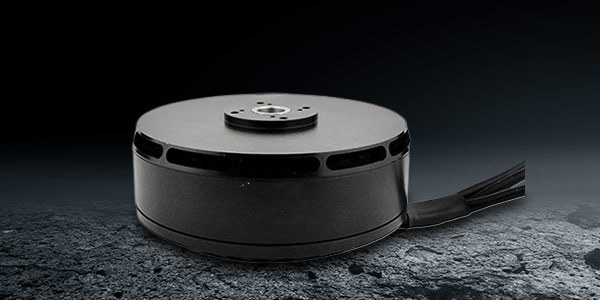
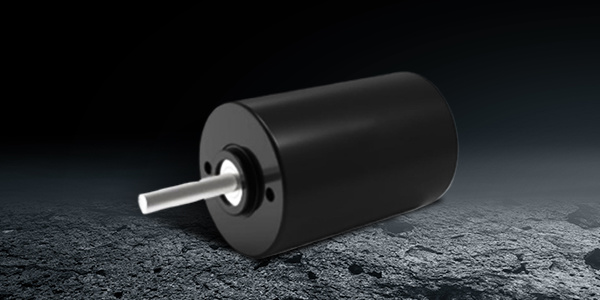
Drone motors can be categorized primarily into two types: brushed and brushless motors. Brushed motors are simpler in design and are often more affordable, making them suitable for beginner and lower-end models. However, they tend to be less efficient and have a shorter lifespan compared to brushless motors. Brushless motors, on the other hand, are more sophisticated. They offer higher efficiency, greater power-to-weight ratios, and longer operational lifespans. This makes them the preferred choice for most commercial and high-performance drones.
The efficiency of a drone motor is influenced by several factors, including the design of the motor, the number of poles, and the type of windings used. A motor with a higher efficiency rating will convert more electrical energy into mechanical energy, resulting in longer flight times and reduced battery consumption. This is particularly important for applications that require extended flight durations or heavy payloads.
Another critical aspect to consider is the motor's size and weight. The thrust-to-weight ratio is vital for a drone's performance, particularly in applications requiring agility and speed. Selecting the right motor involves understanding the drone's weight, the intended flight duration, and the required payload capacity. This ensures that the chosen motor will provide adequate thrust to meet the specific operational needs.
In addition to these technical specifications, the quality of the motor also plays a significant role in its performance. High-quality motors are designed to withstand the rigors of flight, including vibrations and temperature changes. They are often equipped with advanced cooling systems and are built with durable materials to enhance their longevity and reliability.
Maintenance is another essential aspect of managing drone motors. Regular checks on the motor’s performance, including assessing for wear and tear, can prolong its lifespan and ensure optimal functionality. Keeping the motors clean and free from debris, as well as ensuring proper alignment during installation, can further enhance their performance.
In summary, drone motors are a fundamental component that determines a drone's capabilities and effectiveness in various applications. Understanding the different types of motors, their efficiencies, and maintenance needs is essential for anyone looking to optimize drone performance and ensure successful missions. Whether you are a hobbyist or a professional, investing time in understanding drone motors can significantly impact your aerial operations.
Previous: None
Next: High Torque Drone Motor Selection: Essential Factors to Consider for Optimal Performance


Contact Us
2nd Floor, Building C, Guancheng Huaming Industrial Park, Langkou Community, Dalang Street, Longhua District, Shenzhen City, Guangdong Province