







Oct 03,2025
Understanding Drone Brushless Motors: The Heart of Modern UAV Technology
In the rapidly evolving field of unmanned aerial vehicles (UAVs), commonly known as drones, brushless motors play a pivotal role in ensuring optimal performance and efficiency. These motors are integral to the functionality of drones, offering several advantages over traditional brushed motors, making them the preferred choice for both hobbyists and professionals. Brushless motors are distinguishe
Brushless motors are distinguished by their design, which eliminates the use of brushes found in conventional motors. This absence of brushes results in several critical benefits. First and foremost, brushless motors have a longer lifespan. The wear and tear associated with brushes is non-existent, allowing for greater reliability and reduced maintenance needs. This durability is particularly important for drone applications, where consistent performance is essential.
Another significant advantage of drone brushless motors is their superior efficiency. These motors are designed to convert electrical energy into mechanical energy more effectively than their brushed counterparts. This efficiency translates into longer flight times, which is a crucial factor for any drone user, whether for recreational flying or professional applications such as aerial photography or surveying.
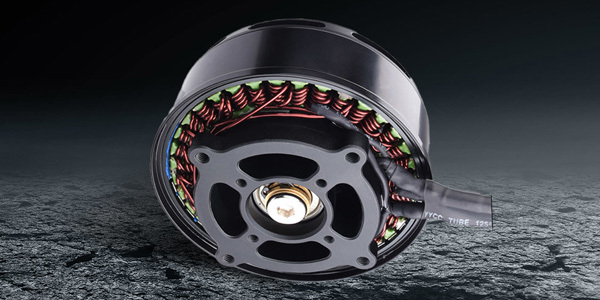
The working principle of brushless motors involves the use of electronic controllers to manage the motor's operation. In essence, they use magnets and coils to create a rotating magnetic field, which drives the rotor. This system allows for precise control over speed and torque, which is vital for the stability and maneuverability of drones, particularly in challenging flight conditions.
Furthermore, brushless motors are known for their quiet operation, which is an important consideration for many drone users, especially in urban environments or during sensitive operations. The reduced noise level can make a significant difference in maintaining a low profile, whether for recreational purposes or professional missions.
When choosing brushless motors for drones, several factors should be considered, including the motor's size, power rating, and compatibility with the drone's electronic speed controllers (ESCs). It is also essential to assess the specific use case—whether for racing, photography, or agricultural applications—as each scenario may require different motor specifications to achieve optimal performance.
In summary, drone brushless motors are a vital component of modern UAV technology, offering advantages that enhance flight performance, extend operational longevity, and improve overall user experience. Understanding their importance can help users make informed decisions, ensuring that their drones operate at peak efficiency. As the drone industry continues to expand, the role of brushless motors will undoubtedly remain central to innovations in this exciting field.
Previous: Why Choose High Torque Drone Motors for Your Next Project?
Next: Harnessing the Power: Innovative Drone Power Systems Revolutionizing Flight


Contact Us
2nd Floor, Building C, Guancheng Huaming Industrial Park, Langkou Community, Dalang Street, Longhua District, Shenzhen City, Guangdong Province