







Oct 08,2025
How to Choose the Right Flying Drone Motors for Your Aerial Projects
How to Choose the Right Flying Drone Motors for Your Aerial Projects When it comes to building or upgrading your drone, the motor is a crucial component that can dramatically affect performance, flight time, and overall capabilities. Understanding how to choose the right flying drone motors is vital for ensuring that your aerial projects are successful. In this comprehensive guide, we will delve i
How to Choose the Right Flying Drone Motors for Your Aerial Projects
When it comes to building or upgrading your drone, the motor is a crucial component that can dramatically affect performance, flight time, and overall capabilities. Understanding how to choose the right flying drone motors is vital for ensuring that your aerial projects are successful. In this comprehensive guide, we will delve into the various types of drone motors, their specifications, and the key factors to consider when making your selection. By the end of this article, you will be equipped with the knowledge needed to make an informed decision that aligns with your specific needs.
Table of Contents
- Understanding Drone Motors and Their Types
- Key Specifications of Drone Motors
- Performance Factors to Consider When Choosing Motors
- How to Match Motors to Your Drone Frame
- Popular Drone Motor Brands and Models
- Maintenance and Care for Drone Motors
- Troubleshooting Common Motor Issues
- Conclusion
- FAQs
Understanding Drone Motors and Their Types
Drone motors are generally classified into two main categories: brushed and brushless motors. Each type has its unique characteristics, advantages, and disadvantages.
Brushed Motors
Brushed motors are the traditional type of motor found in many early drones and some budget models. They operate using carbon brushes that make contact with the rotor, providing power to the motor. While they are generally less expensive and easier to repair, they have a shorter lifespan and are less efficient than brushless motors.
Brushless Motors
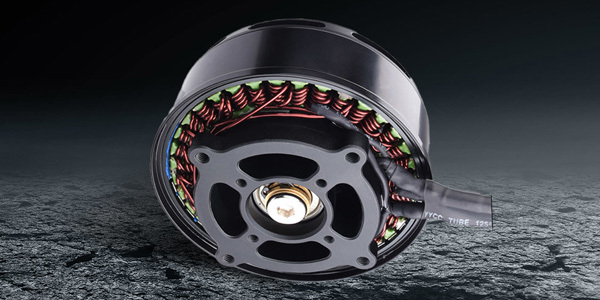
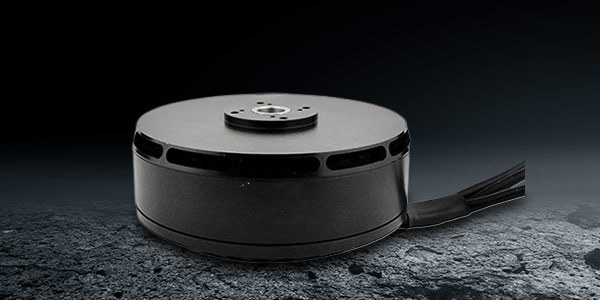
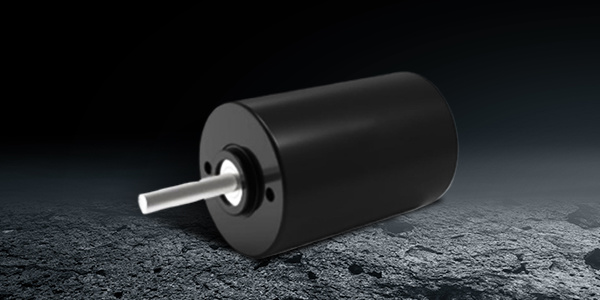
Brushless motors, on the other hand, utilize electronic controllers to manage the flow of electricity, resulting in higher efficiency and longer lifespans. They are more popular in modern drones due to their superior power-to-weight ratio, reduced maintenance needs, and quieter operation. Brushless motors can be further categorized into in-runner and out-runner types, each offering distinct advantages based on your project requirements.
Key Specifications of Drone Motors
When selecting the right motor for your drone, understanding key specifications is essential. Several parameters should be taken into account:
KV Rating
The KV rating indicates the motor's RPM (revolutions per minute) per volt applied. A higher KV rating translates to faster speeds but less torque, ideal for racing drones. Conversely, lower KV ratings provide more torque, making them suitable for heavy-lift applications.
Thrust-to-Weight Ratio
The thrust-to-weight ratio is crucial for determining how well your drone will perform. Ideally, the thrust should be at least double the total weight of the drone to ensure stable flight and agility.
Size and Dimensions
The physical size of the motor is also critical. Make sure to choose a motor that fits well within your drone frame without exceeding its weight limitations.
Power Consumption
Understanding the motor's power consumption is essential for balancing battery life and efficiency. Opt for motors that provide the best performance with the least energy consumption to maximize flight duration.
Performance Factors to Consider When Choosing Motors
Beyond specifications, several performance factors can influence your choice of drone motors:
Flight Type and Purpose
Consider the primary use of your drone. If you plan to race, you might prioritize speed and maneuverability. For aerial photography or surveying, stability and payload capacity become more critical.
Environmental Conditions
Different motors perform better under varying environmental conditions. High temperatures, humidity, or dust can affect motor performance and longevity. Ensure that the motor you choose is suitable for the environmental challenges you expect to encounter.
Battery Compatibility
Your motor selection must also align with your battery specifications. Ensure that the voltage and current ratings are compatible to avoid damage to either the motor or the battery.
How to Match Motors to Your Drone Frame
Choosing the right motor goes hand in hand with your drone frame. Here's how to ensure the best compatibility:
Frame Size
The size of your drone frame will directly impact your motor choice. Larger frames require motors that can produce higher thrust to lift the increased weight. Conversely, smaller frames benefit from lighter, more agile motors.
Propeller Size and Type
Matching your motors to the appropriate propeller size is crucial. Larger propellers require more torque and power, whereas smaller propellers can be efficiently driven by lower-KV motors.
Popular Drone Motor Brands and Models
Several established brands dominate the drone motor market, each offering a range of models suitable for various applications:
DJI Motors
Renowned for their reliability and performance, DJI motors are often integrated into their own drone models. They are ideal for users looking for a seamless experience.
SunnySky Motors
SunnySky offers a selection of high-quality brushless motors that deliver excellent efficiency and performance, making them popular among hobbyists and professional drone builders alike.
T-Motor
T-Motor is known for high-performance motors that cater to demanding applications such as aerial photography and racing. Their products are characterized by durability and innovative design.
Maintenance and Care for Drone Motors
Proper maintenance extends the life of your drone motors significantly. Here's how you can care for them:
Regular Inspections
Regularly inspect your motors for any signs of wear, damage, or debris. Clean the motors to ensure optimal performance and check for loose connections that could affect functionality.
Cooling and Ventilation
Ensure that your motors have adequate cooling and ventilation during flights. Overheating can lead to performance drops and damage, especially during extended use.
Troubleshooting Common Motor Issues
Even the best motors can encounter issues. Here are common problems and solutions:
Motor Not Spinning
If a motor fails to spin, check the connections and ensure that the ESC (Electronic Speed Controller) is functioning correctly. Replacing faulty components may be necessary.
Overheating
Frequent overheating may indicate an inadequate power supply or excessive load. Reduce the payload or switch to a more efficient motor to alleviate this issue.
Conclusion
Choosing the right flying drone motors for your aerial projects is a complex but rewarding process. By understanding the types of motors available, key specifications, and performance factors, you can make informed decisions tailored to your specific needs. Whether you're looking to build a racing drone or a professional aerial photography platform, selecting the appropriate motor will be crucial for achieving the best performance. So take your time, do your research, and enjoy creating exceptional flying experiences.
FAQs
1. What is the difference between brushed and brushless motors?
Brushed motors contain carbon brushes that wear out over time, while brushless motors use electronic controllers for longer lifespan and better efficiency.
2. How do I determine the right KV rating for my drone motor?
Consider your drone’s weight and purpose. Higher KV ratings are suitable for speed and agility, while lower ratings offer more torque for heavy-lift applications.
3. What is the ideal thrust-to-weight ratio for a drone?
An ideal thrust-to-weight ratio is at least 2:1 to ensure stable flight and responsiveness.
4. How often should I maintain my drone motors?
Regular inspections after every few flights can help catch issues early. More extensive maintenance may be needed after significant flights or environmental exposure.
5. Can I upgrade my drone motors after initial assembly?
Yes, upgrading your motors is possible but may require recalibrating your ESC and ensuring compatibility with your existing drone components.
Previous: Understanding Brushless Motors in Flying Drones: A Comprehensive Guide
Next: The Versatile Role of Drones in Electrical Engineering and Electric Motor Applications


Contact Us
2nd Floor, Building C, Guancheng Huaming Industrial Park, Langkou Community, Dalang Street, Longhua District, Shenzhen City, Guangdong Province