







Oct 22,2025
How Drone Power Systems Revolutionize Electric Motor Performance
How Drone Power Systems Revolutionize Electric Motor Performance Table of Contents 1. Introduction to Drone Power Systems 2. Understanding Electric Motors 2.1 Types of Electric Motors 2.2 Key Components of Electric Motors 3. The Intersection of Drone Technology and Electric Motors 3.1 The Role of Power Systems in Drones 3.2 Benefits of Integrating Drone Power Systems 4. Performance Enhancements Th
How Drone Power Systems Revolutionize Electric Motor Performance
Table of Contents
1. Introduction to Drone Power Systems
2. Understanding Electric Motors
2.1 Types of Electric Motors
2.2 Key Components of Electric Motors
3. The Intersection of Drone Technology and Electric Motors
3.1 The Role of Power Systems in Drones
3.2 Benefits of Integrating Drone Power Systems
4. Performance Enhancements Through Drone Power Systems
4.1 Increased Efficiency and Output
4.2 Enhanced Reliability and Durability
4.3 Advanced Control Capabilities
5. Case Studies: Real-World Applications
5.1 Agricultural Drones and Electric Motor Performance
5.2 Delivery Drones Revolutionizing Logistics
6. Future Trends in Drone Power Systems and Electric Motors
7. Frequently Asked Questions (FAQs)
8. Conclusion
1. Introduction to Drone Power Systems
Drone power systems have emerged as a groundbreaking technology in the field of electric motors. As industries increasingly rely on drones for various applications, the need for efficient and powerful electric motors becomes paramount. These power systems enable drones to operate more effectively, enhancing their overall performance and reliability.
In this article, we will explore the transformative impact of drone power systems on electric motors, focusing on how they optimize performance and contribute to innovations across various sectors.
2. Understanding Electric Motors
Electric motors are essential components in countless devices, from household appliances to industrial machinery. They convert electrical energy into mechanical energy, enabling movement and operation.
2.1 Types of Electric Motors
There are several types of electric motors, each suited for different applications. The most common types include:
- **AC Motors**: Used in applications where a constant speed is required.
- **DC Motors**: Offer greater control over speed and torque, making them ideal for robotics and drones.
- **Brushless Motors**: Known for their efficiency and long lifespan, commonly used in high-performance applications.
2.2 Key Components of Electric Motors
Electric motors consist of several key components, including:
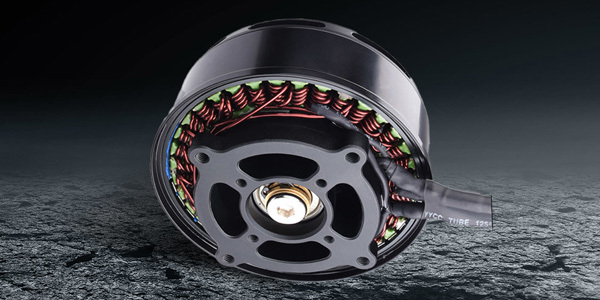
- **Stator**: The stationary part of the motor that produces a magnetic field.
- **Rotor**: The rotating element that interacts with the magnetic field to produce motion.
- **Commutator**: Used in some motors to reverse the direction of current, allowing for continuous rotation.
Understanding these components is crucial for recognizing how drone power systems can enhance their performance.
3. The Intersection of Drone Technology and Electric Motors
As drone technology continues to evolve, so too does the demand for advanced electric motors that can meet the challenges of modern applications. Drone power systems play a pivotal role in this evolution.
3.1 The Role of Power Systems in Drones
Drone power systems typically consist of batteries, electronic speed controllers (ESC), and propellers. These components work together to provide the necessary thrust and maneuverability for drones. The efficiency and effectiveness of these systems are vital for optimal drone performance.
3.2 Benefits of Integrating Drone Power Systems
Integrating drone power systems into electric motors offers numerous benefits:
- **Improved Power-to-Weight Ratio**: This enables drones to carry heavier payloads without sacrificing performance.
- **Increased Flight Time**: Efficient power systems allow for longer operational periods before needing a recharge.
- **Enhanced Maneuverability**: Advanced control systems improve a drone's responsiveness and agility in flight.
These advantages contribute to a more robust overall performance for electric motors used in drones.
4. Performance Enhancements Through Drone Power Systems
The integration of drone power systems into electric motors leads to several significant performance enhancements.
4.1 Increased Efficiency and Output
One of the most notable benefits of drone power systems is their ability to increase the efficiency and output of electric motors. By optimizing energy consumption, these systems allow motors to produce more power using less energy. This results in improved performance and lower operational costs.
4.2 Enhanced Reliability and Durability
Drone power systems are designed to withstand the rigors of flight, making them more durable than traditional power systems. The robust design and high-quality materials used in these systems contribute to enhanced reliability, reducing the likelihood of motor failure during operation.
4.3 Advanced Control Capabilities
The integration of sophisticated electronic speed controllers enables precise control over motor performance. This allows for smoother acceleration and deceleration, as well as improved handling in various conditions. Advanced control capabilities enhance the overall functionality of electric motors in drones.
5. Case Studies: Real-World Applications
Examining real-world applications of drone power systems provides insight into their transformative effects on electric motors.
5.1 Agricultural Drones and Electric Motor Performance
In the agricultural sector, drones equipped with advanced electric motors have revolutionized farming practices. These drones can cover large areas quickly and efficiently, using drone power systems to enhance their performance. By integrating powerful electric motors, farmers can achieve better crop monitoring and precision spraying, leading to increased yields.
5.2 Delivery Drones Revolutionizing Logistics
Delivery drones are becoming increasingly popular in logistics, with companies like Amazon and UPS exploring their potential. The efficiency of drone power systems contributes to faster delivery times and reduced operational costs. Electric motors equipped with these advanced power systems allow for reliable, swift transportation of goods.
6. Future Trends in Drone Power Systems and Electric Motors
As technology continues to advance, the future of drone power systems and electric motors looks promising. Key trends to watch for include:
- **Increased Use of Renewable Energy**: The integration of solar panels and wind energy into drone power systems may lead to more sustainable operations.
- **Advancements in Battery Technology**: New battery technologies will likely extend flight times and improve overall efficiency.
- **Smart Systems and AI Integration**: The incorporation of artificial intelligence will enhance control systems, leading to even more sophisticated drone capabilities.
These trends indicate a bright future for the integration of drone power systems into electric motors, resulting in further performance enhancements and innovations.
7. Frequently Asked Questions (FAQs)
1. What are drone power systems?
Drone power systems consist of batteries, electronic speed controllers, and propellers that work together to provide thrust and maneuverability for drones.
2. How do drone power systems enhance electric motor performance?
They improve the power-to-weight ratio, increase flight time, and enhance maneuverability, resulting in better overall performance.
3. What types of electric motors are commonly used in drones?
DC motors and brushless motors are often used in drones due to their efficiency and control capabilities.
4. What industries benefit from drone power systems?
Various industries benefit, including agriculture, logistics, surveillance, and emergency response.
5. What future trends are expected in drone power systems?
Expect advancements in renewable energy integration, battery technology, and the use of AI for smarter control systems.
8. Conclusion
The integration of drone power systems into electric motors marks a significant leap forward in technology. By enhancing efficiency, reliability, and control, these systems are reshaping industries and paving the way for future innovations. As drone technology continues to evolve, we can anticipate even greater advancements in electric motor performance, ensuring that they remain at the forefront of modern engineering. This synergy between drone power systems and electric motors will undoubtedly lead to a more efficient, innovative, and sustainable future in various applications.
Previous: Understanding Drone Brushless Motors: Key Features and Benefits
Next: Enhance Your Drone Experience: Essential Accessories for Flying Drones


Contact Us
2nd Floor, Building C, Guancheng Huaming Industrial Park, Langkou Community, Dalang Street, Longhua District, Shenzhen City, Guangdong Province