







Nov 04,2025
Understanding Drone Motors: Key Components for Optimal Flight Performance
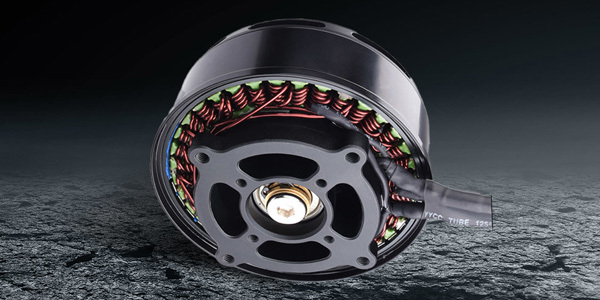
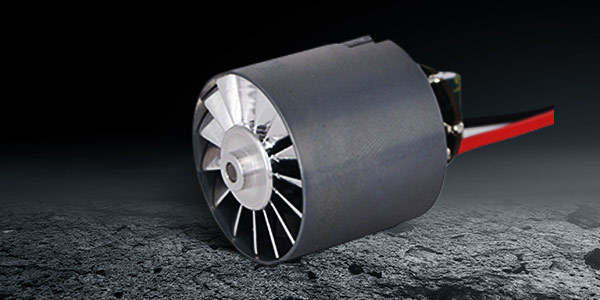
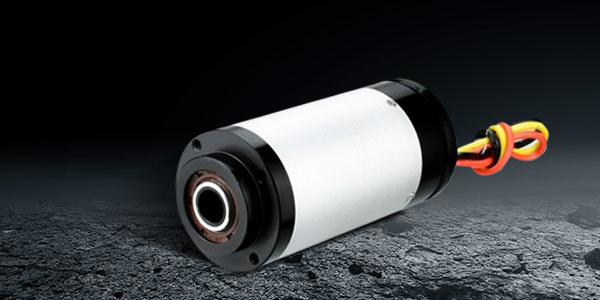
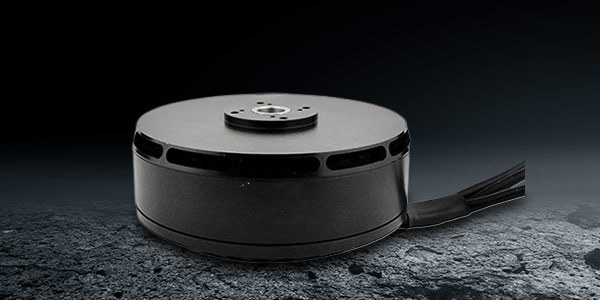
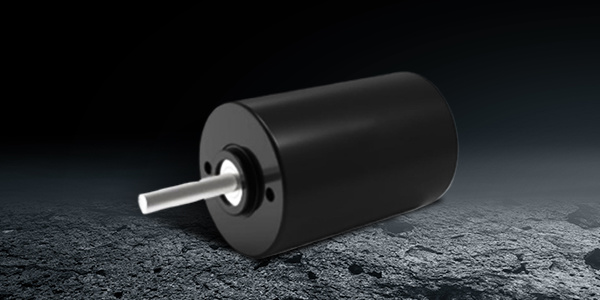
Drone motors are fundamental components that determine the flight capabilities of unmanned aerial vehicles (UAVs). These motors convert electrical energy into mechanical energy, enabling the propellers to generate lift. Understanding the various types of drone motors and their applications is critical for optimizing drone performance. There are two primary types of motors used in drones: brushed a
There are two primary types of motors used in drones: brushed and brushless motors. Brushed motors are simpler in design and generally less expensive, making them suitable for beginners and small drones. However, they tend to wear out more quickly and offer less efficiency compared to brushless motors. On the other hand, brushless motors are more advanced and highly efficient, providing better power-to-weight ratios, longer lifespans, and smoother operation. This makes them the preferred choice for professional and commercial drones.
When selecting a motor for a drone, several factors should be considered. The first is the motor's thrust-to-weight ratio, which is crucial for determining how well a drone can climb, maneuver, and carry payloads. It is important to match the motor’s specifications with the drone’s design and intended use. Additionally, the size and weight of the drone play a significant role in motor selection, as larger drones may require more powerful motors to achieve optimal performance.
Another important consideration is the motor's Kv rating, which indicates the motor's RPM per volt. A higher Kv rating means the motor will spin faster, making it ideal for racing drones or applications that require high speed. Conversely, lower Kv motors are better suited for heavy-lift drones where stability and torque are more critical than speed.
Furthermore, the efficiency of the motor is essential for prolonging battery life. Using a motor that operates efficiently can significantly increase flight time, allowing for longer missions without the need for frequent recharging. This is particularly important in commercial applications, such as aerial photography or surveying, where extended flight durations are often required.
In conclusion, understanding the intricacies of drone motors is vital for anyone involved in drone operation or design. By carefully selecting the right type of motor and considering factors such as thrust-to-weight ratio, Kv rating, and efficiency, users can optimize their drone's performance and achieve their desired outcomes. Whether for hobbyist use or professional applications, the right motor can make all the difference in achieving successful flight operations.
Previous: Transform Your Electrical Projects with Drone Power Kits: Unleashing Efficiency and Precision
Next: How High Torque Drone Motors Enhance Aerial Photography for Stunning Visuals


Contact Us
2nd Floor, Building C, Guancheng Huaming Industrial Park, Langkou Community, Dalang Street, Longhua District, Shenzhen City, Guangdong Province