







Nov 24,2025
The Great Showdown: Brushless Motor vs Brushed Motor
Dive into the intriguing world of brushless motors and brushed motors, exploring their key differences, applications, and advantages.
Introduction
Hey there, tech enthusiasts! If you've ever tinkered with gadgets or dabbled in DIY projects, you've probably come across the terms 'brushless motor' and 'brushed motor.' But what's the real difference? Buckle up, because we're diving into the nitty-gritty of brushless motor vs brushed motor!
What Are Brushed Motors?
First off, let's break down brushed motors. These little wonders have been around for quite some time, making them a staple in various applications. Simply put, a brushed motor uses a commutator and brushes to operate. When electricity flows through the brushes, it creates a magnetic field that turns the rotor. Sounds simple, right? But this simplicity comes at a cost—literally!
The Highs and Lows of Brushed Motors
While they're easy to control and generally cheaper, brushed motors do have their drawbacks. For one, they're less efficient than their brushless counterparts, leading to more heat generation and quicker wear and tear due to friction. Yikes! Plus, the maintenance involved can be a real headache, especially if you're using them in high-performance applications.
Common Uses
Brushed motors are often found in household appliances like vacuum cleaners, toys, and small power tools. They do the job well enough, but if you need something that lasts, you might want to consider alternatives.
Now, Enter the Brushless Motor
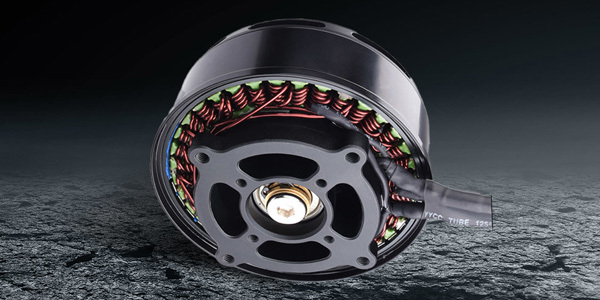
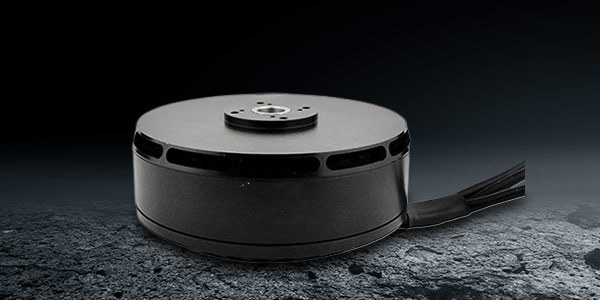
Now, let's talk about the star of the show: the brushless motor! These bad boys have been making waves in various industries, and for good reason. Brushless motors operate without brushes, using electronic controllers to switch the current and create a rotating magnetic field. This means less wear and tear and a longer lifespan. Talk about a win-win!
Benefits of Brushless Motors
When it comes to efficiency and performance, brushless motors take the cake. They're known for better torque, reduced noise, and, best of all, less heat generation. So, if you're looking to squeeze out every ounce of power from your device, the brushless option is the way to go.
Where You'll Find Brushless Motors
You'll spot these motors in high-end applications like drones, electric vehicles, and industrial machinery. Basically, anywhere you need reliable, long-lasting performance, brushless motors are likely lurking around!
The Big Showdown: Brushless Motor vs Brushed Motor
So, how do these two stack up against each other? Let's break it down:
- Efficiency: Brushless motors reign supreme with higher efficiency.
- Cost: Brushed motors are generally cheaper upfront.
- Maintenance: Brushless motors require less maintenance.
- Performance: Brushless motors offer better performance and longevity.
Which One Should You Choose?
At the end of the day, the choice between a brushless motor and a brushed motor boils down to your specific needs. If you're after high performance and longevity, go brushless. But if you're on a budget and need something simple for basic tasks, a brushed motor might just do the trick. Remember, every tool has its place!
Conclusion
In the world of motors, knowing the ins and outs of brushless motor vs brushed motor can make all the difference in your projects. Whether you're a hobbyist or a pro, understanding these two types of motors will help you make informed decisions. So, the next time you're shopping for a motor, keep this guide in your back pocket!
Previous: Is Brushless Motor Better? The Lowdown on Modern Motors
Next: Discovering the Wonders of a Brushless Motor Lawn Mower


Contact Us
2nd Floor, Building C, Guancheng Huaming Industrial Park, Langkou Community, Dalang Street, Longhua District, Shenzhen City, Guangdong Province