







Aug 13,2026
The Connection Between Flying Drone Power Kits and Enhanced Motor Efficiency
The Connection Between Flying Drone Power Kits and Enhanced Motor Efficiency Table of Contents 1. Introduction to Drone Technology and Power Kits 2. Understanding Motor Efficiency in Drones 3. The Role of Power Kits in Drone Performance 4. Key Components of Flying Drone Power Kits 5. How Power Kits Enhance Motor Efficiency 6. Real-World Applications of Enhanced Motor Effic
The Connection Between Flying Drone Power Kits and Enhanced Motor Efficiency
Table of Contents
- 1. Introduction to Drone Technology and Power Kits
- 2. Understanding Motor Efficiency in Drones
- 3. The Role of Power Kits in Drone Performance
- 4. Key Components of Flying Drone Power Kits
- 5. How Power Kits Enhance Motor Efficiency
- 6. Real-World Applications of Enhanced Motor Efficiency
- 7. Future Trends in Drone Power Technology
- 8. Conclusion
- 9. Frequently Asked Questions
1. Introduction to Drone Technology and Power Kits
The rapid advancements in drone technology have transformed various industries, from agriculture to surveillance. At the heart of this innovation lies the crucial relationship between power supply systems and motor efficiency. **Flying drone power kits** play a pivotal role in ensuring that drones operate optimally, extending their capabilities and enhancing their overall performance. In this article, we will explore how these power kits contribute to improved motor efficiency, providing insights into their components and real-world applications.
2. Understanding Motor Efficiency in Drones
Motor efficiency refers to the ability of a motor to convert electrical energy into mechanical energy with minimal losses. In drones, efficient motors are essential for optimal flight performance, including speed, endurance, and payload capacity. The efficiency of a motor is influenced by several factors, including:
2.1 Power Input
The amount of electrical power supplied to the motor directly impacts its efficiency. A well-designed power kit ensures that the motor receives an adequate and stable power supply, minimizing energy losses.
2.2 Motor Design
The design and construction of the motor, including the materials used and the winding configuration, also play a significant role in efficiency. Advanced motors utilize high-quality materials and innovative designs to enhance performance.
2.3 Operating Conditions
Environmental factors such as temperature and altitude can influence motor performance and efficiency. Power kits designed for specific conditions can help maintain optimal efficiency levels.
3. The Role of Power Kits in Drone Performance
Power kits are integral to the functionality of drones. They typically consist of batteries, electronic speed controllers (ESCs), and power distribution boards (PDBs), all working together to provide a reliable power source for the drone's motors and other electronic components.
3.1 Batteries
High-capacity lithium polymer (LiPo) batteries are commonly used in drone power kits. These batteries offer a high energy-to-weight ratio, allowing for longer flight times without compromising the drone's payload capacity.
3.2 Electronic Speed Controllers (ESCs)
ESCs regulate the power supplied to the motors, enabling precise control of speed and responsiveness. They also serve as a safeguard against overcurrent, ensuring that the motors operate within safe limits.
3.3 Power Distribution Boards (PDBs)
PDBs facilitate the distribution of power from the batteries to various components of the drone, including motors and flight controllers. A well-designed PDB minimizes voltage drops, enhancing overall efficiency.
4. Key Components of Flying Drone Power Kits
To fully understand how power kits enhance motor efficiency, it is essential to examine their key components in detail.
4.1 Battery Technology
Advancements in battery technology have significantly impacted drone performance. Modern power kits utilize batteries with higher energy densities and improved discharge rates. This allows drones to achieve longer flight times and increased thrust.
4.2 Brushless Motors
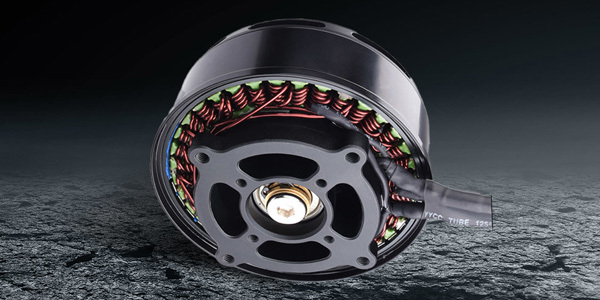
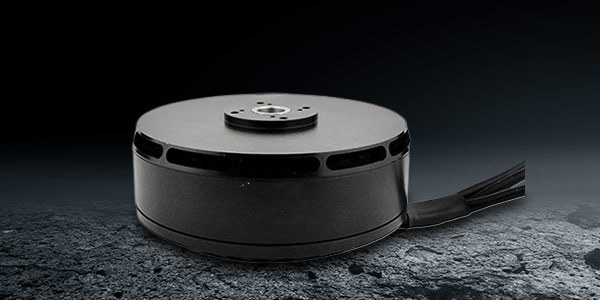
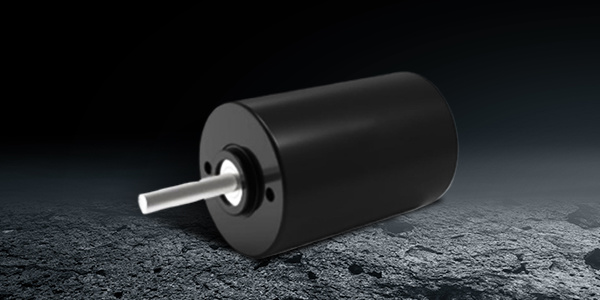
Most modern drones are equipped with brushless motors known for their efficiency and durability. These motors generate more power while consuming less energy, maximizing performance and extending flight duration.
4.3 Intelligent Battery Management Systems (BMS)
BMS technology monitors battery health and performance, optimizing energy usage and prolonging battery life. By preventing overcharging and deep discharging, BMS enhances the overall efficiency of power kits.
5. How Power Kits Enhance Motor Efficiency
The synergy between flying drone power kits and motor efficiency is profound. Here are the primary ways in which power kits contribute to enhanced motor performance:
5.1 Increased Power Delivery
Power kits are designed to deliver stable and sufficient power to motors, leading to improved thrust and responsiveness. This is particularly critical during demanding maneuvers such as climbing or rapid acceleration.
5.2 Reduced Weight
Modern power kits prioritize weight efficiency. By using lightweight materials and components, these kits minimize the overall weight of the drone, allowing for greater payload capacities and improved energy efficiency.
5.3 Enhanced Thermal Management
Proper thermal management is crucial for motor efficiency. Power kits equipped with advanced cooling solutions help maintain optimal temperatures during operation, which is vital for sustaining high-performance levels.
5.4 Optimal Energy Utilization
Power kits engineered for efficiency ensure that energy is utilized effectively. This involves minimizing energy losses through heat dissipation and ensuring that every watt of electrical power contributes to motor performance.
6. Real-World Applications of Enhanced Motor Efficiency
The implications of improved motor efficiency through power kits extend across various sectors. Here are some notable applications:
6.1 Aerial Photography and Videography
Drones equipped with enhanced power kits can stay airborne longer, capturing high-quality images and videos without interruptions. This is particularly valuable in filmmaking, real estate, and wildlife monitoring.
6.2 Agriculture
In agricultural settings, drones are used for crop monitoring, spraying pesticides, and surveying land. Improved motor efficiency allows these drones to cover larger areas more effectively, resulting in better yields and reduced operational costs.
6.3 Search and Rescue Operations
Drones with advanced power kits can provide essential support during search and rescue missions. Their extended flight times and capabilities make them invaluable tools for locating missing persons or assessing disaster-stricken areas.
6.4 Infrastructure Inspection
Drones equipped with powerful motors are ideal for inspecting critical infrastructure such as bridges, power lines, and pipelines. Enhanced motor efficiency allows for thorough inspections on a single battery charge, improving safety and reducing costs.
7. Future Trends in Drone Power Technology
The future of drone power technology is bright, with several trends emerging that promise to enhance motor efficiency even further.
7.1 Hybrid Power Systems
Hybrid power systems that combine traditional batteries with alternative energy sources, such as solar panels, are gaining traction. These systems could revolutionize drone flight by extending operational ranges and reducing reliance on conventional battery technologies.
7.2 Artificial Intelligence in Energy Management
Integrating AI into power management systems allows for real-time optimization of energy consumption. AI can analyze flight patterns, weather conditions, and battery health to adjust power distribution dynamically.
7.3 Advancements in Battery Chemistry
Research into new battery chemistries, such as solid-state batteries, promises to enhance energy density and charge times significantly. These advancements could lead to longer-lasting drones with improved motor efficiency.
8. Conclusion
The connection between flying drone power kits and enhanced motor efficiency is crucial for the next generation of drone technology. By understanding the components and benefits of these power kits, we can appreciate their role in improving drone performance across various industries. As technology continues to advance, the potential for enhanced efficiency in drone motors will only grow, paving the way for more innovative applications and a sustainable future in aerial technology.
9. Frequently Asked Questions
What are flying drone power kits?
Flying drone power kits consist of components like batteries, electronic speed controllers, and power distribution boards that work together to supply and manage power for the drone's motors and electronics.
How do power kits enhance motor efficiency?
Power kits enhance motor efficiency by delivering stable power, reducing weight, improving thermal management, and optimizing energy utilization, enabling motors to perform better with less energy.
What types of batteries are used in drone power kits?
Lithium polymer (LiPo) batteries are commonly used due to their high energy density, which allows drones to achieve longer flight times and better performance.
What role do electronic speed controllers play in drones?
Electronic speed controllers regulate the power supplied to the motors, ensuring precise control over speed and responsiveness while protecting the motors from overcurrent situations.
What future trends are expected in drone power technology?
Future trends include hybrid power systems, AI-based energy management, and advancements in battery chemistry, all of which promise to enhance motor efficiency and overall drone performance.
Previous: Essential Accessories for Flying Drones: Enhance Your Aerial Experience
Next: Understanding Brushless Motors in Flying Drones: A Key to Enhanced Performance


Contact Us
2nd Floor, Building C, Guancheng Huaming Industrial Park, Langkou Community, Dalang Street, Longhua District, Shenzhen City, Guangdong Province