







Nov 15,2026
Understanding Drone Motors: Key Components for Optimal Performance
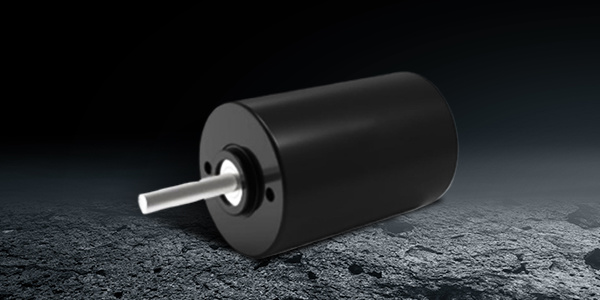
When it comes to drone motors, understanding their function and characteristics is vital for anyone involved in the electric and electronic engineering sector, especially in the realm of specialized motors. Drone motors serve as the heart of any unmanned aerial vehicle (UAV), driving propellers to generate the necessary lift and thrust for flight. To ensure optimal performance, it’s crucial to gra
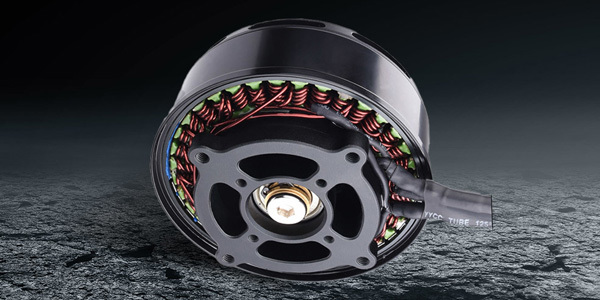
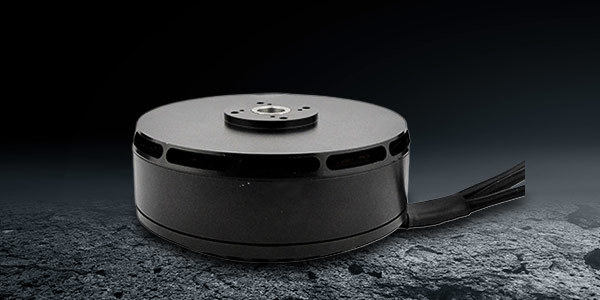
Drone motors are typically categorized into two main types: brushed and brushless. Brushed motors are simpler in design and often more economical. However, they tend to be less efficient and have a shorter lifespan due to the wear and tear of brushes. Conversely, brushless motors provide superior efficiency, longevity, and power-to-weight ratios, making them the preferred choice for most modern drones. These motors utilize electronic speed controllers (ESCs) to manage their operation, allowing for smoother flight maneuvers and better responsiveness.
One of the key specifications to consider when evaluating drone motors is the motor's Kv rating, which indicates the motor's RPM (revolutions per minute) per volt. A higher Kv rating means that the motor can spin faster, which is essential for racing drones seeking speed. However, higher Kv motors can also draw more current, necessitating careful consideration of battery capacity and efficiency to avoid overheating and power drain during flight.
Another important aspect of drone motors is their size and weight. Smaller motors are generally lighter, contributing to better flight time and maneuverability. However, larger motors can handle heavier payloads and provide more thrust, which is particularly beneficial for drones designed for aerial photography or carrying specialized equipment. Balancing motor size with the drone's intended use is crucial in achieving the desired performance.
Furthermore, the choice of propellers is intimately linked to motor selection. The diameter and pitch of propellers must be compatible with the motor to optimize thrust and efficiency. A mismatch can lead to poor performance, increased power consumption, and shortened flight times.
In conclusion, understanding drone motors is essential for anyone looking to enhance their expertise in electric motors and specialized applications. By considering factors such as motor type, Kv rating, size, weight, and propeller compatibility, users can significantly improve their drone's performance. Investing time in learning about these components will ultimately lead to more successful and enjoyable flight experiences.
Previous: None
Next: Understanding the Technology Behind High Torque Drone Motors: A Comprehensive Guide
Latest News


Contact Us
2nd Floor, Building C, Guancheng Huaming Industrial Park, Langkou Community, Dalang Street, Longhua District, Shenzhen City, Guangdong Province