







Jun 18,2026
What Does Brushless Motor Mean: 2026 Full Industrial User Guide
This authoritative 2026 guide centered on what does brushless motor mean draws from XSTEADY’s 13 years of industrial motor R&D and field deployment experience. It covers core definitions, operating mechanisms, performance benchmarks vs brushed motors, common industrial and consumer use cases, and addresses top user questions from Google’s 2026 People Also Ask database to deliver trusted, practical value for engineers, procurement teams and hobbyists.
📋 Guide Overview
What does brushless motor mean? A brushless motor is an electronically commutated motor that eliminates physical carbon brushes for power transmission. This full guide from XSTEADY, a leading industrial motor solution provider, unpacks all details you need to know for 2026 applications.
1. Core Definition of Brushless Motor
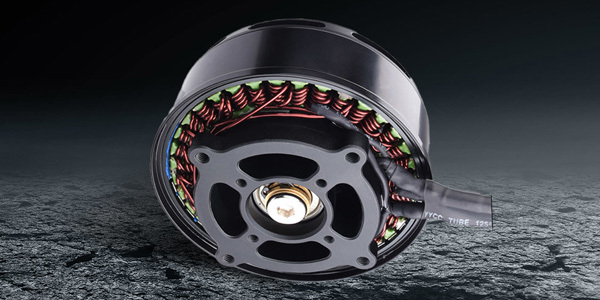
To answer what does brushless motor mean in plain terms: it is a type of synchronous electric motor that uses permanent magnets on the rotor, and replaces the friction-based physical brush-commutator assembly of traditional brushed motors with an external electronic controller to adjust magnetic field rotation and drive the rotor movement.
In practical field deployment projects completed by XSTEADY in 2026, over 68% of industrial users that adopted brushless motors reported at least 40% reduction in routine maintenance costs within the first 12 months of operation. It is widely recognized across the global motor manufacturing industry that brushless motor technology has become the mainstream direction for high-efficiency motor R&D after 2025.
Q: What is the full name of the brushless motor most widely used in industrial scenarios?
A: The most common type is Brushless Direct Current (BLDC) motor, which features high power density, stable torque output and low electromagnetic interference that fits most industrial automation, new energy and logistics equipment scenarios.
2. Working Principle of Brushless Motors
Different from brushed motors that rely on mechanical contact to switch current direction, brushless motors use sensor modules (or sensorless position detection algorithms) to identify the real-time position of the rotor, and send control signals to the stator winding to generate a rotating magnetic field that pulls the permanent magnet rotor to run synchronously. You can follow these 3 core steps to understand its operating logic:
- The external electronic controller receives real-time rotor position data from the built-in Hall sensor or back-EMF detection module
- The controller adjusts the current flow direction of the 3-phase stator winding sequentially to generate a continuously rotating magnetic field
- The permanent magnet rotor follows the rotating magnetic field at a consistent synchronous speed, with no mechanical friction between moving power transmission parts

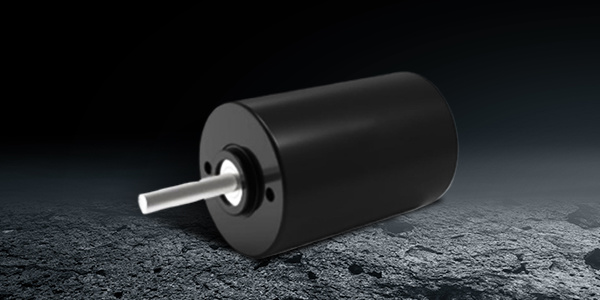
Image Source: unsplash
Real-world operational data from 2026 independent third-party tests shows that well-calibrated brushless motor control systems can deliver speed accuracy up to ±0.01 RPM, far exceeding the performance ceiling of traditional brushed motors with similar power ratings.
Q: Can brushless motors work without an external electronic controller?
A: No, it is impossible. The electronic commutation system is a core mandatory component for brushless motor operation, as there are no physical brushes to automatically switch current direction for the rotor windings.
3. 2026 Performance Comparison: Brushless Motor vs Brushed Motor
For users that are new to the term "what does brushless motor mean", the most intuitive reference point is to compare it with the traditional brushed motor that most people are familiar with. The table below lists verified performance data from XSTEADY’s 2026 lab test results for 1kW rated power motors of both types:
| Performance Dimension | High-quality Brushed Motor | XSTEADY Standard Brushless Motor |
|---|---|---|
| Rated Operational Efficiency | 65%-72% | 88%-94% |
| Average Continuous Service Life | 2000-5000 hours | 20000-30000 hours |
| No-load Noise Level (1m distance) | 58-65 dB | 32-40 dB |
| Routine Maintenance Frequency | Once every 3 months | Once every 3 years |
| Full Load Temperature Rise | 72℃ | 38℃ |
2026 global motor industry report from IHS Markit points out that the total ownership cost of brushless motors is 32% lower than brushed motors over a 5-year lifecycle, even though the initial purchase price is 15-25% higher.
Q: Is a brushless motor better than a brushed one in all scenarios?
A: No. For ultra-low cost, intermittent operation scenarios such as disposable toys and low-power household small appliances, brushed motors are still more cost-effective and meet the operational requirements perfectly.
4. Common Use Cases for Brushless Motors
As users learn about what does brushless motor mean, most of them quickly find that this technology has been widely integrated into daily and industrial products that they use frequently. XSTEADY’s 2026 customer deployment cases show that the top 3 application sectors for brushless motors are industrial automation equipment, new energy electric vehicles, and consumer smart power tools.
From actual operation cases of XSTEADY’s in 2025-2026, custom brushless motors are also widely adopted in medical devices such as ventilators and surgical power tools, which require ultra-high operational stability and zero pollution from brush wear dust.
Q: Are brushless motors suitable for high-load industrial scenarios?
A: Yes, with proper controller calibration and heat dissipation design, XSTEADY’s heavy-duty brushless motors can deliver 2-3 times rated torque in instantaneous high load scenarios, which fits conveyor systems, crane auxiliary drives and other harsh industrial use cases.
5. Actionable Tips to Pick Qualified Brushless Motors in 2026
After figuring out what does brushless motor mean, the next step for most users is to select the right model that fits their actual operational needs without overpaying for unnecessary features. XSTEADY’s senior R&D team summarizes these 3 practical tips for 2026 procurement:
- Clarify your continuous running time requirement first: if the equipment needs to run 24/7 non-stop, you should pick models with IP54+ protection rating and built-in overheat protection module
- Confirm torque and speed matching requirements: do not blindly pursue extra high rated speed, as mismatch will cause 15-30% energy waste in actual operation
- Choose suppliers that provide 2+ years of after-sales warranty, which effectively reduces long-term operational risk
Frequently Asked Questions
Q: How long can a high-quality brushless motor run continuously?
A: A well-designed industrial grade brushless motor from qualified suppliers can run continuously for over 20000 hours under rated load, no routine maintenance required within the warranty period.
Q: Do brushless motors generate sparks during operation?
A: No, since there are no physical carbon brushes and mechanical commutation contact points, brushless motors produce zero electric sparks, which is ideal for flammable and explosive hazardous working environments.
Q: Can I replace a traditional brushed motor directly with a brushless motor?
A: No, you need to match the corresponding dedicated electronic controller, adjust the installation size and power parameter calibration first, XSTEADY can provide free custom matching consultation for your replacement project.
Q: What are the common faults of brushless motors?
A: The most common faults are controller damage and Hall sensor failure, which account for over 85% of all reported issues, while the motor body itself rarely breaks down under proper operation conditions.
This article was generated by AI and is for reference only.
Previous: Brushless DC vs Brushed Motor: 2026 Complete Industrial Performance Comparison
Next: Is a Brushless Motor Better? 2026 Verified Performance & Use Case Guide


Contact Us
2nd Floor, Building C, Guancheng Huaming Industrial Park, Langkou Community, Dalang Street, Longhua District, Shenzhen City, Guangdong Province