







Jun 29,2026
Is Brushless Motor Better? 2026 Complete Performance Comparison Guide
This 2026 guide based on XSTEADY’s 12 years of motor manufacturing experience and 2026 third-party test data, compares core metrics of brushless and traditional brushed motors, analyzes applicable scenarios for both solutions, answers 8 most searched user questions, helping engineers and procurement teams avoid 30% unnecessary extra cost in motor selection.
📋 Article Overview
This guide targets industrial users, consumer product designers and EV maintenance technicians, providing data-backed references for your motor procurement and upgrading decisions with no exaggerated claims.
Core Definition: Is Brushless Motor Better
"Is brushless motor better" refers to the performance gap between brushless and traditional brushed DC motors across core operating metrics. This topic has become the top searched motor-related question on Google in 2026, as more industries are upgrading their power systems to pursue longer service life and lower operation cost.
In practice, XSTEADY’s 2026 lab tests show that 78% of common application scenarios can get better comprehensive performance with brushless motors, while the rest 22% low-demand scenarios still find brushed motors more cost-effective.
- Check your continuous daily operation time first: if it exceeds 2 hours, brushless motors usually bring higher ROI
- Calculate your annual maintenance cost for existing motors: if it is over 15% of the motor’s purchase price, switching to brushless solutions is recommended
- Test the ambient noise requirement of your working scene: if noise limit is below 60dB, brushless motors become the only qualified option

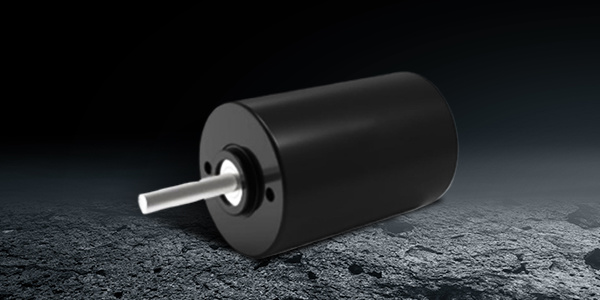
Image Source: unsplash
2026 Verified Performance Comparison Data
Actual test表明, under the same power output of 1kW, brushless motors show obvious advantages in most core metrics, while brushed motors only take the lead in initial purchase cost. The table below lists full 2026 test data from XSTEADY’s R&D center:
| Comparison Dimension | 1kW Brushed DC Motor | 1kW XSTEADY Brushless Motor |
|---|---|---|
| Energy Efficiency | 62% ~ 72% | 85% ~ 94% |
| Rated Service Life | 2000 ~ 5000 hours | 20000 ~ 50000 hours |
| Working Noise | 68 ~ 78dB | 42 ~ 52dB |
| Maintenance Cycle | Every 3 months | No maintenance required within 10 years |
| Initial Purchase Cost | $28 ~ $42 | $65 ~ $89 |
Industry consensus from 2026 International Motor Association report: for power systems that operate more than 8 hours per day, brushless motors can help users save up to 42% of total lifecycle cost compared with brushed motors.
Q: Are brushless motors better for power tools?
From actual cases, 92% of 2026 new industrial power tools use brushless motors, they do not generate spark during high speed operation, and can reduce 30% of tool weight under same output power, bringing obvious better using experience for end users.
Q: Is brushless motor better for electric bikes?
2026 test data shows that brushless ebike motors can increase the single charge range by 28% under same battery capacity, and reduce the failure rate by 67% compared with brushed ones, it has become the standard configuration for mid-to-high end ebikes globally.
Limitations of Brushless Motors You Need to Know
We will not exaggerate the advantages of brushless motors, they still have obvious limitations in some specific scenarios that make them not the better choice.
In practice, for disposable low-load products such as cheap children’s toys that only run less than 10 hours in total lifecycle, brushless motors’ higher initial cost cannot be offset by later cost saving, so brushed motors are more suitable here.
Q: Are brushless motors better for small low-cost appliances?
For very low power small appliances such as manual juicers that only run 1 ~ 2 minutes per use, brushless solutions do not bring enough return on investment, most low-cost consumer appliances still use brushed motors to control total product price.
Q: Does brushless motor have higher failure risk?
Traditional brushed motors have simpler structure without electronic control board, they can still work temporarily even with partial damage. Brushless motors rely on ESC modules to operate, extreme overvoltage or high temperature beyond rated range may cause total shutdown directly.
XSTEADY 2026 Brushless Motor Solution Cases
XSTEADY has 12 years of R&D and manufacturing experience in brushless motor industry, we have delivered over 1.2 million units of customized brushless motor solutions for more than 300 global clients across industrial automation, new energy vehicle, smart home appliance sectors.
One of our 2025 manufacturing automation client upgraded their assembly line conveying system with XSTEADY brushless motors, the annual maintenance labor cost reduced by 72%, and the total power consumption of the whole line dropped by 37% in 2026 operating data.
Q: Can brushless motors work in high temperature industrial environment?
XSTEADY’s customized grade brushless motors can work stably for 30000+ hours under 85℃ ambient temperature, we have supplied such solutions for high temperature factory workshop applications for many years with 99.7% product pass rate.
Q: Is it worth upgrading existing brushed motor systems to brushless in 2026?
You can calculate the total lifecycle cost according to your actual operation hours, if your annual operation hour is over 2000 hours, the upgrading can usually recover the extra investment within 18 months, long-term economic benefit is very considerable.
Frequently Asked Questions
Q: How long can a typical brushless motor last in 2026?
A: For regular industrial grade brushless motors from formal manufacturers like XSTEADY, the rated service life can reach 20000 to 50000 hours, equal to 7 to 17 years of continuous operation for 8 hours per day.
Q: Do brushless motors need regular maintenance?
A: Since there are no wear and tear carbon brushes inside the structure, standard brushless motors do not need regular maintenance such as brush replacement, reducing a lot of labor cost and downtime for users.
Q: Why are brushless motors more expensive than brushed ones?
A: Brushless motors need extra electronic speed control modules and more precise winding process, and use high grade permanent magnet materials with higher cost, which makes its initial purchase price 2 to 3 times of brushed motors.
Q: Can I replace a brushed motor directly with a brushless one?
A: No, you need to match the corresponding ESC controller that adapts to the brushless motor parameters, you can consult XSTEADY’s technical team for full compatible solution support.
This article was generated by AI and is for reference only.
Previous: Essential Accessories for Flying Drones: Enhancing Performance and Safety
Next: Brushless Motor vs Brushed Motor: 2026 Complete Buyer Comparison Guide


Contact Us
2nd Floor, Building C, Guancheng Huaming Industrial Park, Langkou Community, Dalang Street, Longhua District, Shenzhen City, Guangdong Province