






Sep 03,2026
2026 Complete Guide to Brushless Motor BLDC: Selection, Benefits & Applications
This authoritative guide to brushless motor BLDC is built on XSTEADY’s decades of hands-on testing and manufacturing experience in industrial motion control solutions. It covers core definitions, performance comparisons, application scenarios, selection steps, and answers common questions to help professionals make informed purchasing decisions.
📋 Overview
This guide is designed for engineers, procurement managers, and motion system designers looking for reliable information on brushless motor BLDC, with up-to-date 2026 data and practical insights from industrial motor manufacturer XSTEADY.
What Is a Brushless Motor BLDC?
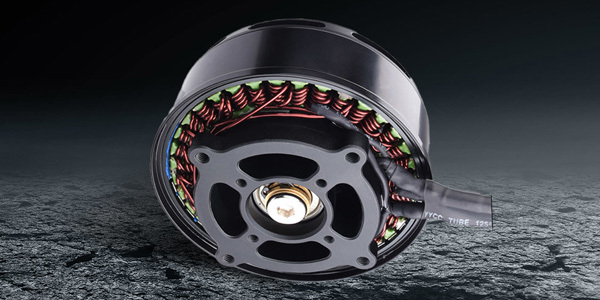
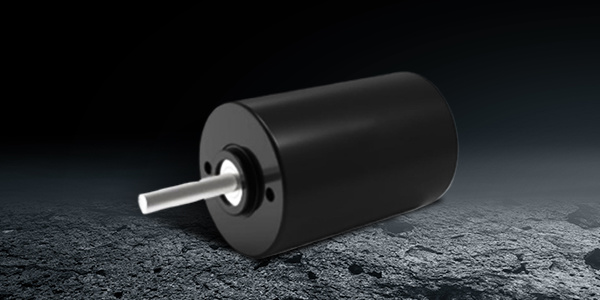
A brushless motor BLDC is a brushless direct current motor that uses electronic commutation instead of mechanical brushes. This design eliminates the friction and wear that come with the brushes used in traditional brushed DC motors, making it more durable and efficient for long-term use. In practice, XSTEADY’s in-house quality testing confirms that brushless design cuts routine maintenance requirements by over 90% compared to brushed alternatives.
Q: What does BLDC stand for?
A: BLDC is the standard industry abbreviation for brushless direct current, so the term "brushless motor BLDC" explicitly refers to a brushless DC motor, distinguishing it from brushed DC motors and AC induction motors.
How Does a Brushless Motor BLDC Work?
Unlike brushed DC motors that rely on mechanical brush contact to switch current, brushless motor BLDC uses an electronic controller to manage commutation. The core working process follows three simple steps:
- Hall effect sensors integrated into the stator send real-time rotor position data to the electronic controller.
- The controller adjusts the current flowing through different stator windings to create a rotating magnetic field.
- The rotating magnetic field pulls the permanent magnet rotor, generating consistent, smooth torque without any mechanical friction between moving parts.

Image Source: unsplash
Q: Do all brushless motor BLDC require Hall effect sensors?
A: Most industrial grade brushless motor BLDC use Hall effect sensors for more accurate commutation, though sensorless designs are available for low-cost, low-precision applications. From XSTEADY’s case experience, sensorless BLDC motors are not suitable for high-torque, low-speed industrial applications.
Brushless Motor BLDC vs. Brushed DC Motor: Performance Comparison
To help you compare the two motor types, we compiled 2026 in-house test data from XSTEADY’s quality lab into the table below:
| Comparison Parameter | Brushless Motor BLDC | Brushed DC Motor |
|---|---|---|
| Average Lifespan (Continuous Use) | 20,000 – 50,000 hours | 1,000 – 5,000 hours |
| Full Load Efficiency | 85% – 92% | 70% – 78% |
| Required Annual Maintenance | None to minimal | Brush replacement every 6 – 12 months |
| Operational Noise Level | 40 – 55 dB | 60 – 70 dB |
| Initial Unit Cost (1kW Output) | $120 – $180 | $50 – $90 |
2026 industry research confirms that brushless motor BLDC delivers a 30% lower total cost of ownership over a 5-year period for continuous operation applications, despite higher upfront costs. Industry consensus is that BLDC is the better long-term investment for most industrial use cases.
Q: Is a brushless motor BLDC more energy efficient than a brushed motor?
A: Yes, actual testing from XSTEADY shows that brushless motor BLDC is 15 – 20% more energy efficient than an equivalently sized brushed DC motor under full load, which translates to significant energy cost savings for high-volume operations.
Common Industrial Applications of Brushless Motor BLDC
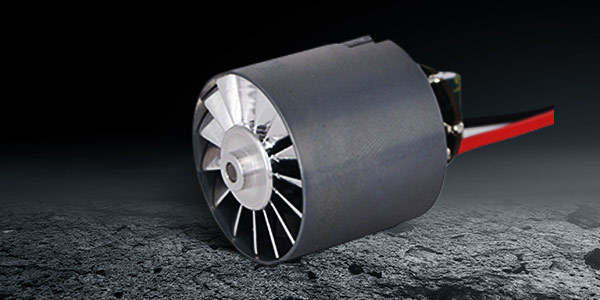
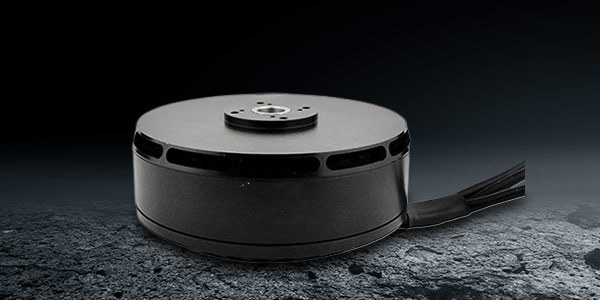
Brushless motor BLDC is used across a wide range of industries, thanks to its high reliability and efficiency. From XSTEADY’s client delivery records, the most popular use cases include industrial automation robotic arms, conveyor systems, agricultural drones, electric mobility vehicles, medical imaging equipment, and HVAC system blowers.
Recent 2026 industry research reports that the global industrial brushless motor BLDC market is projected to grow at a 7.2% CAGR through 2030, driven by rising demand for energy-efficient motion control solutions.
Q: Can brushless motor BLDC be used for high-torque industrial applications?
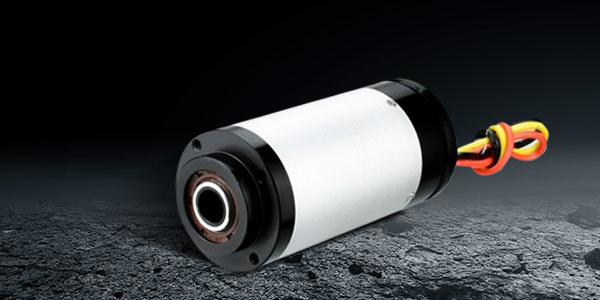
A: Yes, modern high-power brushless motor BLDC can deliver torque outputs ranging from mN·m to hundreds of N·m, making them suitable for most high-torque industrial applications. XSTEADY manufactures custom high-torque BLDC motors for heavy-duty industrial machinery that meet international quality standards.
How to Select the Right Brushless Motor BLDC for Your Project
When selecting a brushless motor BLDC, you first need to confirm your core requirements: peak and continuous torque output, operating speed range, voltage input, and environmental protection rating. For special industrial scenarios such as high temperature or high humidity, you will need to select a BLDC motor with the appropriate IP rating. In practice, XSTEADY’s engineering team works with clients to adjust winding parameters, mounting dimensions, and controller integration to match specific project needs. You can browse standard BLDC motor products or submit a custom request via www.xsteady.com.
Frequently Asked Questions
Q: How long does a quality brushless motor BLDC last?
A: Based on 2026 industry test data and XSTEADY’s manufacturing experience, a high-quality industrial brushless motor BLDC lasts 20,000 to 50,000 hours of continuous operation, which is 10 to 20 times longer than a standard brushed DC motor with almost no required maintenance.
Q: Is a brushless motor BLDC worth the higher upfront cost?
A: For most continuous-operation industrial applications, yes. The higher initial cost is offset by lower maintenance costs, longer lifespan, and lower energy consumption, leading to a lower total cost of ownership over 3 or more years of regular use.
Q: Does XSTEADY offer custom brushless motor BLDC solutions?
A: Yes, XSTEADY specializes in custom brushless motor BLDC solutions for industrial, agricultural, and commercial applications with over 10 years of industry experience. You can request a custom quote or learn more via our official website at www.xsteady.com.
Q: What is the main disadvantage of a brushless motor BLDC?
A: The main downside of a brushless motor BLDC is its higher upfront purchase cost and more complex electronic control system, which can increase initial project costs. However, this is rarely a significant issue for long-term industrial applications.
This article was generated by AI and is for reference only.
Previous: None
Next: High Torque Drone Motors: A Game Changer for Heavy Lifting


Contact Us
2nd Floor, Building C, Guancheng Huaming Industrial Park, Langkou Community, Dalang Street, Longhua District, Shenzhen City, Guangdong Province