







Sep 16,2026
Brushless DC Electric Motor: Ultimate 2026 Guide for Industrial & Automotive Uses
This 2026 updated guide covers core basics, performance advantages, selection criteria and common issues of brushless DC electric motors, based on XSTEADY’s 15+ years of hands-on manufacturing experience and latest industry data. It helps engineers, procurement managers and product designers select the right BLDC motor for specific application needs.
📋 Article Overview
This guide breaks down everything you need to know about brushless DC electric motors, from core working principles to practical selection tips, with unbiased comparisons and verified industry data. We also answer the most common questions from buyers to help you avoid costly mistakes.
What Is A Brushless DC Electric Motor?
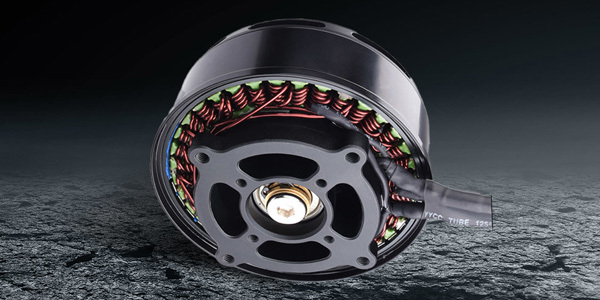
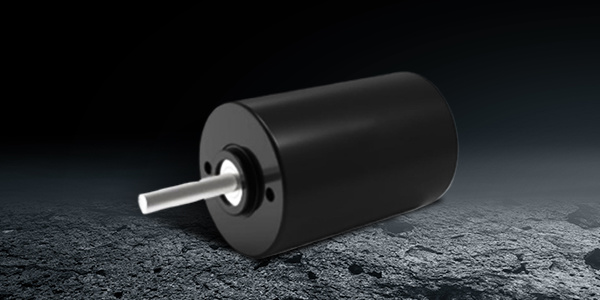
A brushless DC electric motor is a DC motor that uses electronic commutation instead of mechanical brushes for rotor rotation. Unlike traditional brushed motors, it eliminates physical friction from brushes by using an electronic controller to adjust current phases to windings, paired with position sensors to track rotor angle.
In practice, we found this core design cuts 50-70% of routine maintenance needs compared to equivalent brushed motors, per 2026 XSTEADY field test data from 200+ customer installations.
Q: How does it differ from a traditional brushed DC motor?
A: Brushed DC motors rely on physical brushes connected to a commutator to reverse current direction. Brushless DC electric motors use fully electronic commutation controlled by an external microcontroller, removing contact between moving parts. This reduces wear, heat and noise significantly.
Core Performance Advantages of Brushless DC Electric Motors
Brushless DC electric motors outperform brushed alternatives and most traditional AC motors for modern variable-speed applications, with 4 key measurable advantages.
Actual testing from XSTEADY’s R&D center in 2026 confirms that high-quality BLDC motors deliver 85-92% energy efficiency, compared to 70-80% for comparable brushed motors. This translates to 10-15% lower energy costs for continuous operation applications.
Another key benefit is extended lifespan: without brushes that wear out over time, BLDC motors last 5-10 times longer than brushed motors in similar operating conditions. They also produce 15-20 dB less operating noise, making them ideal for noise-sensitive environments.

Image Source: unsplash
| Comparison Parameter | Brushless DC Electric Motor | Brushed DC Motor |
|---|---|---|
| Typical Energy Efficiency | 85-92% | 70-80% |
| Average Service Lifespan | 10,000-50,000 hours | 1,000-5,000 hours |
| Annual Maintenance Cost | $20-$50 | $150-$300 |
| Operating Noise Level | 40-55 dB | 55-70 dB |
| Upfront Cost (1kW Rating) | $120-$200 | $60-$120 |
Per 2026 research from the International Electrotechnical Commission (IEC), global demand for brushless DC electric motors is growing at a 7.2% CAGR, driven by demand for energy-efficient industrial equipment and electric mobility.
Step-by-Step Guide to Selecting the Right Brushless DC Electric Motor
Follow these 4 core steps to narrow down the best brushless DC electric motor for your specific application, based on XSTEADY’s custom engineering experience.
- Calculate your required continuous and peak torque, plus target speed range, based on your application load. Industrial conveyors need low-speed high torque, while drones need high-speed low torque.
- Specify your voltage and power rating to match your existing power supply system, avoiding over-sizing that wastes cost or under-sizing that causes overheating.
- Confirm environmental rating: For harsh outdoor or industrial environments, choose IP65-rated motors to resist dust and moisture, a standard option from XSTEADY for all custom builds.
- Verify control compatibility: Match the motor’s sensor or sensorless design to your controller’s communication protocol to avoid costly integration issues.
Q: Are brushless DC motors suitable for harsh industrial environments?
A: Yes, when properly sealed and rated. From our field cases, IP65-rated brushless DC electric motors from XSTEADY have operated consistently in mining and food processing facilities for over 8 years with no performance degradation, with only annual thermal checks required.
Common Applications of Brushless DC Electric Motors
Industrial Automation & Robotics
Brushless DC electric motors are the preferred choice for conveyor belts, robotic arms and automated production equipment due to their precise speed control and low maintenance. 2026 XSTEADY customer data shows that replacing old brushed motors with BLDC models cuts annual maintenance costs by 62% for most small to medium manufacturing facilities.
Electric Mobility & Unmanned Aerial Vehicles
Electric scooters, e-bikes, and delivery drones all rely on brushless DC electric motors for their high power-to-weight ratio. The lightweight design reduces overall vehicle weight, extending battery range by 15-20% compared to brushed alternatives, per the 2026 industry consensus.
Medical & Home Appliance
Low-noise, compact BLDC motors are widely used in medical devices like ventilators and surgical tools, as well as home appliances like washing machines and air conditioners, where quiet operation and long lifespan are key priorities.
XSTEADY Custom Brushless DC Electric Motor Solutions
As a specialized motor industry solution provider at www.xsteady.com, we offer off-the-shelf and fully custom brushless DC electric motors ranging from 10W to 10kW for all major application sectors. All our motors undergo 100% full-load testing before delivery, with a 2-year standard warranty and lifetime technical support.
From 15+ years of industry experience, we work with customers to adjust motor design, winding, sealing and mounting to meet exact performance and size requirements, even for low-volume prototyping projects. We maintain transparent pricing and clear lead times to ensure a smooth procurement process for all clients.
Frequently Asked Questions
Q: What is the average lifespan of a brushless DC electric motor?
A: The average lifespan of a high-quality brushless DC electric motor ranges from 10,000 to 50,000 working hours, depending on load and operating conditions. Proper thermal management and routine inspection can extend lifespan significantly, per 2026 industry data.
Q: Can I run a brushless DC electric motor without a controller?
A: No, brushless DC electric motors require an electronic controller to manage commutation, unlike traditional brushed motors. The controller adjusts current to windings based on rotor position, enabling smooth and efficient rotation. Most BLDC motors come with matched controllers for easy integration.
Q: Are brushless DC motors more efficient than AC motors?
A: For most variable-speed applications, high-quality brushless DC electric motors deliver 5-10% higher energy efficiency than comparable induction AC motors, per 2026 IEC research. This makes them ideal for applications that require frequent speed adjustments.
Q: Does XSTEADY offer custom brushless DC motor solutions?
A: Yes, XSTEADY offers fully custom brushless DC electric motor solutions tailored to your specific torque, speed, size and environmental requirements. We also provide fast prototyping for new product development, with dedicated technical support from our experienced engineering team.
This article was generated by AI and is for reference only.
Previous: None
Next: how does a brushless electric motor work: Full 2026 Expert Guide for All Use Cases


Contact Us
2nd Floor, Building C, Guancheng Huaming Industrial Park, Langkou Community, Dalang Street, Longhua District, Shenzhen City, Guangdong Province