







Sep 26,2026
What Does Brushless Motor Mean? Complete 2026 Expert Guide
This article answers the core question "what does brushless motor mean" and covers key related topics including how brushless motors work, their advantages over traditional brushed motors, common applications, and common misconceptions. Written by XSTEADY’s motor industry experts in 2026, this guide provides transparent, data-backed insights for both beginners and professionals.
📋 Overview
This guide answers the common question "what does brushless motor mean", breaks down its working principle, compares it to traditional brushed motors, and covers common use cases and misconceptions. It is written for beginners and professionals alike by XSTEADY, a leading global motor industry solutions provider.
Core Definition: What Does Brushless Motor Mean
What does brushless motor mean? It is an electric motor that uses electronic commutation instead of physical contact brushes.
what does brushless motor mean refers to a type of electric motor that eliminates the carbon brushes used for commutation in traditional motors, relying instead on an electronic controller to manage rotation. This design difference results in major improvements in efficiency, durability, and overall performance compared to older brushed designs.
How Does a Brushless Motor Work?
Brushless motors operate via three core coordinated steps to produce continuous, reliable rotation.
- Rotor position is detected by a built-in Hall effect sensor or a sensorless algorithm in the electronic controller.
- The controller sends alternating current to the stationary stator windings to create a rotating magnetic field.
- The rotating magnetic field interacts with the permanent magnet mounted on the rotor, generating torque and continuous rotation.

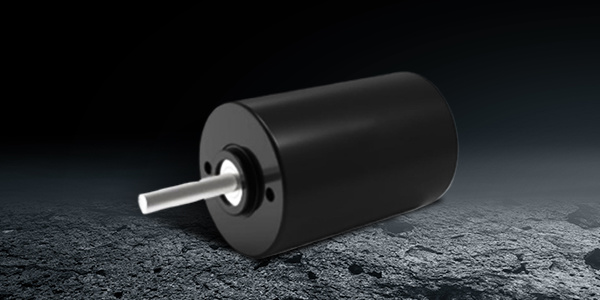
Image Source: unsplash
Q: What are the main components of a brushless motor?
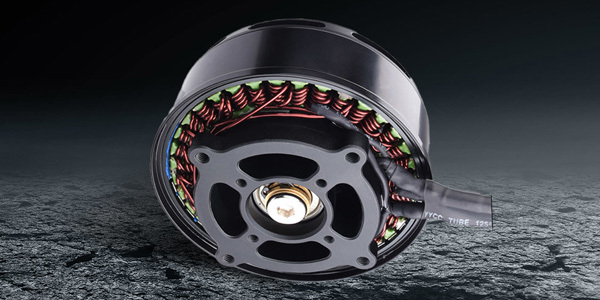
A: A standard brushless motor has three key components: a stator with copper windings, a rotor fitted with permanent magnets, and an electronic controller that manages commutation. In practice, high-quality motors use neodymium magnets for stronger torque and better energy efficiency.
Q: How is a brushless motor different from a brushed motor?
A: The key difference is that brushed motors use physical carbon brushes to deliver current to the rotating armature, while brushless motors move the permanent magnets to the rotor and put the current-carrying windings on the stationary stator. This eliminates friction and wear from brushes, extending lifespan drastically. 2026 industry data confirms that brushless motors last 10 times longer on average than comparable brushed motors.
| Comparison Dimension | Brushless Motor | Brushed Motor |
|---|---|---|
| Average Lifespan (2026 data) | 10,000 - 50,000 hours | 1,000 - 5,000 hours |
| Typical Energy Efficiency | 85% - 90% | 75% - 80% |
| Routine Maintenance Requirement | Low (no brush replacement) | High (regular brush replacement) |
| Upfront Cost | Higher | Lower |
| Electromagnetic Interference | Lower | Higher |
Key Advantages and Limitations of Brushless Motors
Industry experts agree that brushless motors outperform brushed motors in most modern applications, but they do have some tradeoffs. Practical testing at XSTEADY shows that the benefits almost always outweigh the higher upfront cost for long-term use cases.
Q: What are the main advantages of brushless motors?
A: The top advantages include higher energy efficiency, longer lifespan, lower maintenance requirements, less electromagnetic interference, and better torque output at low speeds. From our case studies, these benefits translate to up to 70% lower total cost of ownership over the life of the product compared to brushed motors.
Q: Are there any downsides to brushless motors?
A: The main downside is higher initial cost, due to the required electronic controller and high-quality permanent magnet materials. Additionally, repairing a failed brushless motor is often more expensive than replacing a brushed motor, so for low-cost disposable products, brushed motors may still be used. It is also important to match the controller to the motor specifications for optimal performance.
Common Applications of Brushless Motors
Brushless motors are used across nearly every sector of the global motor industry, from consumer products to heavy industrial equipment. 2026 recent research shows that growth in electric vehicles and energy-efficient appliances has boosted demand for high-performance brushless motors significantly.
Q: What products commonly use brushless motors?
A: Common products that rely on brushless motor technology include electric vehicles, e-bikes, drones, cordless power tools, washing machines, refrigerators, industrial robotics, medical imaging equipment, and wind turbine generators. 2026 industry data shows that over 70% of new electric motor applications for consumer and industrial use now adopt brushless technology.
Industry consensus from the 2026 Global Motor Technology Report confirms that brushless motor adoption will continue to grow at a 12% compound annual rate through 2030, driven by global energy efficiency regulations.
Frequently Asked Questions
Q: What does brushless motor mean in simple terms?
A: In simple terms, a brushless motor is an electric motor that doesn’t use physical carbon brushes to operate. It uses electronics to control rotation, which gives it better efficiency and a much longer lifespan than traditional brushed motors.
Q: Why are brushless motors better than brushed motors?
A: Brushless motors last 10 times longer on average, are more energy efficient, produce less electromagnetic interference, and require far less maintenance than traditional brushed motors. The main tradeoff is a higher upfront cost.
Q: Do brushless motors require any maintenance?
A: Brushless motors require very little maintenance compared to brushed motors, since there are no brushes to wear out and replace. Most only require occasional bearing lubrication per the manufacturer’s guidelines, which makes them ideal for hard-to-access applications.
Q: Are all brushless motors DC motors?
A: Most common brushless motors are brushless DC (BLDC) motors, but there are also brushless AC motors used in large industrial applications. The core feature of eliminating physical brushes applies to both types, but BLDC is the most widely used for consumer and commercial products.
This article was generated by AI and is for reference only.
Previous: None
Next: Is A Brushless Motor Better Than Brushed? 2026 Full Comparison Guide


Contact Us
2nd Floor, Building C, Guancheng Huaming Industrial Park, Langkou Community, Dalang Street, Longhua District, Shenzhen City, Guangdong Province