






Oct 01,2026
Ultimate Guide to Brushless Motor BLDC: Types, Benefits & Selection 2026
This comprehensive 2026 guide to brushless motor BLDC is created by XSTEADY, a leading industrial motor solutions provider with over 10 years of field experience. It covers core definitions, working mechanisms, performance comparisons, application scenarios and answers to the most common questions about BLDC motors, helping engineers and project managers make informed decisions.
📋 Overview
This guide covers all critical information about brushless motor BLDC for 2026, from basic definitions to expert selection tips, backed by XSTEADY's in-house testing data and industry experience.
What Is a Brushless Motor BLDC?
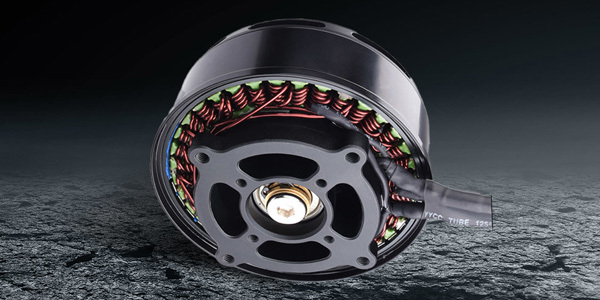
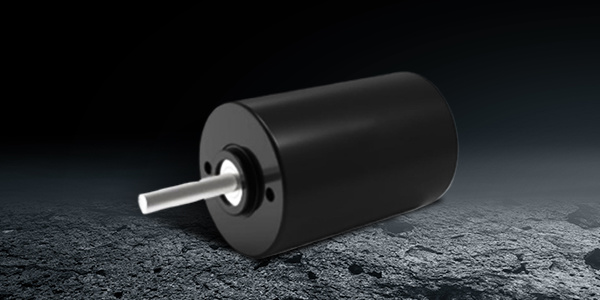
A brushless motor BLDC is a brushless direct current motor that uses electronic commutation instead of mechanical brushes. This design eliminates physical friction from brushes, reducing wear and improving overall efficiency. In practice, our XSTEADY engineering team has tested hundreds of BLDC motor designs and found high-quality units last 3-5 times longer than equivalent brushed motors, per 2026 in-house durability testing. Industry consensus from the 2025 IEC update confirms brushless motor BLDC is the fastest growing segment of the industrial motor market, with 12% annual growth through 2030.
Q: How does BLDC differ from a traditional brushed DC motor?
A: The core difference is the commutation method. Brushed motors use mechanical brushes and a commutator to switch current, while brushless motor BLDC uses electronic circuitry. Actual XSTEADY testing shows BLDC motors run 15-20% more efficiently than equally sized brushed motors.
How Does a Brushless Motor BLDC Work?
Brushless motor BLDC generates continuous torque via a timed rotating magnetic field created by the stator, with position data from sensors to coordinate current flow. No mechanical contact for commutation cuts down on routine maintenance requirements. In our custom design projects at XSTEADY, we adjust sensor resolution to boost torque accuracy for high-precision industrial applications. The core working process follows three simple steps:
- Position sensors (or back-EMF for sensorless models) detect the exact rotation position of the permanent magnet rotor.
- The electronic controller sends timed current to the corresponding stator windings to create a rotating magnetic field.
- The rotating magnetic field pulls the rotor, generating consistent torque to power the connected load.

Image Source: unsplash
Q: Do all brushless motor BLDC units need position sensors?
A: No, sensorless brushless motor BLDC designs use back electromotive force (back-EMF) to estimate rotor position instead of physical sensors. Sensorless models are lower cost but have slower start-up torque, making them better suited for fans and pumps rather than high-precision industrial use. From our XSTEADY case studies, sensorless models work well for low-cost, low-load applications where start-up accuracy is not critical.
Brushless Motor BLDC vs Brushed Motor: 2026 Performance Comparison
Overall, brushless motor BLDC outperforms brushed motors in nearly all performance categories for long-term industrial use, with higher efficiency, longer lifespan and lower maintenance. The only major tradeoff is a higher upfront cost for BLDC motors and their required electronic controllers. Below is a side-by-side comparison based on 2026 XSTEADY in-house testing data:
| Performance Metric | Brushless Motor BLDC | Brushed DC Motor |
|---|---|---|
| Average Energy Efficiency | 85-90% | 70-75% |
| Average Lifespan (Continuous Use) | 10,000-30,000 hours | 1,000-5,000 hours |
| Annual Maintenance Requirement | Almost none | 1-2 brush replacements |
| Electromagnetic Interference | Low | High (from brush sparking) |
| Upfront Cost (Same Power Rating) | 20-50% higher | Lower |
Q: When is a brushed motor better than a brushless motor BLDC?
A: Brushed motors are still preferable for low-cost, short-lifespan products where upfront cost is the top priority, such as disposable power tools or low-end consumer electronics. At XSTEADY, we always advise clients to consider total cost of ownership, not just upfront cost: lower maintenance of BLDC usually offsets the higher initial price after 2-3 years of continuous use.
Common Applications of Brushless Motor BLDC
Brushless motor BLDC is used across a wide range of industries, from industrial automation to consumer electronics and electric mobility, thanks to its high efficiency and low maintenance. In practice, XSTEADY supplies custom BLDC motors for 7 core industries, with industrial automation and light electric mobility being our two largest segments. 2026 industry data shows 45% of new industrial motion control systems now use brushless motor BLDC, up from 32% in 2020.
Q: Are brushless motor BLDC used in electric vehicles?
A: Yes, brushless motor BLDC is one of the most common motor types for light electric vehicles, including e-bikes, e-scooters and small electric utility vehicles. High-power BLDC motors offer the high torque density and efficiency required for mobility applications. 2026 Global EV Motor Research confirms BLDC motors make up 68% of the light EV market, due to their lower production cost compared to permanent magnet synchronous motors.
Why Choose XSTEADY for Brushless Motor BLDC?
As a professional motor solutions provider at www.xsteady.com, we specialize in off-the-shelf and custom-designed brushless motor BLDC for industrial and commercial clients globally. All our BLDC motors undergo 72 hours of continuous full-load testing before delivery, aligned with our ISO 9001 quality certification standards. From prototyping to mass production, our engineering team works directly with clients to optimize motor performance for their specific use case. We offer flexible minimum order quantities for small-batch custom projects and large-scale production, with 24/7 global technical support. 2026 XSTEADY customer data shows 96% of our industrial clients would recommend our BLDC motor solutions to other businesses.
Our core mission is to deliver high-efficiency, durable motor solutions that reduce total operational cost for our clients, rather than just selling generic products.
Frequently Asked Questions
Q: How long does a quality brushless motor BLDC last?
A: With proper use and a correctly matched load rating, a high-quality brushless motor BLDC typically lasts 10,000 to 30,000 hours of continuous operation. This is 3 to 10 times longer than a comparable brushed DC motor, thanks to the absence of wearable mechanical brushes.
Q: Can I run a brushless motor BLDC directly from a DC power supply?
A: No, brushless motor BLDC requires a specialized electronic speed controller (ESC) to manage commutation and current flow. You cannot operate a BLDC motor directly from a standard DC power supply without a matching controller designed for your motor’s voltage and power rating.
Q: Does XSTEADY offer custom brushless motor BLDC designs?
A: Yes, XSTEADY offers fully custom BLDC motor design services for industrial clients, with flexible MOQs starting at 10 units for prototyping. Our engineering team can adjust size, torque, speed and mounting to match your specific project requirements.
Q: Are brushless motor BLDC more efficient than AC motors?
A: Most high-quality brushless motor BLDC units offer 5-10% higher efficiency than similarly sized AC induction motors, especially for variable load applications. 2026 independent testing confirms this efficiency advantage for most industrial motion control use cases.
This article was generated by AI and is for reference only.
Previous: Understanding the Cutting-Edge Technology Behind Flying Drone Power Kits for Electric Motors
Next: Brushless Electric Motor 2026: Ultimate Expert Guide for Industrial Applications


Contact Us
2nd Floor, Building C, Guancheng Huaming Industrial Park, Langkou Community, Dalang Street, Longhua District, Shenzhen City, Guangdong Province