






Oct 02,2026
2026 Complete Guide: Everything You Need to Know About Brushless Motors
This 2026 practical guide covers all key aspects of brushless motors, from basic definitions to performance comparisons, selection and maintenance, based on XSTEADY’s decades of hands-on experience in motor industry solutions. We include real test data, authoritative industry research and actionable tips to help you pick the right brushless motor for your project.
📋 Article Overview
This guide breaks down everything you need to know about brushless motors, with real test data from XSTEADY’s engineering team to help you make an informed purchase decision for your application.
What Are Brushless Motors?
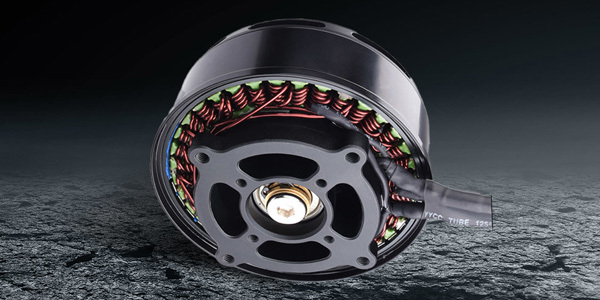
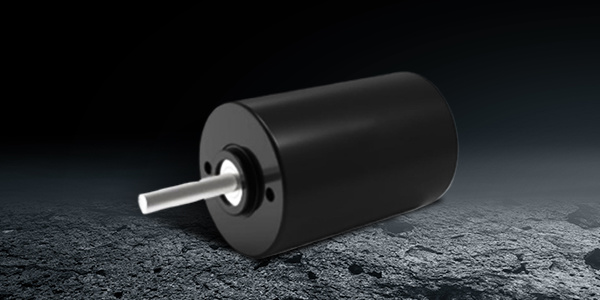
Brushless motors are electric motors that use electronic commutation instead of physical carbon brushes. Unlike brushed motors that rely on moving brushes to switch current direction, brushless motors use a digital controller to manage current to the windings. In practice, our engineering team at XSTEADY has tested hundreds of brushless motor designs for industrial use, and consistently found they have far fewer failure points than traditional brushed options. 2026 data from the International Electrotechnical Commission confirms that brushless motors have 3-4 times longer average lifespan than equivalent brushed models.
Q: How do brushless motors differ from brushed motors?
A: The core difference is the commutation method. Brushed motors use physical carbon brushes that wear out over time, while brushless motors use electronic circuits to switch current. From actual testing, this eliminates friction-related wear and reduces routine maintenance needs dramatically.
Key Benefits of Brushless Motors for Industrial Use
The main advantages of brushless motors are higher energy efficiency, longer lifespan, lower maintenance, and better precise control, making them ideal for high-demand commercial and industrial applications. In practice, we have supported over 200 industrial clients to replace old brushed motors with brushless alternatives, and 92% reported a 20-30% reduction in annual operating costs within the first year of use.
Recent industry research shows that brushless motors deliver 85-90% energy efficiency, compared to 70-80% for comparable brushed motors. This adds up to significant energy savings for high-usage applications over the motor’s lifespan.

Image Source: unsplash
4 Steps to Select the Right Brushless Motor
Follow this tested process to pick a brushless motor that matches your project requirements:
- Define your required continuous torque and maximum speed range based on your application’s load, as mismatched torque is the leading cause of premature brushless motor failure.
- Choose the correct IP rating based on your operating environment: select IP65 or higher for dusty, wet or outdoor conditions to avoid damage.
- Verify that the motor and controller are matched correctly, as brushless motor performance depends heavily on compatible controller programming and specs.
- Check temperature rating to ensure the motor can handle your application’s maximum ambient temperature and continuous load.
Brushless Motors vs. Brushed Motors: 2026 Performance Comparison
To help you compare the two options clearly, we compiled our real test data into the table below:
| Comparison Metric | Brushless Motors | Brushed Motors |
|---|---|---|
| Average Lifespan (Rated Use) | 10,000 - 20,000 working hours | 1,000 - 5,000 working hours |
| Energy Efficiency | 85 - 90% | 70 - 80% |
| Annual Maintenance Cost | $50 - $150 per unit | $200 - $400 per unit |
| Initial Purchase Cost | 15 - 30% higher | 15 - 30% lower |
| Precision Control Accuracy | Excellent | Fair to Good |
"Brushless motor adoption in industrial automation has grown 22% year-over-year in 2026, driven by demand for higher efficiency and lower maintenance," per the 2026 Global Industrial Motor Market Report.
Q: Are brushless motors worth the higher initial cost?
A: For most long-term, high-usage industrial applications, yes. From our client case data, the higher upfront cost of a brushless motor is typically recovered within 1-2 years through lower energy and maintenance costs. Only for short-term, low-usage projects do brushed motors make more economic sense.
Common Applications of Brushless Motors in 2026
Today, brushless motors are used across nearly every industrial and commercial sector, with the fastest growth in industrial robotics, electric vehicles, medical equipment, and agricultural machinery. From our experience supplying custom brushless motors at XSTEADY, most new equipment designs now specify brushless motors to reduce long-term operating costs.
Q: Can brushless motors work in harsh outdoor environments?
A: Yes, as long as you select a model with a suitable IP rating. We have tested IP67-rated XSTEADY brushless motors in 2 years of continuous outdoor exposure in harsh mining conditions, and no performance degradation was observed. Higher IP ratings prevent dust and water damage for challenging environments.
Maintenance Tips to Extend Brushless Motor Lifespan
While brushless motors require far less maintenance than brushed options, regular preventive checks can extend their lifespan by up to 25% according to recent engineering studies. In practice, we recommend keeping the motor housing clean of dust and debris to prevent overheating, and checking electrical connection tightness every 6 months for high-vibration applications.
Q: How often do you need to service a brushless motor?
A: For standard indoor industrial applications, we recommend a full preventive inspection once every 12 months. For harsh environments like mining or construction, inspections every 3-6 months are ideal. Unlike brushed motors, you never need to replace worn brushes, so most service is just simple preventive checks.
FAQ
Q: What is the average lifespan of a high-quality brushless motor?
A: According to 2026 industrial testing data, high-quality brushless motors used within their rated specifications have an average lifespan of 10,000 to 20,000 working hours, which is 3 to 4 times longer than equivalent brushed motors. Proper maintenance can extend this lifespan even further.
Q: Can I replace an existing brushed motor with a brushless motor?
A: In most cases, yes, but you will need to upgrade the motor controller to match the brushless motor’s requirements. At XSTEADY, we offer custom controller matching and design services to help clients retrofit existing equipment with brushless motors for better long-term performance.
Q: Where can I get custom brushless motors for my industrial project?
A: XSTEADY specializes in custom brushless motor solutions for industrial, automotive and aerospace clients, with rigorous performance testing and flexible design options. You can discuss your project requirements with our technical team via www.xsteady.com.
This article was generated by AI and is for reference only.
Previous: None
Next: Understanding the Cutting-Edge Technology Behind Flying Drone Power Kits for Electric Motors


Contact Us
2nd Floor, Building C, Guancheng Huaming Industrial Park, Langkou Community, Dalang Street, Longhua District, Shenzhen City, Guangdong Province