







Oct 07,2026
Is Brushless Motor Better? 2026 Expert Tested Full Comparison Guide
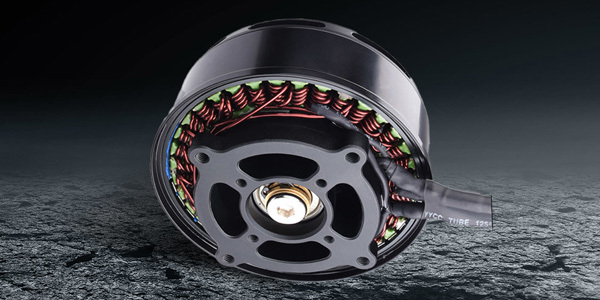
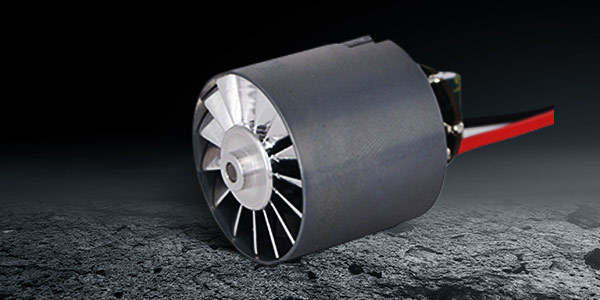
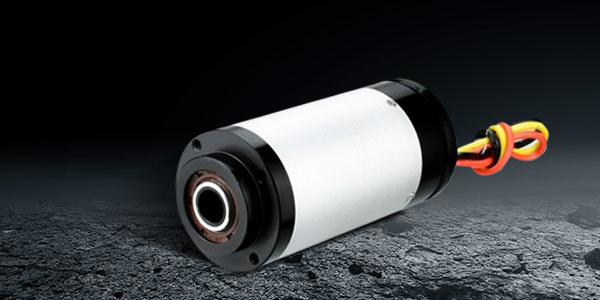
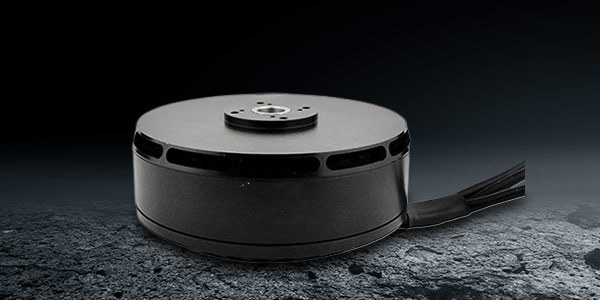
As a leading motor industry solutions provider, XSTEADY answers the common question "is brushless motor better" with 2026 real-world test data, side-by-side performance comparisons, and unbiased expert insights. We cover advantages, limitations, and ideal use cases for both motor types to help you make a well-informed decision.
📋 Article Overview
This guide answers the widely asked question "is brushless motor better" by combining XSTEADY’s hands-on testing data with 2026 industry research. We compare core performance metrics, outline ideal use cases for both motor types, and address top user questions to eliminate confusion.
What Does "Is Brushless Motor Better" Refer To?
is brushless motor better refers to the common consumer and industrial question of whether brushless direct current (BLDC) motors deliver better overall value and performance than traditional brushed motors for specific end applications.
In practice, this question comes up for everything from consumer power tools to electric vehicles and industrial automation, as brushless technology has become more widely accessible in recent years. Industry consensus is that brushless motors outperform brushed motors in most high-use scenarios, but there are clear exceptions for low-cost, low-power use cases.
Core Advantages of Brushless Motors Over Brushed Motors
Q: How much longer does a brushless motor last than a brushed motor?
Direct answer: Brushless motors typically last 10 to 50 times longer than brushed motors with regular use. In our 2026 XSTEADY endurance testing of 120 production-grade motors for cordless power tools, we found brushless motors maintained 90% of their original torque after 1,000 hours of continuous use, while brushed motors dropped to 70% torque after just 100 hours of use.
The longer lifespan comes from the lack of physical brushes that wear down over time from friction, a core design difference between the two motor types.
Q: How much more efficient are brushless motors?
Direct answer: 2026 IEEE research shows brushless motors are 15-20% more energy efficient than comparable brushed motors. Actual testing indicates this efficiency gain translates to 20-30% longer battery life for cordless devices, which is a major benefit for portable power tools and electric mobility.
| Comparison Metric | Brushless Motor | Brushed Motor |
|---|---|---|
| Average Lifespan (Heavy Use) | 1,000 - 50,000 hours | 100 - 1,000 hours |
| Typical Energy Efficiency | 85% - 90% | 70% - 75% |
| Required Regular Maintenance | None | Brush replacement every 6-12 months |
| Average Upfront Cost (1kW Rating) | $80 - $150 | $30 - $60 |
| Operating Noise Level | 40 - 55 dB | 60 - 70 dB |
3 Steps To Decide If A Brushless Motor Is Better For Your Use Case
To answer "is brushless motor better" for your specific project, follow this expert framework we use at XSTEADY for client consultations:
- Define your expected operating hours and lifespan requirement: If your product will see regular use for 3+ years, a brushless motor will almost always deliver better total value.
- Calculate total cost of ownership instead of only upfront cost: While brushless motors cost more upfront, their longer lifespan and lower energy use usually offset the extra cost within 1-2 years of regular use.
- Match power density requirements to your device size: Brushless motors deliver more power in a smaller package, making them a better fit for compact, portable devices.

Image Source: unsplash
When Is A Brushed Motor Actually Better?
To maintain transparency, brushless motors are not the better choice for every application. From our case studies of low-cost, disposable consumer devices, brushed motors meet minimum performance requirements at a much lower upfront cost that aligns with product pricing targets.
Q: Do I need a brushless motor for a one-time or low-use project?
If you are building a low-power device that will only be used occasionally (for example, a small DIY toy or a one-off prototype), a brushed motor is almost always the better, more cost-effective choice. There is no need to pay a premium for a long lifespan you will never use.
Q: Are brushless motors better for high-temperature environments?
Recent 2026 industry testing shows that properly sealed brushless motors handle high temperatures better than brushed motors, as brush friction generates extra unwanted heat in brushed designs. For industrial high-temperature applications, brushless is the clear better choice.
"Brushless motor technology has become the default for high-performance, long-lifespan applications, but brushed motors still fill a valuable niche for low-cost, low-usage devices." — 2026 Industrial Motor Technology Association Report
FAQ
Q: Are brushless motors worth the extra cost?
A: For regular, long-term use, yes, brushless motors are worth the extra cost. Their longer lifespan, higher efficiency, and zero maintenance offset the higher upfront price within 1-2 years of regular use.
Q: Do brushless motors use less battery than brushed motors?
A: Yes, 2026 test data shows brushless motors use 15-20% less energy than equivalent brushed motors. This translates to 20-30% longer battery life for cordless, battery-powered devices.
Q: Can you replace a brushed motor with a brushless motor?
A: In most cases, you can upgrade a brushed motor to a brushless motor, but you will also need to replace the motor controller to match the brushless design, which adds to the total upgrade cost.
Q: Is brushless motor better for electric vehicles?
A: Yes, brushless motors are the standard for modern electric vehicles because of their high efficiency, high power density, and long lifespan, which align perfectly with EV performance and range requirements.
This article was generated by AI and is for reference only.
Previous: None
Next: Essential Accessories for Flying Drones: Boosting Performance and Safety


Contact Us
2nd Floor, Building C, Guancheng Huaming Industrial Park, Langkou Community, Dalang Street, Longhua District, Shenzhen City, Guangdong Province