







Jan 25,2026
Understanding Drone Motors: The Heart of Modern Aerial Technology
In the rapidly advancing world of drone technology, drone motors play a pivotal role in ensuring the optimal performance of these unmanned aerial vehicles (UAVs). As a critical component in the propulsion system, the choice of motor directly affects not only the efficiency of flight but also the payload capacity, maneuverability, and overall reliability of the drone. Drone motors can be classi
In the rapidly advancing world of drone technology, drone motors play a pivotal role in ensuring the optimal performance of these unmanned aerial vehicles (UAVs). As a critical component in the propulsion system, the choice of motor directly affects not only the efficiency of flight but also the payload capacity, maneuverability, and overall reliability of the drone.
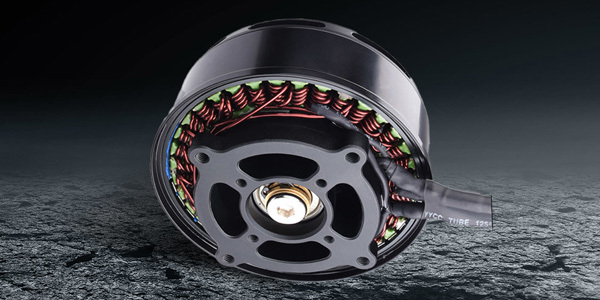
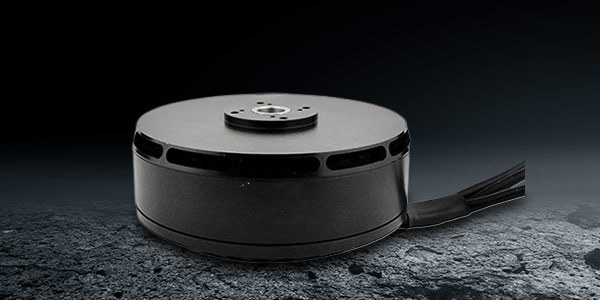
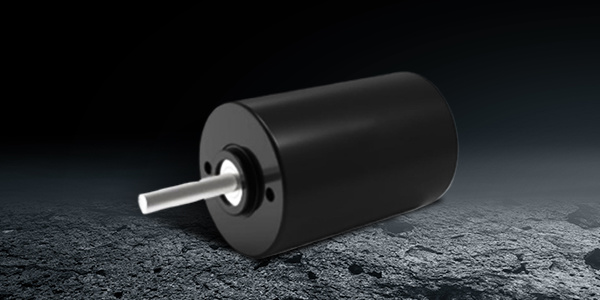
Drone motors can be classified primarily into two categories: brushed and brushless motors. Brushed motors are simpler in design and generally more affordable, making them suitable for entry-level drones. However, their efficiency tends to diminish over time due to wear and tear on the brushes. On the other hand, brushless motors, which are more complex, offer higher efficiency and longer lifespans. They are commonly found in high-performance drones used for professional applications, such as aerial photography, surveying, and agricultural monitoring.
The performance of a drone motor is quantified by various parameters, including thrust, RPM (revolutions per minute), and efficiency. Thrust is a crucial factor, as it determines the drone's ability to lift weight. The RPM indicates how fast the motor spins, influencing the drone's speed and agility. Efficiency is vital for extending flight times, particularly for commercial drones that require prolonged operation. An understanding of these parameters is essential for professionals selecting the right drone motors for specific tasks or applications.
Moreover, advancements in technology have led to significant innovations in drone motor design. Manufacturers are continuously working to enhance motor efficiency, reduce weight, and improve thermal management. New materials, such as lightweight composites and advanced magnets, are being utilized to optimize performance. Additionally, developments in electronic speed controllers (ESCs) allow for better motor control and responsiveness, enabling drones to execute complex maneuvers with precision.
When selecting drone motors, it's essential to consider the specific requirements of the intended application. Factors such as the weight of the drone, battery capacity, and desired flight duration will influence the choice of motor. Professionals must also be aware of the compatibility between the motor and other components like propellers and batteries to ensure seamless integration and optimal performance.
In summary, drone motors are the backbone of modern UAV technology, influencing a drone's efficiency, performance, and operational capabilities. Understanding the differences between motor types and their respective attributes is crucial for professionals looking to leverage drone technology effectively. As the industry continues to evolve, staying informed about the latest advancements in drone motor technology will be essential for optimizing aerial operations across various sectors.
Previous: Innovative Solutions: How Drone Power Kits Revolutionize Electric Work
Next: Essential Features to Look for in High Torque Drone Motors


Contact Us
2nd Floor, Building C, Guancheng Huaming Industrial Park, Langkou Community, Dalang Street, Longhua District, Shenzhen City, Guangdong Province