







Mar 18,2026
From Concept to Reality: The Evolution of Drone Power Systems
The Comprehensive Guide to the Evolution of Drone Power Systems Table of Contents 1. Introduction to Drone Power Systems 2. The Historical Context of Drone Technology 2.1 Early Beginnings of Drone Power Solutions 2.2 Milestones in Drone Power Development 3. Key Components of Drone Power Systems 3.1 Battery Technologies and Their Impact 3.2 The Role of Power Electronics in Drones
The Comprehensive Guide to the Evolution of Drone Power Systems
Table of Contents
1. Introduction to Drone Power Systems
2. The Historical Context of Drone Technology
2.1 Early Beginnings of Drone Power Solutions
2.2 Milestones in Drone Power Development
3. Key Components of Drone Power Systems
3.1 Battery Technologies and Their Impact
3.2 The Role of Power Electronics in Drones
4. Innovations in Drone Power Systems
4.1 Advancements in Battery Efficiency
4.2 Emerging Fuel Cell Technologies
5. The Future of Drone Power Systems
5.1 Sustainable Energy Solutions
5.2 Integrating AI and IoT for Enhanced Performance
6. Challenges Facing Drone Power Systems
6.1 Regulatory Hurdles
6.2 Technical Limitations
7. Case Studies: Successful Drone Power Implementations
8. FAQs about Drone Power Systems
9. Conclusion
1. Introduction to Drone Power Systems
The evolution of drone power systems signifies a pivotal advancement in how we harness energy for aerial vehicles. Drones have transitioned from mere concepts to indispensable tools across various industries, including agriculture, logistics, and surveillance. This transformation is primarily powered by innovations in energy systems, which have fundamentally altered the performance, efficiency, and usability of drones.
2. The Historical Context of Drone Technology
Understanding the evolution of drone power systems requires a look at the historical context of drone technology itself.
2.1 Early Beginnings of Drone Power Solutions
The journey began in the mid-20th century when drones were primarily used for military reconnaissance. These early models relied on simple battery systems that provided limited flight time and range. Such primitive power systems acted as a catalyst for research and development aimed at enhancing drone performance.
2.2 Milestones in Drone Power Development
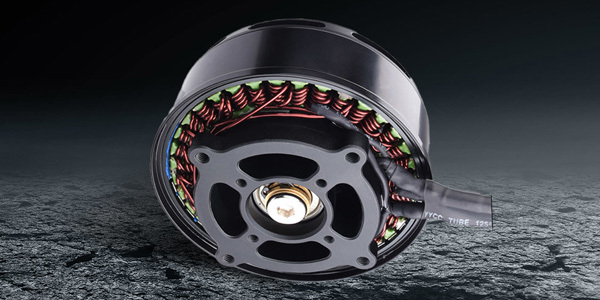
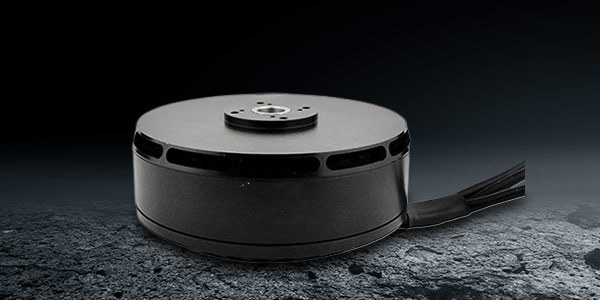
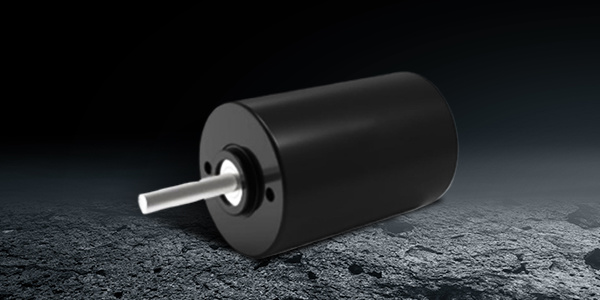
Throughout the years, significant milestones emerged, including the introduction of lithium-polymer (LiPo) batteries in the early 2000s. This innovation dramatically increased energy density, allowing drones to fly longer and carry heavier payloads. The integration of brushless motors further enhanced efficiency, marking a significant leap in drone capability.
3. Key Components of Drone Power Systems
Several critical components play a significant role in the performance of drone power systems.
3.1 Battery Technologies and Their Impact
Batteries serve as the heart of any drone's power system. Recent advancements in battery technology, such as lithium-sulfur and solid-state batteries, promise even lighter weight and higher energy density. These innovations are crucial for extending flight times and reducing operational costs.
3.2 The Role of Power Electronics in Drones
Power electronics manage the distribution and conversion of electrical energy within the drone. High-efficiency electronic speed controllers (ESCs) and advanced power management systems are vital in optimizing power utilization, thus enhancing overall drone performance.
4. Innovations in Drone Power Systems
The landscape of drone power systems is continuously evolving, driven by technological innovation.
4.1 Advancements in Battery Efficiency
Recent research into battery materials and chemistry has led to significant improvements in efficiency. For instance, the exploration of nanotechnology in battery design has resulted in lighter, more efficient batteries that can charge faster and last longer.
4.2 Emerging Fuel Cell Technologies
Fuel cells are gaining traction as a viable alternative to traditional batteries. Hydrogen fuel cells, in particular, offer a longer range and quicker refueling times, making them an attractive option for commercial drones used in delivery and transportation sectors.
5. The Future of Drone Power Systems
The future promises exciting developments in drone power systems that can redefine the possibilities of aerial technology.
5.1 Sustainable Energy Solutions
As the world shifts toward sustainability, drone manufacturers are exploring solar power and hybrid systems. Integrating solar panels can empower drones to recharge during flight, greatly extending their operational capabilities without relying solely on ground-based energy sources.
5.2 Integrating AI and IoT for Enhanced Performance
Incorporating artificial intelligence (AI) and the Internet of Things (IoT) into drone power systems opens new avenues for efficiency. Smart energy management systems can analyze flight patterns and adjust power consumption in real-time, optimizing energy use and prolonging flight durations.
6. Challenges Facing Drone Power Systems
Despite significant advancements, several challenges continue to impede the widespread adoption of advanced drone power systems.
6.1 Regulatory Hurdles
As drones become more integrated into everyday life, regulatory frameworks must evolve. Governments must address safety, privacy, and airspace management issues to facilitate the safe operation of drones powered by innovative energy solutions.
6.2 Technical Limitations
Technical challenges, such as battery weight and energy density, persist. Developing lighter, more efficient batteries remains a focus of research, as the balance between power and weight is crucial for drone performance.
7. Case Studies: Successful Drone Power Implementations
Examining successful implementations can shed light on the effectiveness of advanced drone power systems. Several companies have pioneered the use of innovative power solutions, showcasing the potential benefits. For instance, companies utilizing solar-powered drones for agricultural surveillance have reported significantly increased operational times and reduced costs. Similarly, businesses employing fuel cell drones for long-range deliveries are redefining logistical standards.
8. FAQs about Drone Power Systems
**Q1: What types of batteries are commonly used in drones?**
A1: Lithium-polymer (LiPo) batteries are the most common due to their lightweight and high energy density. Other options include lithium-ion, solid-state, and emerging lithium-sulfur batteries.
**Q2: How can fuel cells benefit drone operations?**
A2: Fuel cells can provide extended flight times and faster refueling compared to traditional batteries, making them ideal for applications requiring long-range flights.
**Q3: What is the role of power electronics in drones?**
A3: Power electronics manage the electrical systems within a drone, ensuring efficient power distribution and optimizing energy usage during flight.
**Q4: Are there sustainable options for drone power systems?**
A4: Yes, hybrid systems combining traditional batteries with solar panels or fuel cells are being developed to enhance sustainability in drone operations.
**Q5: What are the main challenges faced by drone power systems today?**
A5: Key challenges include regulatory hurdles, technical limitations regarding battery weight and energy density, and the need for advanced energy management solutions.
9. Conclusion
The evolution of drone power systems illustrates the remarkable advancements that can transform technology and its applications. From early rudimentary designs to today's sophisticated energy solutions, there has been an undeniable revolution in how we power drones. As we look to the future, the integration of sustainable energy sources and cutting-edge technologies will continue to enhance drone capabilities, paving the way for innovative applications across diverse industries. The ongoing research and development in this area suggest that the journey from concept to reality will keep evolving, propelling drones into new realms of possibility.
Previous: None
Next: The Essential Guide to Flying Drone Accessories for Electric Motor Enthusiasts


Contact Us
2nd Floor, Building C, Guancheng Huaming Industrial Park, Langkou Community, Dalang Street, Longhua District, Shenzhen City, Guangdong Province