







Mar 12,2026
Flying Drone Power Kits: A Game Changer for Special Motor Technologies
Flying Drone Power Kits: A Game Changer for Special Motor Technologies Table of Contents 1. Introduction to Flying Drone Power Kits 2. Understanding Special Motor Technologies 3. Benefits of Using Drone Power Kits 4. How Drone Power Kits Work 5. Applications of Drone Power Kits in Special Motors 6. Challenges and Solutions in Implementing Drone Power Kits 7. The Future of Drone Powe
Flying Drone Power Kits: A Game Changer for Special Motor Technologies
Table of Contents
- 1. Introduction to Flying Drone Power Kits
- 2. Understanding Special Motor Technologies
- 3. Benefits of Using Drone Power Kits
- 4. How Drone Power Kits Work
- 5. Applications of Drone Power Kits in Special Motors
- 6. Challenges and Solutions in Implementing Drone Power Kits
- 7. The Future of Drone Power Technology
- 8. Conclusion
- 9. FAQs
1. Introduction to Flying Drone Power Kits
In recent years, **flying drone power kits** have emerged as a transformative force in the realm of **special motor technologies**. These innovative systems harness the power of advanced battery technology and lightweight materials, offering unique advantages over traditional power sources. As industries evolve and demand for efficient, flexible energy solutions increases, the integration of drone power kits into special motor applications is not just a trend; it signifies a paradigm shift.
2. Understanding Special Motor Technologies
Special motor technologies encompass various advanced electrical systems designed for specific applications, such as robotics, automation, and transportation. These motors are distinguished by their unique configurations, materials, and functionalities that enable them to perform under demanding conditions.
The most common types of special motors include:
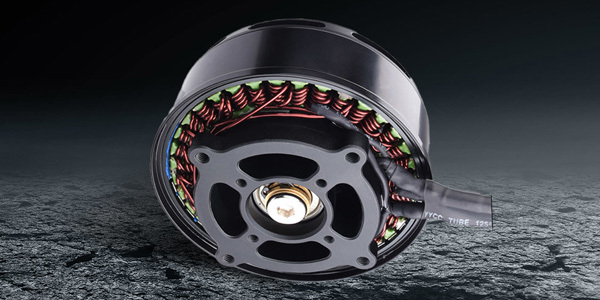
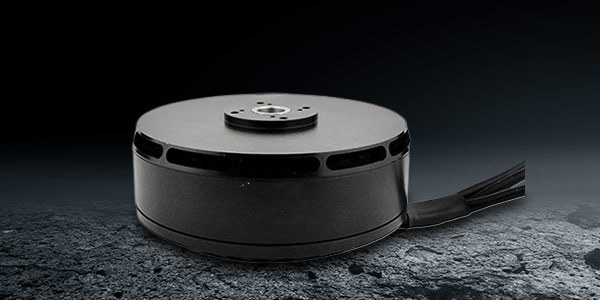
- Brushless DC Motors: Known for their efficiency and longevity.
- Stepper Motors: Ideal for precise position control, often used in robotics.
- Servo Motors: Used for control in robotics and automated systems.
As these technologies advance, the need for reliable and efficient power sources becomes increasingly critical. This is where **drone power kits** come into play.
3. Benefits of Using Drone Power Kits
The adoption of flying drone power kits offers several compelling benefits, making them a game changer for special motor technologies.
3.1 Enhanced Efficiency
Drone power kits are designed to deliver optimal energy efficiency, reducing energy waste compared to traditional power sources. By utilizing state-of-the-art battery technology, these kits can provide sustained power even in the most demanding conditions.
3.2 Portability and Flexibility
One of the standout features of drone power kits is their portability. These kits can be easily transported, enabling quick deployment in various environments. This flexibility allows industries to adapt to changing demands and conditions seamlessly.
3.3 Reduced Operational Costs
With increased efficiency and reduced energy waste, organizations can significantly lower their operational costs. Furthermore, the longevity of drone power kits means less frequent replacements, contributing to additional savings in maintenance and replacement costs.
3.4 Environmental Sustainability
As industries strive for greener solutions, drone power kits offer a more sustainable alternative. By utilizing renewable energy sources and optimizing energy consumption, these kits contribute to a reduction in carbon footprints.
4. How Drone Power Kits Work
Flying drone power kits integrate advanced battery technologies, lightweight construction, and intelligent power management systems. Understanding how these components work together can clarify their role in enhancing special motor technologies.
4.1 Battery Technology
Most drone power kits utilize high-capacity lithium polymer (LiPo) or lithium-ion batteries, known for their lightweight and high energy density. These batteries can deliver substantial power outputs while maintaining a relatively low weight, crucial for applications where every gram counts.
4.2 Power Management Systems
Power management is vital for optimizing the performance of drone power kits. Advanced systems monitor energy usage in real-time, ensuring that power is distributed efficiently to special motors according to their needs.
4.3 Lightweight Materials
The use of lightweight materials, such as carbon fiber or advanced composites, in the construction of drone power kits enhances their performance. This weight reduction contributes to improved flight times and operational efficiency.
5. Applications of Drone Power Kits in Special Motors
Flying drone power kits have a wide array of applications across various industries, including:
5.1 Robotics
In robotics, drone power kits provide the necessary energy for actuators and sensors, enabling seamless movement and operation. Their portability allows for quick reconfiguration of robotic systems in different environments.
5.2 Agriculture
Drones equipped with power kits play a vital role in precision agriculture. They can power sensors and cameras for crop monitoring, as well as irrigation systems, enhancing productivity and efficiency.
5.4 Search and Rescue Operations
In emergency situations, drone power kits can provide critical energy for search and rescue operations. They enable drones to carry essential supplies, such as first aid kits, while ensuring reliable operation over extended periods.
6. Challenges and Solutions in Implementing Drone Power Kits
Despite their numerous advantages, there are challenges associated with implementing drone power kits in special motor technologies.
6.1 Battery Limitations
While battery technology has advanced significantly, limitations still exist in terms of energy density and charging times. Researchers are continuously exploring new materials and technologies to overcome these challenges.
6.2 Regulatory Issues
The use of drones in various applications often involves navigating regulatory landscapes. Organizations must stay informed about local regulations regarding drone usage and ensure compliance to avoid legal complications.
6.3 Integration with Existing Systems
Integrating drone power kits with existing motor technologies can pose challenges. Adopting modular designs and standardized interfaces can facilitate smoother integration into existing systems.
7. The Future of Drone Power Technology
The future of **drone power technology** is poised for exciting advancements. As battery technologies continue to evolve, we can expect further improvements in energy density, charging speeds, and overall performance.
Emerging trends, such as the incorporation of artificial intelligence, will enable smarter power management systems capable of adapting to the unique demands of special motor applications. Additionally, the continued focus on sustainability will drive innovations in renewable energy integration within drone power kits.
8. Conclusion
Flying drone power kits are undeniably a game changer for special motor technologies. Their ability to enhance efficiency, reduce operational costs, and provide sustainable energy solutions makes them an invaluable asset in various industries. As we look to the future, the ongoing advancements in battery technology and smart power management systems will undoubtedly further solidify the role of drone power kits in shaping the landscape of special motor applications.
9. FAQs
9.1 What are flying drone power kits?
Flying drone power kits are integrated energy systems designed to power drones and other devices, utilizing advanced battery technologies and lightweight materials.
9.2 How do drone power kits enhance special motor technologies?
Drone power kits enhance special motor technologies by providing efficient, portable, and sustainable energy sources, which improve overall performance and reduce operational costs.
9.3 What industries benefit from using drone power kits?
Industries such as robotics, agriculture, search and rescue, and logistics benefit significantly from the use of drone power kits.
9.4 What challenges are associated with implementing drone power kits?
Challenges include battery limitations, regulatory issues, and the integration with existing systems.
9.5 What does the future hold for drone power technology?
The future holds advancements in battery technology, AI integration for smarter power management, and increased sustainability efforts within the drone power technology sector.
Previous: None
Next: Understanding Brushless Motors for Flying Drones: A Comprehensive Guide


Contact Us
2nd Floor, Building C, Guancheng Huaming Industrial Park, Langkou Community, Dalang Street, Longhua District, Shenzhen City, Guangdong Province