







Mar 27,2026
Understanding Drone Motors: Key Aspects for Professionals in Electric Motors
--- When it comes to drone technology, the choice of drone motors plays a pivotal role in determining the overall performance and efficiency of the aircraft. Drone motors, commonly referred to as brushless DC motors, are specifically designed to provide high power-to-weight ratios, which is crucial for the demanding nature of aerial flight. Understanding the characteristics of these motors can sig
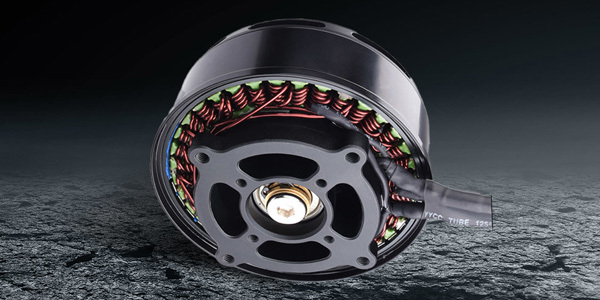
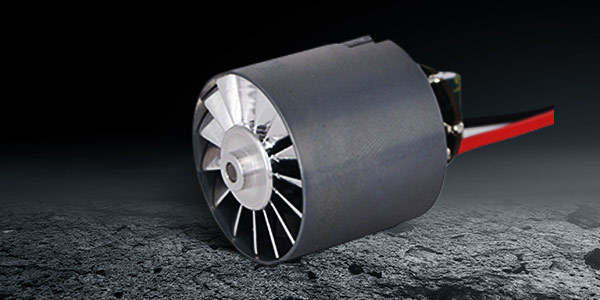
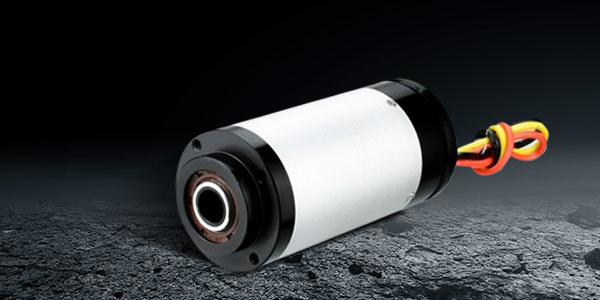
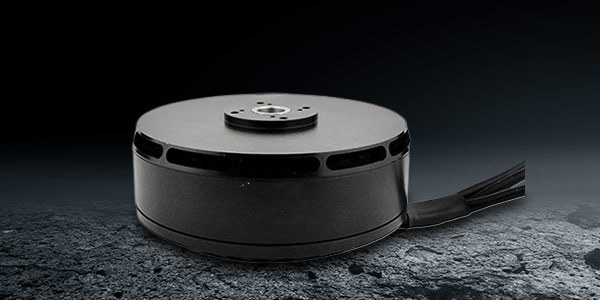
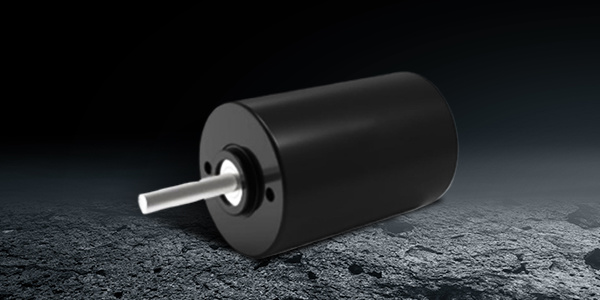
When it comes to drone technology, the choice of drone motors plays a pivotal role in determining the overall performance and efficiency of the aircraft. Drone motors, commonly referred to as brushless DC motors, are specifically designed to provide high power-to-weight ratios, which is crucial for the demanding nature of aerial flight. Understanding the characteristics of these motors can significantly impact the design and functionality of drones, especially in commercial and specialized applications.
One of the primary features of drone motors is their efficiency. Brushless motors are favored for their ability to convert battery power into mechanical energy with minimal loss. This characteristic ensures longer flight times, which is essential for both recreational and professional drone users. Additionally, these motors provide higher torque at lower RPMs, offering better control and responsiveness during flight maneuvers.
When selecting a drone motor, several factors come into play. The first is the motor’s KV rating, which signifies the motor's RPM per volt. A higher KV rating translates to faster speeds but may compromise torque. Conversely, a lower KV rating often provides better torque for heavier drones, making it crucial to match the motor's characteristics to the drone's intended use, whether for racing, surveying, or cinematography.
Another important consideration is the size and weight of the drone motor. Lighter motors are preferable for agility and prolonged flight times, particularly in racing drones. However, the motor must also be robust enough to handle the weight of the drone and any payload it carries. Additionally, compatibility with the drone's electronic speed controller (ESC) and battery is vital for seamless operation.
Cooling is another critical aspect to consider, as drone motors generate heat during operation. Proper thermal management, through heatsinks or airflow designs, can prolong the lifespan of the motor and enhance performance. It is also advisable to consider the use of quality bearings and materials, as these factors influence durability and maintenance needs.
Lastly, understanding the market trends surrounding drone motors can provide insights into future innovations. With advancements in technology, manufacturers are continually developing motors that are lighter, more efficient, and capable of integrating advanced features like telemetry and sensors.
In conclusion, drone motors are a fundamental component of aerial technology, influencing performance, efficiency, and overall functionality. For professionals in the electric motor and specialized motor industries, a comprehensive understanding of drone motors will not only aid in selecting the appropriate motors for various applications but also enhance the capability to innovate and adapt to the ever-evolving landscape of drone technology.
Previous: None
Next: Top 5 Applications for High Torque Drone Motors: Unlocking New Possibilities


Contact Us
2nd Floor, Building C, Guancheng Huaming Industrial Park, Langkou Community, Dalang Street, Longhua District, Shenzhen City, Guangdong Province