






Apr 05,2026
Essential Maintenance Tips for Prolonging the Life of Your Flying Drone Motors
Essential Maintenance Tips for Prolonging the Life of Your Flying Drone Motors Table of Contents Understanding Drone Motors The Importance of Maintenance for Drone Motors Regular Cleaning: Keeping Your Motors Free of Debris Checking and Tightening Connections Proper Storage Techniques for Your Drones Monitoring Temperature and Humidity Levels Calibrating Your Drone Mot
Essential Maintenance Tips for Prolonging the Life of Your Flying Drone Motors
Table of Contents
- Understanding Drone Motors
- The Importance of Maintenance for Drone Motors
- Regular Cleaning: Keeping Your Motors Free of Debris
- Checking and Tightening Connections
- Proper Storage Techniques for Your Drones
- Monitoring Temperature and Humidity Levels
- Calibrating Your Drone Motors
- Using Quality Replacement Parts
- Common Signs of Motor Wear and Tear
- FAQs
- Conclusion
Understanding Drone Motors
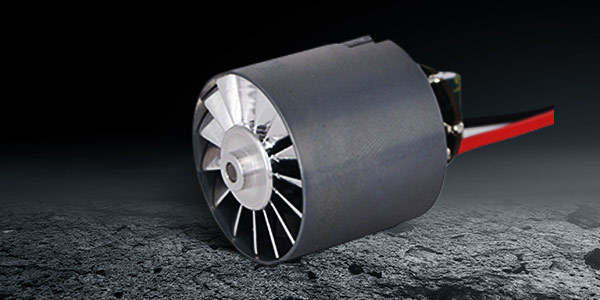
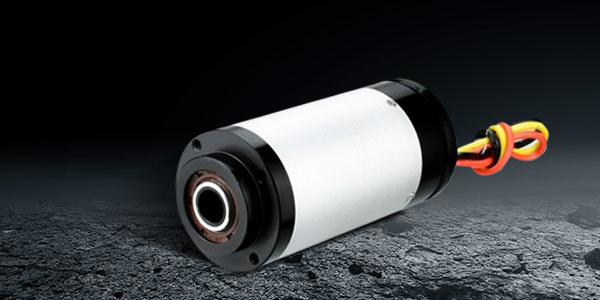
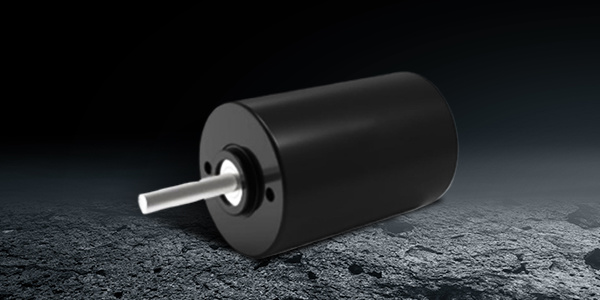
Drones rely heavily on their motors to function effectively. These motors are responsible for providing the lift needed for flight and controlling movement. Understanding how these motors operate and the different types available helps you appreciate the importance of proper maintenance.
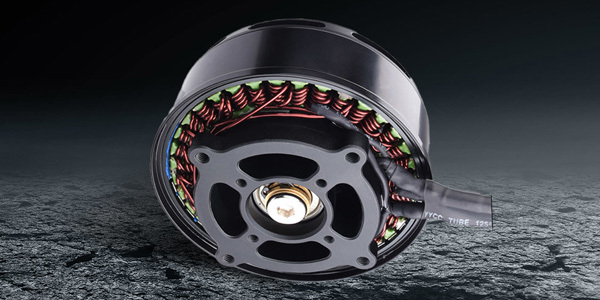
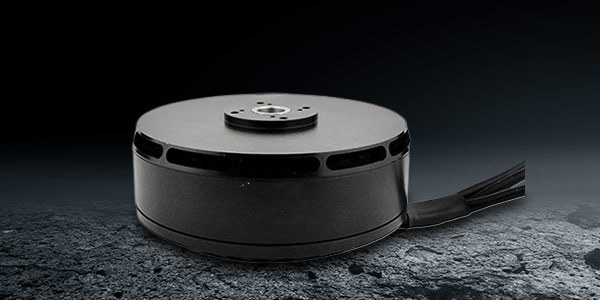
**Brushless motors** are the most common type found in modern drones. They are favored for their efficiency and longevity, but they still require care to maximize their lifespan. Knowing the components of your drone motor, such as bearings, windings, and magnets, allows you to identify the specific maintenance needs of each part.
The Importance of Maintenance for Drone Motors
Regular maintenance is crucial for ensuring the longevity and performance of drone motors. Neglecting maintenance can lead to reduced efficiency, increased power consumption, and ultimately, motor failure. By taking proactive steps to maintain your drone’s motors, you can avoid costly repairs and replacements.
A well-maintained motor will not only perform better during flights but will also contribute to the overall safety of your drone operations. Regular inspections and servicing of motors can prevent unexpected malfunctions, allowing for a smoother and more reliable flying experience.
Regular Cleaning: Keeping Your Motors Free of Debris
One of the simplest yet most effective ways to maintain drone motors is through regular cleaning. Dirt, dust, and debris can accumulate on and inside the motors, affecting their performance. Follow these steps for effective cleaning:
1. **Disconnect the Power:** Ensure the drone is powered off and disconnected from any batteries before starting the cleaning process.
2. **Use Compressed Air:** Gently blow out any debris from the motor's exterior using compressed air. This helps remove particles without damaging sensitive components.
3. **Wipe Down Surfaces:** Use a soft, lint-free cloth to wipe down the outside of the motors. For stubborn dirt, a mild cleaning solution can be used, but avoid harsh chemicals.
4. **Check the Propellers:** Inspect the propellers for any signs of damage or dirt. Clean or replace them as necessary to ensure balanced and efficient motor operation.
Regular cleaning not only keeps your motors running smoothly but also helps extend their lifespan by preventing wear caused by dirt buildup.
Checking and Tightening Connections
Loose or corroded electrical connections can lead to inefficiencies and potential motor failure. Regularly inspect the connections between the motors and the electronic speed controllers (ESCs) to ensure they are tight and free from corrosion. Here’s how to do it:
1. **Visual Inspection:** Look for any signs of corrosion or wear on the connectors. If corrosion is present, clean it off gently with a suitable cleaner.
2. **Tighten Connectors:** Ensure that all connections are secure. Use a small screwdriver to tighten any loose screws or connectors.
3. **Test Connections:** After tightening, conduct a pre-flight check to ensure all motors respond correctly when powered on.
Maintaining a secure connection is essential for optimal motor performance and increasing the reliability of your drone during flights.
Proper Storage Techniques for Your Drones
How you store your drone can significantly impact the condition of its motors. Follow these storage tips to prolong the life of your drone motors:
1. **Use a Protective Case:** Invest in a quality carrying case that provides protection against dust, moisture, and physical damage.
2. **Store in a Cool, Dry Place:** Avoid exposing your drone to extreme temperatures or humidity, as these conditions can negatively affect motor components.
3. **Remove Batteries:** If you plan on storing your drone for an extended period, remove the batteries to prevent leakage and corrosion. Store them in a cool, dry place as well.
4. **Avoid Direct Sunlight:** Prolonged exposure to sunlight can degrade motor components, so store your drone away from direct light sources.
By implementing proper storage practices, you ensure that your drone motors remain in excellent condition, ready for optimal performance whenever you need them.
Monitoring Temperature and Humidity Levels
Temperature and humidity can have a serious impact on your drone motors. High temperatures can cause overheating, while excessive humidity can lead to corrosion and rust. Here are some tips to monitor and control these environmental factors:
1. **Use a Hygrometer:** Invest in a hygrometer to measure humidity levels in your storage area. Aim to keep humidity below 50% to prevent moisture buildup.
2. **Avoid High Temperatures:** Ensure that your storage area is well-ventilated and away from heat sources. If you’re flying in hot weather, give your motors time to cool down between flights.
3. **Use Cooling Solutions:** If flying in hot conditions, consider using external cooling solutions, such as fans or cooling pads, to help regulate motor temperatures.
By maintaining appropriate temperature and humidity levels, you can significantly reduce the risk of damage to your drone motors.
Calibrating Your Drone Motors
Calibration is an essential process for ensuring your drone operates smoothly and efficiently. Proper calibration helps the flight controller understand how each motor responds to inputs. Follow these steps to calibrate your drone motors:
1. **Read the Manual:** Familiarize yourself with the calibration process specific to your drone model, as methods may vary.
2. **Use the Right Software:** Most drones come with companion apps or software for calibration. Ensure you have the latest version.
3. **Follow Calibration Steps:** Usually, you will need to power on the drone, connect it to the app, and follow the on-screen instructions for motor calibration.
4. **Conduct Tests:** After calibration, test the drone in a safe environment to ensure that all motors respond as expected.
Regular calibration helps maintain motor efficiency, ensuring a smooth flying experience.
Using Quality Replacement Parts
If you need to replace any components of your drone motors, it’s crucial to use high-quality parts. Here’s why quality matters:
1. **Compatibility:** High-quality parts are designed to fit perfectly with your specific motor model, reducing the risk of further damage.
2. **Longevity:** Quality components typically last longer than cheaper alternatives, providing better value over time.
3. **Performance:** Superior parts can enhance the overall performance of your drone, leading to improved flight times and stability.
4. **Manufacturer Recommendations:** Always refer to the manufacturer’s recommendations when selecting replacement parts to ensure compatibility and reliability.
Investing in quality replacement parts can save you time and money in the long run by preventing frequent repairs and replacements.
Common Signs of Motor Wear and Tear
Recognizing the early signs of motor wear can help prevent catastrophic motor failure. Look out for these common indicators:
1. **Unusual Noises:** If you hear grinding or rattling noises coming from the motors, it may indicate damaged bearings or other internal issues.
2. **Decreased Performance:** A noticeable drop in lift or responsiveness during flight may suggest motor wear and requires immediate attention.
3. **Overheating:** Motors that overheat quickly may be overloaded, indicating potential damage or the need for lubrication.
4. **Vibrations:** Excessive vibrations during flight could indicate an imbalance or a damaged motor, which needs to be addressed.
By being vigilant and addressing these signs early, you can prolong the life of your drone motors and maintain optimal performance.
FAQs
1. How often should I clean my drone motors?
Cleaning your drone motors after every few flights, or whenever you notice debris, is ideal to maintain performance.
2. Can I use my drone in rainy weather?
While some drones are weather-resistant, it’s best to avoid flying in rain to prevent moisture damage to the motors.
3. What should I do if my motor overheats?
Allow the motor to cool down before inspecting for any blockages or issues. If overheating persists, consult a technician.
4. How can I tell if my drone motors need replacement?
If you notice unusual noises, vibrations, or significant performance drops, it may be time to replace the motors.
5. Is it safe to fly my drone if one motor is malfunctioning?
It is not safe to fly a drone with a malfunctioning motor. Always ensure all motors are functioning correctly before flying.
Conclusion
Prolonging the life of your flying drone motors is a combination of proper maintenance, regular inspections, and attentive care. By implementing these maintenance tips and practices, you not only enhance the performance and reliability of your drone but also ensure that it serves you well for many flights to come. Stay proactive, monitor your equipment, and invest in quality parts and cleaning practices to enjoy countless successful flying adventures.
Previous: None
Next: Exploring the Role of Drones in Electrical and Mechanical Engineering


Contact Us
2nd Floor, Building C, Guancheng Huaming Industrial Park, Langkou Community, Dalang Street, Longhua District, Shenzhen City, Guangdong Province