







Apr 17,2026
Powering the Skies: How Drone Power Systems are Revolutionizing Aviation
Powering the Skies: How Drone Power Systems are Revolutionizing Aviation Table of Contents 1. Introduction to Drone Power Systems 2. The Evolution of Drone Technology 3. Key Components of Drone Power Systems 3.1 Battery Technologies: The Heart of Drones 3.2 Energy Management Systems: Optimizing Performance 3.3 Propulsion Systems: The Force Behind the Flight 4. Applications of Drones in Various Ind
Powering the Skies: How Drone Power Systems are Revolutionizing Aviation
Table of Contents
1. Introduction to Drone Power Systems
2. The Evolution of Drone Technology
3. Key Components of Drone Power Systems
3.1 Battery Technologies: The Heart of Drones
3.2 Energy Management Systems: Optimizing Performance
3.3 Propulsion Systems: The Force Behind the Flight
4. Applications of Drones in Various Industries
4.1 Agriculture: Precision Farming Solutions
4.2 Emergency Services: Rapid Response and Relief
4.3 Delivery Services: The Future of Logistics
5. Challenges Facing Drone Power Systems
6. The Future of Drone Power Systems
7. FAQs About Drone Power Systems
8. Conclusion
1. Introduction to Drone Power Systems
The **rapid advancement of drone technology** has paved the way for significant innovations in various sectors. One of the core elements driving this evolution is the **development of efficient power systems**. As we dive into how these systems are transforming aviation and other industries, we will explore the underlying technologies, applications, and future potential of drone power systems.
2. The Evolution of Drone Technology
Drones, also known as unmanned aerial vehicles (UAVs), have undergone a remarkable transformation since their inception. Initially used primarily for military purposes, they are now prevalent in civilian applications such as **aerial photography, surveying, agricultural monitoring, and emergency response**. The evolution of drone technology is closely linked to the advancements in their **power systems**, which have improved their operational efficiency, flight duration, and versatility.
3. Key Components of Drone Power Systems
To understand how drone power systems work, it is essential to break down their key components. These systems are designed to optimize performance and maximize efficiency for a wide range of applications.
3.1 Battery Technologies: The Heart of Drones
At the core of every drone power system is its battery technology. Lithium polymer (LiPo) batteries are the most common choice due to their **lightweight nature** and high energy density. However, researchers are exploring new materials such as **solid-state batteries** and **lithium-sulfur batteries** that promise greater energy storage and longer flight times. These advancements could enable drones to operate for extended periods, expanding their utility across various industries.
3.2 Energy Management Systems: Optimizing Performance
Energy management systems (EMS) play a crucial role in enhancing the efficiency of drone power systems. These systems monitor battery health, manage energy consumption, and adjust operational parameters in real-time. By optimizing performance, EMS can extend flight times and ensure safe operation, especially during complex missions or adverse conditions.
3.3 Propulsion Systems: The Force Behind the Flight
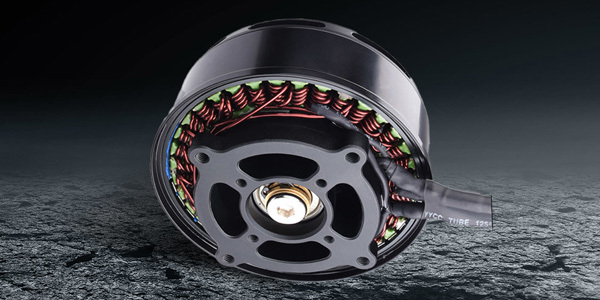
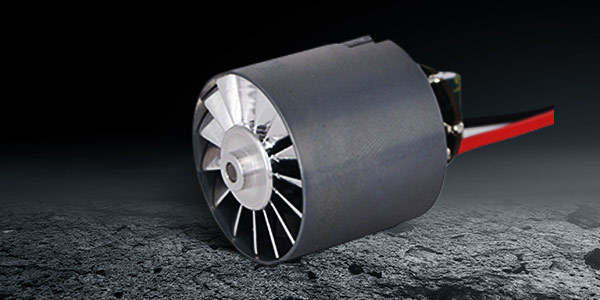
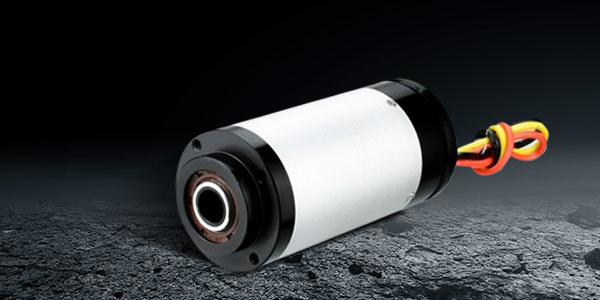
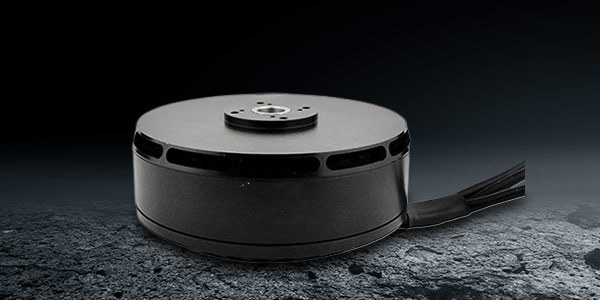
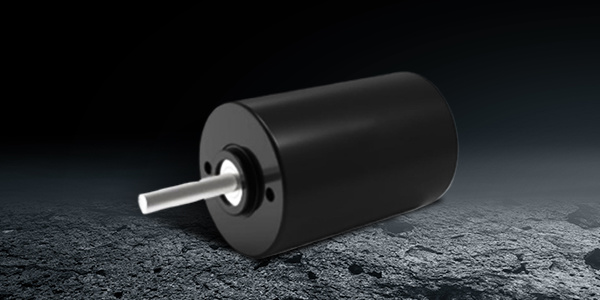
The propulsion system is another vital component of drone power systems. Modern drones typically use brushless DC motors due to their high efficiency and reliability. The integration of advanced motor technologies, such as **high-torque motors** and **multi-rotor configurations**, allows for improved maneuverability and enhanced payload capabilities. This innovation is critical for applications such as **search and rescue operations** and **heavy-lift drone services**.
4. Applications of Drones in Various Industries
Drones equipped with cutting-edge power systems are making a significant impact across numerous sectors. Their ability to **carry out tasks efficiently** has changed the landscape of various industries.
4.1 Agriculture: Precision Farming Solutions
In agriculture, drones are transforming traditional farming practices by offering precision farming solutions. Equipped with sensors and cameras, these drones can monitor crop health, assess soil conditions, and even optimize irrigation. The efficiency gained from using drones powered by advanced energy systems enables farmers to make data-driven decisions, ultimately leading to increased yields and reduced resource waste.
4.2 Emergency Services: Rapid Response and Relief
Drones have also become invaluable tools for emergency services. They can quickly assess disaster-stricken areas, deliver essential supplies, and assist in search and rescue operations. Their ability to cover large areas while operating remotely makes them ideal for situations where time is of the essence. The reliability of their power systems ensures they can operate effectively in critical scenarios.
4.3 Delivery Services: The Future of Logistics
Logistics and delivery services are experiencing a revolution with the introduction of drone technology. Companies like Amazon and Google are developing drone delivery systems that promise to enhance efficiency and reduce delivery times. The **integration of advanced power systems** ensures these drones can carry heavier payloads and travel longer distances, making them viable for urban and rural deliveries alike.
5. Challenges Facing Drone Power Systems
Despite the tremendous potential of drone power systems, several challenges must be addressed to maximize their effectiveness. Issues such as battery life limitations, regulatory hurdles, and technological constraints can impede the widespread adoption of drone technology. Additionally, concerns related to safety, privacy, and airspace management must be navigated to ensure the responsible use of drones in various applications.
6. The Future of Drone Power Systems
The future of drone power systems holds great promise. As technology continues to evolve, we can anticipate remarkable innovations in battery efficiency, energy management, and propulsion systems. Emerging technologies, such as **hybrid-electric power systems** and **solar-powered drones**, may enable longer flight times and greater operational ranges. Furthermore, the integration of artificial intelligence and machine learning will likely enhance the capabilities of drones, making them even more effective in various applications.
7. FAQs About Drone Power Systems
What type of battery is used in drones?
Most drones utilize lithium polymer (LiPo) batteries for their lightweight and efficient energy storage. However, advancements in battery technology are introducing alternatives like solid-state and lithium-sulfur batteries.
How long can drones fly on a single charge?
The flight time of a drone on a single charge typically ranges from 20 to 40 minutes, depending on the model and battery capacity. Advanced power systems may increase these times significantly.
What are the benefits of using drones in agriculture?
Drones provide numerous benefits in agriculture, including improved crop monitoring, optimized resource usage, and increased efficiency in farm management practices.
How do emergency services benefit from drone technology?
Emergency services utilize drones for rapid assessment of disaster areas, delivery of supplies, and conducting search and rescue missions, enhancing overall response times and operational efficiency.
What challenges do drone power systems face?
Drone power systems face challenges such as limited battery life, regulatory issues, safety concerns, and technological constraints that must be addressed for widespread adoption.
8. Conclusion
The evolution of drone power systems is fundamentally transforming the aviation landscape and various industries. Through advancements in battery technology, energy management systems, and propulsion systems, drones are becoming more efficient and versatile than ever before. As we look to the future, the potential applications are boundless, from precision agriculture to emergency response and beyond. Embracing these innovations will not only pave the way for smarter technology but also unlock new possibilities for our world, ultimately revolutionizing how we operate in the skies and on the ground.
Previous: None
Next: Essential Flying Drone Accessories for Electrical Professionals


Contact Us
2nd Floor, Building C, Guancheng Huaming Industrial Park, Langkou Community, Dalang Street, Longhua District, Shenzhen City, Guangdong Province