







Apr 11,2026
How Flying Drone Power Kits are Revolutionizing the Electric Motor Industry
How Flying Drone Power Kits are Revolutionizing the Electric Motor Industry Introduction to the Electric Motor Industry The electric motor industry plays a pivotal role in various sectors, powering everything from household appliances to large industrial machinery. As the world increasingly focuses on sustainability and energy efficiency, innovations are constantly reshaping this landscape. One of
How Flying Drone Power Kits are Revolutionizing the Electric Motor Industry
Introduction to the Electric Motor Industry
The electric motor industry plays a pivotal role in various sectors, powering everything from household appliances to large industrial machinery. As the world increasingly focuses on sustainability and energy efficiency, innovations are constantly reshaping this landscape. One of the most transformative advancements in recent years has been the introduction of flying drone power kits, which are setting new standards in performance and design.
Understanding Flying Drone Power Kits
Flying drone power kits are advanced systems designed to enhance the efficiency and performance of electric motors. These kits typically incorporate lightweight materials, high-capacity batteries, and sophisticated control systems that allow drones to operate with unparalleled agility, endurance, and power management.
The Mechanisms Behind Flying Drone Power Kits
At their core, flying drone power kits utilize a combination of electric motors and propulsion systems that enable drones to achieve remarkable flight times and load capacities. Key components include:
1. High-Efficiency Electric Motors
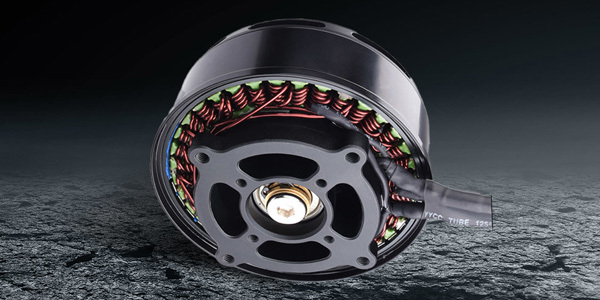
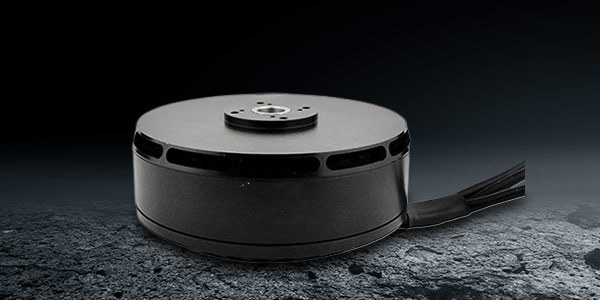
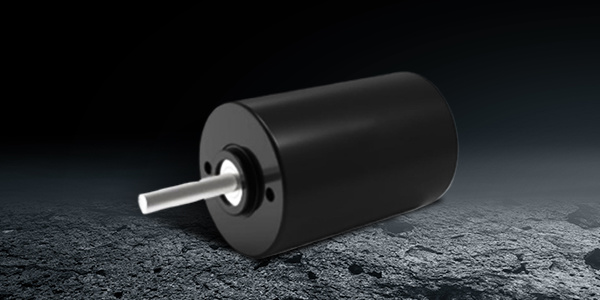
These motors are engineered for optimal performance, offering superior torque and speed while minimizing energy consumption. Innovations such as brushless designs further improve their efficiency and longevity.
2. Advanced Battery Technology
The integration of lithium-polymer (LiPo) batteries allows for higher energy densities, leading to longer flight durations. These batteries are also lighter, which significantly contributes to the overall performance of the drone.
3. Smart Control Systems
Modern drones are equipped with sophisticated control systems that utilize algorithms to manage power distribution effectively. This ensures that the drone operates efficiently, adapting to changes in load and environmental conditions.
Transformative Applications in Various Industries
The versatility of flying drone power kits has led to their adoption across multiple industries. Here’s a closer look at some of the most impactful applications:
1. Agriculture: Revolutionizing Crop Monitoring and Management
In agriculture, flying drones equipped with advanced power kits are transforming how farmers monitor and manage their crops. By providing real-time aerial imagery and data collection, these drones enhance precision farming, enabling better decision-making and resource allocation.
2. Construction: Enhancing Project Efficiency
The construction industry benefits from flying drone power kits through improved site surveying and monitoring. Drones can quickly survey large areas, delivering accurate measurements and enabling project managers to track progress and identify issues early on.
3. Search and Rescue Operations: Saving Lives
During emergencies, drones fitted with power kits enable rapid deployment of resources for search and rescue missions. Their ability to cover vast areas quickly and send real-time data back to command centers is invaluable in critical situations.
4. Delivery Services: Redefining Logistics
With the rise of e-commerce, flying drones are poised to revolutionize delivery services. Power kits provide the necessary endurance and reliability, making it feasible for drones to deliver packages efficiently over long distances.
5. Environmental Monitoring: Safeguarding Our Planet
Flying drones also play a crucial role in environmental monitoring. They can survey ecosystems, track wildlife populations, and monitor climate change effects, all while operating with minimal environmental impact thanks to their energy-efficient designs.
Impact on the Electric Motor Market
The integration of flying drone power kits into various industries is significantly influencing the electric motor market. Here are several ways this is occurring:
1. Increased Demand for Lightweight Motors
As flying drone applications require motors that are both powerful and lightweight, manufacturers are investing in research and development to create motors that meet these demands. This shift is pushing the boundaries of electric motor technology.
2. Growth of Sustainable Practices
Flying drone power kits promote sustainability by reducing reliance on fossil fuels and lowering carbon emissions. As awareness of environmental concerns grows, the electric motor industry is aligning itself with greener practices.
3. Innovations in Design and Engineering
The challenges presented by flying drones have encouraged engineers to innovate, leading to the development of new motor designs that offer better performance, efficiency, and durability. This innovation cycle is likely to benefit other sectors reliant on electric motors.
Challenges Facing the Adoption of Flying Drone Power Kits
Despite the myriad benefits, the adoption of flying drone power kits is not without challenges. Addressing these obstacles is crucial for maximizing their potential.
1. Regulatory Hurdles
The use of drones is subject to stringent regulations that vary by country and region. Navigating these regulations can be complex for businesses looking to implement drone technology.
2. Technological Limitations
While flying drone power kits are advanced, there are still limitations regarding battery life, payload capacity, and operational range. Continuous advancements are needed to overcome these challenges and enhance usability.
3. Cost Implications
The initial investment in drone technology and power kits can be significant. Businesses must weigh the costs against the potential benefits of increased efficiency and improved operational capabilities.
The Future of Flying Drone Power Kits in Electric Motor Applications
The future of flying drone power kits in the electric motor industry looks promising. As technology continues to advance, we can expect several trends to emerge:
1. Enhanced Power Systems
Future developments may yield even more efficient battery technologies and power systems that extend flight times and increase the payload capacity of drones.
2. Integration with AI and Machine Learning
The integration of artificial intelligence (AI) and machine learning into flying drones could revolutionize their functionality. These technologies can help drones make real-time decisions based on environmental data, enhancing their operational efficiency.
3. Broader Industry Applications
As flying drone power kits prove their value across various sectors, we may see their implementation in additional industries, such as healthcare for medical supply deliveries or telecommunications for network maintenance.
Conclusion
Flying drone power kits are not just a passing trend; they represent a significant evolution in the electric motor industry. By enhancing efficiency, promoting sustainability, and opening new avenues for applications, these kits are revolutionizing how electric motors are integrated into various sectors. As technology continues to advance, the full potential of flying drone power kits will undoubtedly redefine industry standards, leading to a future where efficiency and innovation go hand in hand.
FAQs
1. What are flying drone power kits?
Flying drone power kits are advanced systems that enhance the efficiency and performance of electric motors used in drones, incorporating lightweight materials, high-capacity batteries, and sophisticated control systems.
2. How are flying drones used in agriculture?
In agriculture, flying drones monitor crops, gather data for precision farming, and enable farmers to make informed decisions regarding resource allocation and management.
3. What advantages do electric motors in drones have over traditional motors?
Electric motors in drones offer higher efficiency, lower energy consumption, and reduced environmental impact compared to traditional combustion engines.
4. Are there challenges to using flying drone power kits?
Yes, challenges include regulatory hurdles, technological limitations, and initial cost implications that businesses must navigate.
5. What does the future hold for flying drone power kits?
The future is bright, with potential advancements in power systems, integration of AI, and broader applications across various industries.
Previous: None
Next: The Essential Guide to Brushless Motors in Flying Drones


Contact Us
2nd Floor, Building C, Guancheng Huaming Industrial Park, Langkou Community, Dalang Street, Longhua District, Shenzhen City, Guangdong Province