







May 02,2026
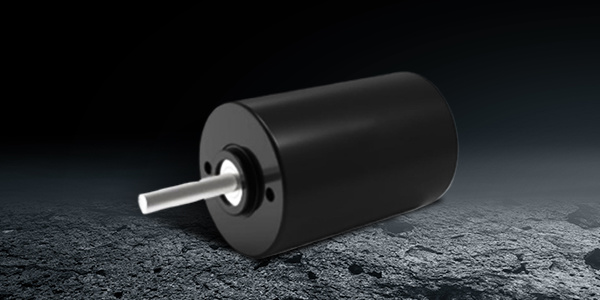
The Impact of Drones on Electrical Engineering: A New Frontier for Electric Motors
Drones have emerged as a revolutionary technology in recent years, finding applications across multiple sectors, including electrical engineering, where they are proving to be valuable tools, especially in relation to electric motors and specialized motors. The utilization of drones offers numerous advantages that can enhance efficiency and safety in various tasks. One of the significant benefits
One of the significant benefits of using drones in the electrical engineering sector is their ability to conduct inspections and maintenance of power lines, transformers, and other infrastructure where electric motors are commonly utilized. Traditionally, inspecting electrical installations often required workers to perform risky climbs or traverse hazardous areas, posing significant safety risks. Drones, equipped with high-resolution cameras and thermal imaging capabilities, can perform these inspections from a safe distance, capturing detailed images and data to identify issues without putting personnel at risk.
Additionally, drones facilitate the swift and accurate mapping of large areas, including electric motor installations in power plants or industrial settings. This geospatial data can play a crucial role in planning maintenance schedules and optimizing the performance of electric motors. By providing real-time data analytics, drones enable electrical engineers to make informed decisions regarding the upkeep and enhancement of motor systems.
In the realm of specialized electric motors, drones can support research and development efforts by allowing engineers to simulate various conditions and gather data from remote locations. This capability is especially beneficial for testing prototypes or assessing the performance of motors in challenging environments. Drones can transport sensors and collect data in places that are otherwise difficult to reach, streamlining the development process.
Moreover, the integration of drones with electric motors opens up possibilities for new applications, such as aerial deliveries of components or spare parts to remote job sites. By leveraging drone technology, electrical engineering firms can reduce downtime and improve service response times, ultimately enhancing customer satisfaction.
As technology continues to evolve, the synergy between drones and electric motors is expected to grow, leading to more innovative solutions within the electrical engineering industry. The ongoing advancement of drone technology, coupled with the increasing demand for efficient and safe operational practices, suggests that the future is bright for the integration of these two fields.
In conclusion, drones are not merely a trend; they represent a pivotal advancement in electrical engineering, particularly concerning electric motors and specialized applications. Their versatility, safety features, and efficiency make them an indispensable tool for modern electrical engineers, promising to reshape the landscape of the industry in the years to come.
Previous: None
Next: How Drone Power Kits Can Enhance Performance in Specialized Motors


Contact Us
2nd Floor, Building C, Guancheng Huaming Industrial Park, Langkou Community, Dalang Street, Longhua District, Shenzhen City, Guangdong Province