







May 05,2026
The Science Behind Flying Drone Motors: How They Generate Lift
The Science Behind Flying Drone Motors: How They Generate Lift Table of Contents Introduction to Drone Motors and Lift Generation Understanding Lift: The Basics Types of Drone Motors: An Overview Brushless Motors vs. Brushed Motors Motor Specifications: What Matters Most How Drone Motors Generate Lift: The Science Explained Factors Affecting Lift in Drones The Future of Drone Moto
The Science Behind Flying Drone Motors: How They Generate Lift
Table of Contents
- Introduction to Drone Motors and Lift Generation
- Understanding Lift: The Basics
- Types of Drone Motors: An Overview
- Brushless Motors vs. Brushed Motors
- Motor Specifications: What Matters Most
- How Drone Motors Generate Lift: The Science Explained
- Factors Affecting Lift in Drones
- The Future of Drone Motors: Innovations on the Horizon
- Frequently Asked Questions
- Conclusion
Introduction to Drone Motors and Lift Generation
Drones have revolutionized various industries, from aerial photography to agriculture. At the heart of each drone lies its motor, the essential component responsible for generating lift and enabling flight. **Understanding the science behind these motors** is vital for anyone interested in drone technology, whether for recreational use or professional applications. This article provides a deep dive into how drone motors work, focusing on their role in generating lift.
Understanding Lift: The Basics
Lift is a fundamental concept in aerodynamics, crucial for understanding how drones operate. **Lift is the force that directly opposes gravity**, allowing an object to rise into the air. For drones, lift is generated through the manipulation of airflow around their rotors.
The Four Forces of Flight
To grasp how lift is produced, one must consider the four primary forces of flight: **lift, weight, thrust, and drag**. Each of these forces plays a critical role in a drone's ability to ascend, hover, and maneuver in the air.
1. Lift
Lift is created when air moves over and under the rotor blades, generating a difference in pressure that pushes the drone upward.
2. Weight
Weight is the force of gravity acting on the drone, which must be overcome by lift for the drone to ascend.
3. Thrust
Thrust is produced by the drone's motors, propelling the rotors and ultimately generating the lift needed for flight.
4. Drag
Drag is the resistance the drone encounters as it moves through the air, which can impede flight.
Understanding these concepts is essential for comprehending how drone motors are designed to maximize lift and overall flight efficiency.
Types of Drone Motors: An Overview
Drones utilize various types of motors, each designed for specific applications and performance criteria. The most common types of motors found in drones include **brushless motors and brushed motors**.
Brushless Motors
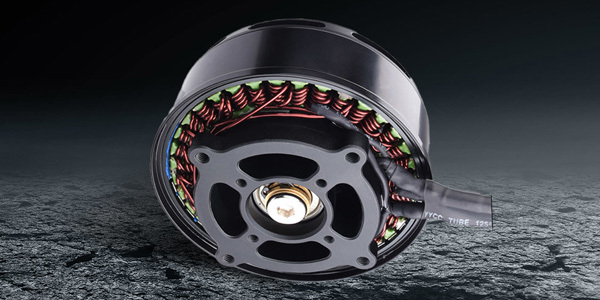
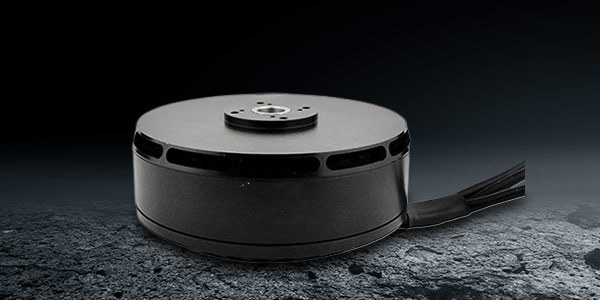
Brushless motors are the preferred choice for most modern drones due to their efficiency and longevity. Unlike brushed motors, brushless motors do not have brushes that wear out over time, leading to a longer lifespan and reduced maintenance needs.
Brushed Motors
Brushed motors, while generally less expensive, are less efficient and have a shorter lifespan than brushless motors. They tend to be found in cheaper drones or toy models.
Brushless Motors vs. Brushed Motors
When comparing brushless and brushed motors, several key factors come into play.
Efficiency
Brushless motors are significantly more efficient, converting a greater percentage of electrical energy into mechanical energy. This efficiency translates to longer flight times and reduced battery consumption.
Power-to-Weight Ratio
Brushless motors often offer a better power-to-weight ratio, providing more thrust without adding excessive weight. This is critical for high-performance drones that require agility and speed.
Heat Generation
Another advantage of brushless motors is their reduced heat generation. Less heat means better performance and less risk of motor failure during operation.
Motor Specifications: What Matters Most
When selecting a drone motor, several specifications should be considered to ensure optimal performance.
KV Rating
The KV rating indicates the motor's RPM (revolutions per minute) per volt. A higher KV rating generally means a higher speed, but it is crucial to balance speed with torque for efficient lift generation.
Thrust Rating
The thrust rating indicates how much weight a motor can lift. This rating is essential for ensuring the drone can carry its payload without compromising flight stability.
Size and Weight
The physical dimensions and weight of the motor must align with the drone's design. An oversized or heavy motor can negatively impact the drone's overall performance.
How Drone Motors Generate Lift: The Science Explained
The generation of lift by drone motors involves several interconnected mechanisms.
Rotor Blade Design
The design of the rotor blades significantly impacts lift generation. Blades are typically airfoil-shaped, which facilitates the necessary airflow dynamics for lift.
Angle of Attack
The angle at which rotor blades meet the oncoming air, known as the angle of attack, also plays a crucial role in lift production. A properly adjusted angle can optimize lift while minimizing drag.
Rotational Speed
Increasing the rotational speed of the motors enhances lift. As the blades spin faster, they push more air downwards, resulting in greater lift force.
Control Systems
Advanced control systems manage motor speed and torque, allowing for precise lift adjustments. This technology enables drones to maintain stability and maneuverability during flight.
Factors Affecting Lift in Drones
Several factors influence a drone's lift capabilities, including:
Weight of the Drone
The total weight, including payload and battery, directly affects lift. A heavier drone requires more thrust to achieve the same level of lift.
Weather Conditions
Environmental factors such as wind speed, air density, and temperature also impact lift. For example, high winds can disrupt a drone's stability, affecting its ability to generate lift.
Altitude
At higher altitudes, the air density decreases, resulting in reduced lift. Drones may struggle to maintain altitude in thin air, necessitating adjustments in motor performance.
The Future of Drone Motors: Innovations on the Horizon
The future of drone motors is bright, with ongoing advancements in technology promising to enhance performance and efficiency.
Electric vs. Fuel-Powered Motors
The debate between electric and fuel-powered motors continues. While electric motors are currently more prevalent, advancements in fuel technology could pave the way for more powerful fuel-powered drones.
Smart Motors
Emerging smart motor technologies are set to revolutionize drone operations. These motors will incorporate sensors and AI, allowing for real-time adjustments in performance based on flight conditions.
Developments in Battery Technology
Innovations in battery technology will also play a crucial role in the evolution of drone motors. Longer-lasting and faster-charging batteries will enable drones to fly longer distances and carry heavier loads.
Frequently Asked Questions
1. What is the main function of a drone motor?
The primary function of a drone motor is to generate thrust, which is essential for producing lift and enabling the drone to fly.
2. How do brushless motors differ from brushed motors?
Brushless motors are more efficient, have a longer lifespan, and require less maintenance than brushed motors, making them the preferred choice for most drones.
3. What factors influence the lift generated by a drone?
Factors influencing lift include the drone's weight, rotor blade design, angle of attack, and environmental conditions such as air density and wind speed.
4. How can I improve my drone's lift capabilities?
To improve lift capabilities, consider optimizing rotor blade design, adjusting the motor's KV rating, and minimizing the overall weight of the drone.
5. What advancements can we expect in drone motor technology?
Future advancements may include smarter motors with AI integration, improvements in battery technology, and potential developments in fuel-powered motor options.
Conclusion
The science behind flying drone motors and their lift generation is a fascinating blend of engineering, aerodynamics, and technology. Understanding the various types of motors, their specifications, and the principles of lift is essential not only for enthusiasts but also for professionals in the industry. As technology continues to advance, the capabilities of drone motors will only expand, leading to more efficient, powerful, and versatile drones. Embracing these advancements will undoubtedly shape the future of aerial technology, opening new possibilities for innovation and application.
Previous: None
Next: The Impact of Drones on Electrical Engineering: A New Frontier for Electric Motors


Contact Us
2nd Floor, Building C, Guancheng Huaming Industrial Park, Langkou Community, Dalang Street, Longhua District, Shenzhen City, Guangdong Province