







Oct 18,2025
The Anatomy of Flying Drone Motors: Key Components You Should Know
The Anatomy of Flying Drone Motors: Key Components You Should Know Drones have transformed the way we view technology and innovation, offering unprecedented opportunities in various sectors, including photography, agriculture, logistics, and recreational activities. At the heart of these flying machines lies a critical component: the motor. Understanding the anatomy of drone motors is essential fo
The Anatomy of Flying Drone Motors: Key Components You Should Know
Drones have transformed the way we view technology and innovation, offering unprecedented opportunities in various sectors, including photography, agriculture, logistics, and recreational activities. At the heart of these flying machines lies a critical component: the motor. Understanding the anatomy of drone motors is essential for anyone looking to enhance their drone experience, whether you are a hobbyist, a professional, or an enthusiast eager to dive deeper into the mechanics of flight. This article will explore the key components of flying drone motors, their functions, and their significance in the overall performance of drones.
Table of Contents
- 1. Introduction to Drone Motors
- 2. Types of Drone Motors
- 3. Key Components of Drone Motors
- 4. How Drone Motors Work
- 5. Choosing the Right Motor for Your Drone
- 6. Maintenance and Care for Drone Motors
- 7. Common Problems and Solutions
- 8. The Future of Drone Motors
- 9. Conclusion
- 10. Frequently Asked Questions (FAQs)
1. Introduction to Drone Motors
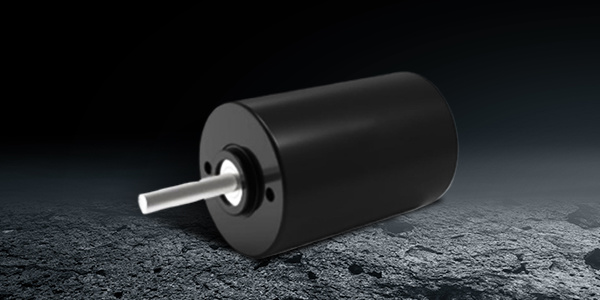
Drone motors are fundamental to the functionality and efficiency of unmanned aerial vehicles (UAVs). They convert electrical energy from the battery into mechanical energy, propelling the drone into flight. The design and type of motor significantly influence the drone's speed, maneuverability, and overall performance. Consequently, understanding the anatomy of these motors helps in making informed decisions when purchasing, upgrading, or repairing drones.
2. Types of Drone Motors
Before delving into the components of drone motors, it is crucial to familiarize ourselves with the primary types of motors used in drone technology.
2.1 Brushless Motors
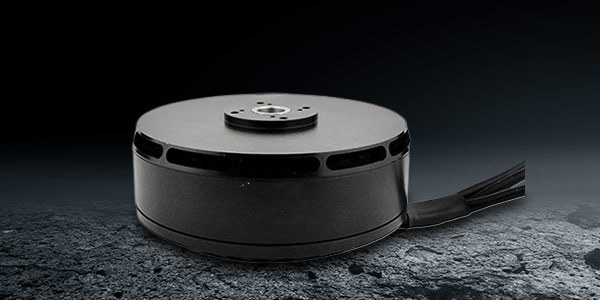
Brushless motors are the most common type of motor found in modern drones due to their efficiency and durability. They operate without carbon brushes, which reduces friction and wear, ultimately leading to longer lifespans. Brushless motors are known for their high power-to-weight ratio, making them ideal for aerial applications that require both speed and control. They also generate less heat, enhancing performance and reliability during prolonged flights.
2.2 Brushed Motors
While less common in high-performance drones, brushed motors are still used in smaller, entry-level models. These motors have a simpler design and are generally cheaper. However, they are less efficient than brushless motors, resulting in shorter flight times and increased wear. Brushed motors are suitable for beginners or casual drone users who do not require high-end performance.
3. Key Components of Drone Motors
Understanding the key components of drone motors is essential to grasp how they function and interact with other parts of the drone. Below, we discuss the main components that make up a drone motor.
3.1 Stator and Rotor
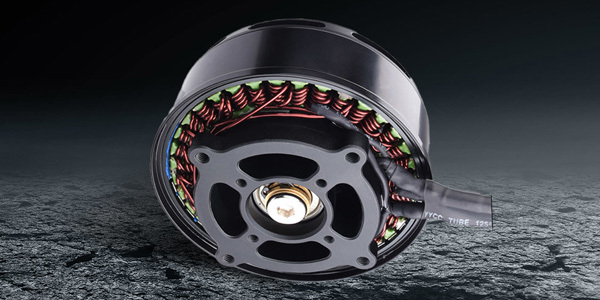
The stator and rotor are the two main components of a drone motor. The **stator** is the stationary part that houses the windings (coils of wire). The **rotor**, which contains permanent magnets, is the rotating part. When electrical current passes through the stator’s windings, it creates a magnetic field that interacts with the rotor's magnets, causing the rotor to spin. This fundamental interaction generates the mechanical energy needed for flight.
3.2 ESC (Electronic Speed Controller)
The ESC plays a crucial role in regulating the power supplied to the motors. It interprets signals from the flight controller regarding how fast the motor should spin. By adjusting the power output, the ESC allows for precise control over the drone’s speed and responsiveness. A quality ESC can significantly enhance flight stability and overall performance.
3.3 Propellers
While not directly part of the motor, propellers work in conjunction with the motor to generate lift. The efficiency and design of the propellers greatly influence drone performance. The size, pitch, and material of the propeller determine how much air the drone can push downward, which is essential for lift. Proper matching of motors and propellers can lead to optimized flight times and performance metrics.
3.4 Motor Mounts
Motor mounts are essential for securely attaching the motors to the drone's frame. They ensure that the motors are aligned correctly, which is vital for balanced flight. Quality motor mounts can also absorb vibration, protecting the motors and other sensitive components. Choosing the right motor mount is critical in maintaining optimal performance and preventing damage during flight.
4. How Drone Motors Work
The operational mechanism of drone motors is quite fascinating. When the drone's pilot inputs commands through the remote controller, the flight controller interprets these signals. The controller then communicates with the ESC, determining how much power each motor should receive. This power modulation allows the drone to ascend, descend, turn, or hover in place. The combined work of the motor, ESC, and propellers creates a complex yet efficient system that enables flight.
5. Choosing the Right Motor for Your Drone
Selecting the right motor for your drone involves several considerations. Factors such as the drone's weight, intended use, and desired flight time play a significant role in motor selection. Here are some key considerations:
- Weight and Thrust Ratio: Ensure the motor can provide sufficient thrust to lift the drone and any payload.
- Voltage Rating: The voltage should match the drone's battery specifications for optimal performance.
- Efficiency and Flight Time: Choose a motor known for efficiency to maximize battery life and flight duration.
- Application: Consider what you will use the drone for—racing, photography, or surveying—as this will influence your motor choice.
6. Maintenance and Care for Drone Motors
Proper maintenance of drone motors is vital for ensuring longevity and optimal performance. Here are some essential maintenance practices:
- Regular Inspections: Frequently check for signs of wear or damage, especially on brushes and bearings in brushed motors.
- Cleaning: Keep motors free from dirt and debris that can impede performance. Use a soft brush for cleaning.
- Lubrication: For brushed motors, apply appropriate lubrication to reduce friction and wear.
- Firmware Updates: Ensure your ESC firmware is up-to-date for optimal functionality and performance.
7. Common Problems and Solutions
Like all mechanical systems, drone motors can encounter issues that affect performance. Knowing common problems and their solutions can save time and ensure a hassle-free flying experience.
- Overheating: Ensure adequate cooling and avoid prolonged heavy loads. Consider using motors with better heat dissipation features.
- Inconsistent Thrust: Check the ESC settings and calibrate the motors if necessary. Ensure propellers are not damaged and are properly balanced.
- Stuttering or Jittering: This could be due to poor connections or insufficient power supply. Check all wiring and connections.
8. The Future of Drone Motors
The future of drone motors looks promising as technology continues to evolve. Innovations such as more efficient brushless motors, integrated smart technologies, and lightweight materials are on the horizon. Additionally, advancements in battery technology are likely to enhance flight times and reduce charging durations. As drone applications expand, so will the motors' capabilities, enabling new possibilities in various industries.
9. Conclusion
Understanding the anatomy of flying drone motors is essential for anyone involved in drone technology. From the basic types of motors to their key components, each element plays a crucial role in ensuring optimal performance and flight capabilities. By choosing the right motor and adhering to maintenance practices, drone enthusiasts can significantly enhance their flying experience. As technology progresses, the future of drone motors promises exciting advancements that will redefine what drones can achieve.
10. Frequently Asked Questions (FAQs)
What is the difference between brushed and brushless drone motors?
Brushed motors are simpler and cheaper but less efficient and have shorter lifespans compared to brushless motors. Brushless motors are more popular for their durability, efficiency, and better performance.
How do I know which motor is right for my drone?
Consider factors such as the drone's weight, the intended use, voltage ratings, and desired flight time when selecting a motor.
How can I maintain my drone motors?
Regularly inspect for wear, clean the motors, lubricate components as needed, and keep firmware updated for optimal performance.
What problems might I encounter with drone motors?
Common issues include overheating, inconsistent thrust, and stuttering. Address these by checking connections, calibrating the ESC, and ensuring proper motor cooling.
What advancements can we expect in drone motor technology?
Future advancements may include more efficient brushless motors, lightweight materials, and integrated smart technologies that enhance performance and reliability.
Previous: Understanding Flying Drone Brushless Motors: Key Insights for Professionals
Next: The Versatility of Drones in the Electrical Engineering Sector


Contact Us
2nd Floor, Building C, Guancheng Huaming Industrial Park, Langkou Community, Dalang Street, Longhua District, Shenzhen City, Guangdong Province