







Oct 19,2025
Understanding Flying Drone Brushless Motors: Key Insights for Professionals
Flying drones have revolutionized various industries, and at the heart of these advanced flying machines are brushless motors. Brushless motors are integral components that provide the efficiency and reliability required for optimal drone performance. Understanding the intricacies of flying drone brushless motors is crucial for professionals involved in the electrical and electronics sector, as th
Brushless motors operate without brushes, which significantly reduces friction and wear, thereby increasing their lifespan. This design feature leads to higher efficiency, resulting in less energy consumption and extended flight times. For professionals, this means selecting brushless motors can lead to better battery performance and lower operational costs in the long run.
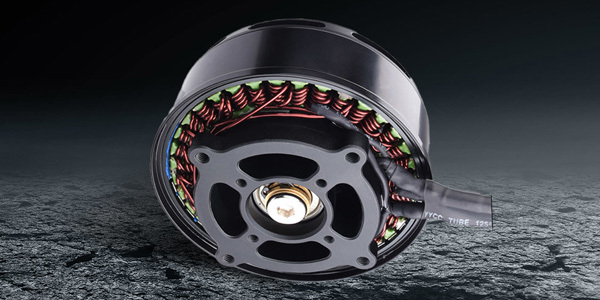
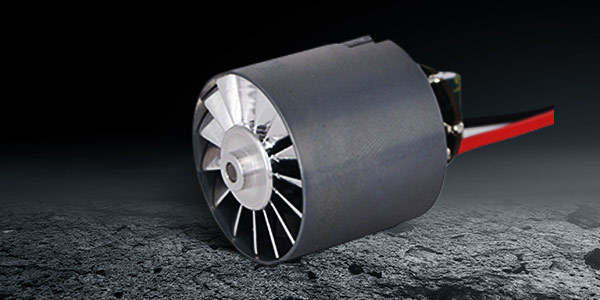
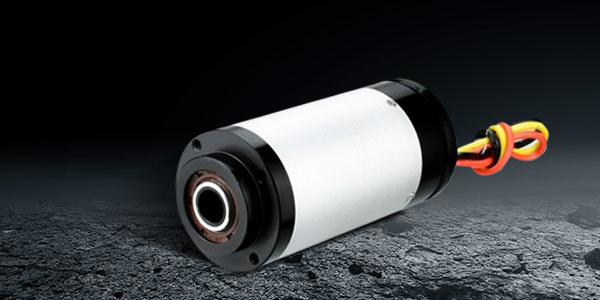
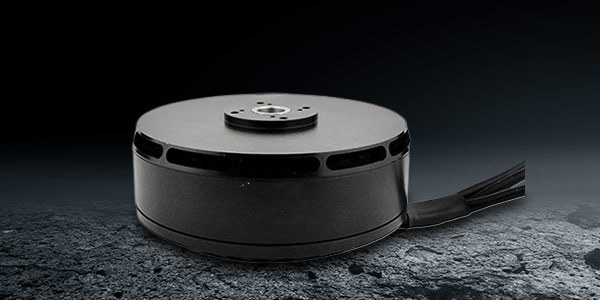
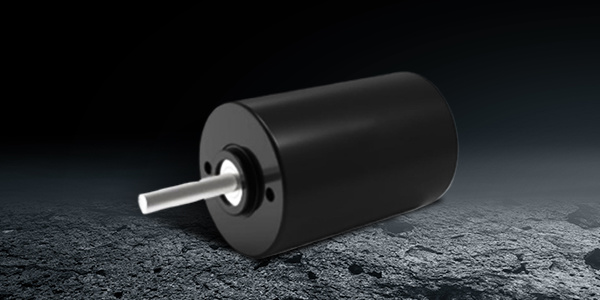
When considering flying drone brushless motors, it's important to recognize the different types available. The two most common types are outrunner and inrunner motors. Outrunner motors have their rotor on the outside, allowing for higher torque at lower RPMs, making them ideal for drones that require significant lifting power. Inrunner motors, on the other hand, have the rotor inside the stator, which allows for higher speeds and efficiency. Understanding these distinctions can help professionals select the right motor type based on the specific application and requirements of their drone projects.
Another critical aspect is the motor's specifications, including KV rating, which indicates the motor's RPM per volt. A higher KV rating generally translates to faster speeds but may sacrifice torque. For drone applications that require quick acceleration and agility, a higher KV motor might be beneficial. Conversely, for applications that demand stability and control, a lower KV motor could be more effective. This knowledge is essential for professionals aiming to optimize drone performance for specific tasks, whether in aerial photography, surveying, or agricultural monitoring.
Moreover, the integration of brushless motors with electronic speed controllers (ESCs) is pivotal for efficient operation. ESCs manage the power delivered to the motor, allowing for smooth acceleration, deceleration, and precise control. Professionals should be well-versed in selecting compatible ESCs that match the specifications of their chosen brushless motors to ensure optimal performance.
Lastly, maintenance plays a vital role in the longevity and performance of flying drone brushless motors. Regular inspections and cleanings can help identify any potential issues before they escalate, ensuring that drones remain operational and reliable.
In conclusion, flying drone brushless motors are essential components that significantly impact drone performance. By understanding their operation, types, specifications, and maintenance requirements, professionals in the electrical and electronics industry can make informed decisions to enhance their projects and outcomes. Staying updated with the latest advancements in brushless motor technology will further empower professionals to innovate and excel in this rapidly evolving field.
Previous: Exploring the Advantages of Flying Drone Power Kits in Electrical Applications
Next: The Anatomy of Flying Drone Motors: Key Components You Should Know


Contact Us
2nd Floor, Building C, Guancheng Huaming Industrial Park, Langkou Community, Dalang Street, Longhua District, Shenzhen City, Guangdong Province