







Oct 24,2025
Exploring the Mechanics Behind High Torque Drone Motors: A Comprehensive Guide
Exploring the Mechanics Behind High Torque Drone Motors Table of Contents 1. Introduction to High Torque Drone Motors 2. Understanding Torque in Drone Motors 3. Key Design Features of High Torque Motors 4. Applications of High Torque Motors in Drones 5. Performance Characteristics of High Torque Drone Motors 6. Selecting the Right High Torque Motor for Your Drone 7. Fu
Exploring the Mechanics Behind High Torque Drone Motors
Table of Contents
- 1. Introduction to High Torque Drone Motors
- 2. Understanding Torque in Drone Motors
- 3. Key Design Features of High Torque Motors
- 4. Applications of High Torque Motors in Drones
- 5. Performance Characteristics of High Torque Drone Motors
- 6. Selecting the Right High Torque Motor for Your Drone
- 7. Future Trends in High Torque Drone Motor Technology
- 8. Frequently Asked Questions
- 9. Conclusion
1. Introduction to High Torque Drone Motors
The world of drones has evolved significantly, with applications ranging from aerial photography to agricultural monitoring and package delivery. Central to the performance of these flying machines are high torque drone motors, which play a crucial role in ensuring stability, maneuverability, and payload capabilities. In this comprehensive guide, we will explore the mechanics behind these motors, discussing their design, functionality, and applications.
2. Understanding Torque in Drone Motors
Torque is a fundamental concept in mechanics, defined as the measure of the rotational force applied to an object. In the context of drone motors, high torque is essential for achieving rapid acceleration, lifting heavy payloads, and maintaining stability during flight.
2.1 The Importance of Torque in Multirotors
Multirotor drones, particularly quadcopters, rely heavily on torque for their flight dynamics. High torque allows these drones to ascend quickly, execute sharp turns, and perform complex aerial maneuvers. It is the torque generated by the motors that ultimately dictates the drone’s ability to respond to pilot commands.
2.2 Linear vs. Rotational Torque
While linear torque refers to the force applied in a straight line, rotational torque is concerned with forces that cause an object to rotate. Drone motors are designed to produce rotational torque, which is translated into thrust through the propellers. The design of the motor, including the rotor and stator configurations, significantly influences the torque output.
3. Key Design Features of High Torque Motors
High torque drone motors are engineered with several key features that enhance their performance and efficiency.
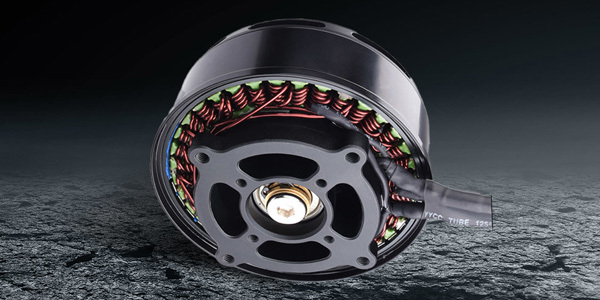
3.1 Motor Windings and Configuration
The arrangement of motor windings plays a crucial role in determining the torque output. High torque motors often utilize multiple windings in a specific configuration to maximize magnetic efficiency.
3.2 Magnet Type and Placement
The type of magnets used in the motor, such as neodymium, can significantly impact the torque produced. Additionally, the placement of these magnets—whether they are on the rotor or stator—also influences the overall performance.
3.3 Cooling Mechanisms
Heat generation is a common issue in electric motors, particularly under high load conditions. Effective cooling mechanisms, such as heat sinks or advanced materials that dissipate heat, are critical for maintaining optimal performance and extending the lifespan of high torque drone motors.
4. Applications of High Torque Motors in Drones
High torque motors are not only crucial for the basic operation of drones but also enable a wide range of applications across various industries.
4.1 Aerial Photography and Videography
In the realm of aerial photography, high torque motors facilitate stable flight, allowing for smooth camera movements and high-quality image capture. The ability to lift heavy cameras also allows for more advanced setups, including gimbals.
4.2 Agriculture and Surveying
Drones equipped with high torque motors are increasingly used in agricultural monitoring and surveying. They can carry heavier payloads such as sensors or spraying equipment, making them invaluable for precision agriculture.
4.3 Search and Rescue Operations
In emergency response scenarios, drones with high torque motors can deliver critical supplies or conduct surveillance over difficult terrain, showcasing their versatility and reliability.
5. Performance Characteristics of High Torque Drone Motors
When evaluating high torque drone motors, several performance characteristics should be considered.
5.1 Power-to-Weight Ratio
The power-to-weight ratio is a critical factor in drone performance. High torque motors must deliver significant power without adding excessive weight to the drone, ensuring efficient flight and maneuverability.
5.2 Efficiency Ratings
Efficiency ratings indicate how well a motor converts electrical energy into mechanical energy. High torque motors are designed to minimize energy losses, allowing for longer flight times and greater operational effectiveness.
5.3 Reliability and Durability
Reliability is paramount in any drone application. High torque motors constructed from durable materials and designed to withstand harsh environments are essential for ensuring longevity and consistent performance.
6. Selecting the Right High Torque Motor for Your Drone
Choosing the appropriate high torque motor involves several considerations.
6.1 Assessing Your Drone’s Requirements
Before selecting a motor, it’s essential to assess the specific requirements of your drone, including its weight, intended payload, and desired flight characteristics.
6.2 Comparing Motor Specifications
Review motor specifications such as RPM, voltage, and torque ratings to find a motor that aligns with your drone’s needs.
6.3 Considering Manufacturer Reliability
Opt for motors from reputable manufacturers known for quality and performance. Researching user reviews and expert opinions can help in making an informed decision.
7. Future Trends in High Torque Drone Motor Technology
As drone technology continues to evolve, so do the innovations in high torque motor design.
7.1 Advances in Material Science
The development of new materials, such as lightweight composites, can enhance the strength and performance of motors while reducing weight, making drones more efficient.
7.2 Integration of Smart Technologies
Emerging smart technologies, such as integrated sensors for real-time performance monitoring, are being incorporated into high torque motors. This allows for more adaptive and efficient flight control.
7.3 Sustainability Initiatives
The push for sustainability is leading to the development of eco-friendly motors that reduce energy consumption and utilize recyclable materials.
8. Frequently Asked Questions
8.1 What defines a high torque motor?
A high torque motor is defined by its ability to generate significant rotational force, allowing for effective lifting and maneuverability in drone applications.
8.2 How do I determine the right torque requirements for my drone?
Torque requirements can be determined by assessing the drone's weight, payload capacity, and desired performance characteristics.
8.3 Are high torque motors more efficient than standard motors?
High torque motors are generally designed for efficiency, especially under load, making them suitable for demanding applications where performance is critical.
8.4 Can high torque motors be used in other applications besides drones?
Yes, high torque motors are utilized in various applications, including robotics, automotive, and industrial machines that require strong rotational force.
8.5 How can I enhance the performance of my drone’s high torque motor?
Enhancing performance can involve regular maintenance, optimizing the weight distribution, ensuring efficient cooling, and using high-quality batteries that provide sufficient power.
9. Conclusion
High torque drone motors are integral to the performance and versatility of modern drones. Understanding the mechanics behind these motors, their design features, and their applications enables users to make informed decisions when selecting or utilizing them for specific tasks. As technology continues to advance, we anticipate significant innovations in high torque motors that will further enhance the capabilities of drones across various fields. Whether you are an engineer, a drone enthusiast, or someone involved in drone applications, staying abreast of these developments will ensure you harness the full potential of high torque motors in your operations.
Previous: Understanding Drone Motors: Key Factors for Optimal Performance
Next: Understanding Drone Brushless Motors: Key Features and Benefits


Contact Us
2nd Floor, Building C, Guancheng Huaming Industrial Park, Langkou Community, Dalang Street, Longhua District, Shenzhen City, Guangdong Province