







Oct 25,2025
Understanding Drone Motors: Key Factors for Optimal Performance
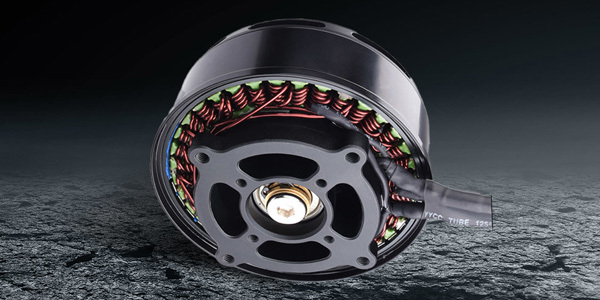
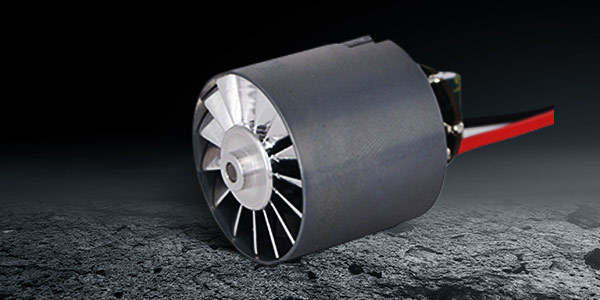
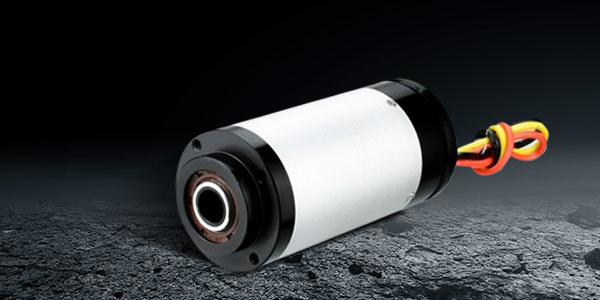
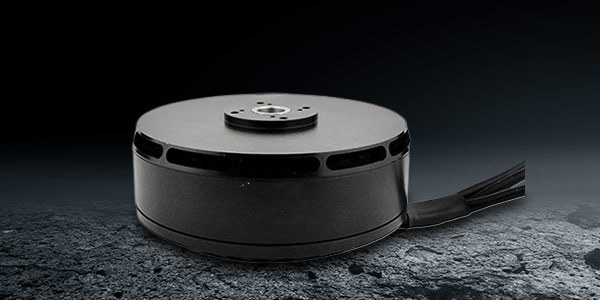
Drone motors are integral components in the functioning of unmanned aerial vehicles (UAVs), commonly known as drones. They are responsible for providing the necessary thrust to lift the drone off the ground and enable it to maneuver through the air. Understanding the types and characteristics of drone motors is essential for professionals in the electrical and electronics sector, particularly thos
There are primarily two types of drone motors: brushed and brushless motors. Brushed motors are simpler in design and are often more cost-effective. However, they are generally less efficient and require more maintenance due to the wear and tear of the brushes. On the other hand, brushless motors, although typically more expensive, offer higher efficiency, longer lifespan, and require less maintenance. They are favored for most modern drones due to their superior performance and reliability.
When selecting a drone motor, several factors need to be considered. First and foremost is the motor's KV rating, which indicates the RPM (revolutions per minute) per volt applied. A higher KV rating generally means higher speeds, making it suitable for racing drones, while a lower KV rating is preferable for heavy-lift drones that require more torque for carrying payloads.
Another vital consideration is the motor’s thrust-to-weight ratio. This ratio helps determine how effectively a drone can lift its own weight and any additional payload. To achieve optimal flight performance, it’s crucial to match the motor’s specifications with the drone’s overall design, including the propeller size and battery capacity. Propeller selection also plays a significant role in the performance of drone motors; larger props provide more thrust but require more power, while smaller props may lead to increased efficiency at the cost of lift.
Moreover, the integration of electronic speed controllers (ESCs) is essential as they regulate the power supplied to the motors. Selecting an appropriate ESC that matches the motor’s specifications ensures smooth and responsive control, enhancing the overall flight experience.
For industry professionals, staying abreast of advancements in drone motor technology is critical. Innovations such as improved materials, advanced cooling techniques, and more efficient designs are continuously emerging, contributing to better performance and energy efficiency.
In conclusion, understanding the nuances of drone motors is key for those involved in the electrical and electronics industry. By considering factors such as motor types, KV ratings, thrust-to-weight ratios, and the importance of ESCs, professionals can ensure they make informed decisions for optimal drone performance.
Previous: The Future of Electric Motors: Enhancing Performance with Drone Power Kits
Next: Exploring the Mechanics Behind High Torque Drone Motors: A Comprehensive Guide


Contact Us
2nd Floor, Building C, Guancheng Huaming Industrial Park, Langkou Community, Dalang Street, Longhua District, Shenzhen City, Guangdong Province