







Oct 26,2025
The Future of Electric Motors: Enhancing Performance with Drone Power Kits
The Future of Electric Motors: Enhancing Performance with Drone Power Kits Table of Contents Introduction to Electric Motors and Drone Power Kits Overview of Electric Motors in the Industry Understanding Drone Power Kits Enhancing Electric Motor Performance with Drone Power Kits Applications of Drone Power Kits in Electric Motors Benefits of Integrating Drone Power Kits Future Trend
The Future of Electric Motors: Enhancing Performance with Drone Power Kits
Table of Contents
- Introduction to Electric Motors and Drone Power Kits
- Overview of Electric Motors in the Industry
- Understanding Drone Power Kits
- Enhancing Electric Motor Performance with Drone Power Kits
- Applications of Drone Power Kits in Electric Motors
- Benefits of Integrating Drone Power Kits
- Future Trends in Electric Motors and Drone Technology
- Challenges in Implementing Drone Power Kits
- Conclusion
- Frequently Asked Questions
Introduction to Electric Motors and Drone Power Kits
The electric motor industry is experiencing a transformative phase, driven by technological advancements and the increasing demand for energy efficiency. As industries look for innovative solutions to enhance performance, **drone power kits** have emerged as a game-changer. These kits provide a new dimension to electric motor capabilities, enabling enhanced performance, increased efficiency, and greater versatility.
In this article, we explore the intersection of electric motors and drone power kits, addressing how these innovations are shaping the future of various industries.
Overview of Electric Motors in the Industry
Electric motors have been at the core of the industrial revolution, powering everything from household appliances to large machinery. Their efficiency, reliability, and eco-friendly nature make them a popular choice in various applications.
The Components of Electric Motors
Electric motors consist of several key components:
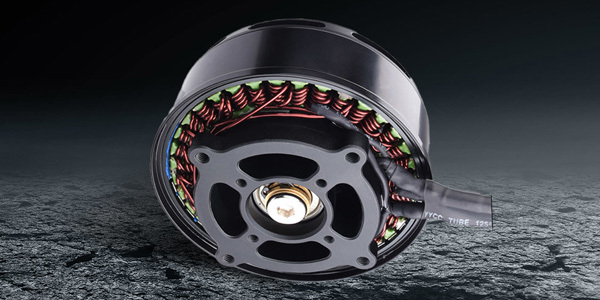
- **Stator**: The stationary part of the motor that produces a magnetic field.
- **Rotor**: The rotating part that turns the electrical energy into mechanical energy.
- **Windings**: Coils of wire that create magnetic fields when electric current flows through them.
- **Commutator**: A device that reverses the current direction in the rotor windings.
Types of Electric Motors
There are primarily two types of electric motors:
- **AC Motors**: Powered by alternating current, commonly used in industrial applications.
- **DC Motors**: Powered by direct current, often found in smaller devices and electric vehicles.
Understanding Drone Power Kits
Drone power kits are designed to provide additional power sources for electric motors, leveraging advanced battery technology and lightweight materials. These kits can enhance the overall performance of electric motors by supplying extra energy when needed, improving efficiency, and extending operational time.
Key Features of Drone Power Kits
- **High Energy Density**: Modern drone batteries offer significant energy storage within a compact design.
- **Lightweight Design**: The lightweight materials used in drone kits minimize the overall weight, enhancing maneuverability.
- **Modular Configurations**: These kits can be customized according to specific applications and performance requirements.
Enhancing Electric Motor Performance with Drone Power Kits
Integrating drone power kits with electric motors can lead to substantial performance enhancements. Here’s how:
Improved Efficiency
Drone power kits enable electric motors to operate at optimal efficiency by providing supplementary power during high-demand situations. This ensures that the motor does not overwork, leading to longer operational life and reduced energy consumption.
Increased Torque and Speed
The additional power supplied by drone kits can increase both torque and speed, making electric motors suitable for applications requiring high performance, such as racing drones and industrial automation.
Enhanced Cooling Systems
Many drone power kits come with integrated cooling technology, preventing overheating and maintaining optimal operating temperatures for electric motors. This is particularly critical in high-load applications where thermal management is essential.
Applications of Drone Power Kits in Electric Motors
The applications of drone power kits in electric motors are vast and varied. Below are some notable sectors benefiting from this technology.
Industrial Automation
In automated manufacturing processes, electric motors powered by drone kits enhance productivity by providing consistent power, improving cycle times, and allowing for more precise control of machinery.
Electric Vehicles
The automotive industry is rapidly advancing towards electric vehicles (EVs). By integrating drone power kits, these vehicles can achieve greater range and performance, making them more appealing to consumers.
Aerospace and Defense
In aviation, drone power kits can help electric motors in UAVs (Unmanned Aerial Vehicles) achieve superior flight performance, extending flight times and enhancing maneuverability for surveillance and reconnaissance missions.
Consumer Electronics
From drones to robotic vacuum cleaners, consumer electronics benefit from the efficiency and power enhancements provided by drone power kits. This encourages more manufacturers to adopt electric motors as a primary energy solution.
Benefits of Integrating Drone Power Kits
The integration of drone power kits with electric motors offers numerous benefits that can enhance overall system performance.
Cost-Effectiveness
By improving energy efficiency and reducing wear on motors, drone power kits can result in lower operational costs and maintenance expenses over the long term.
Scalability and Versatility
Drone power kits allow for easy upgrades and scalability, enabling manufacturers to adapt to changing market demands and technological advancements seamlessly.
Environmental Impact
The enhanced efficiency of electric motors, supported by drone power kits, contributes to reduced carbon footprints in various industries, aligning with global sustainability goals.
Future Trends in Electric Motors and Drone Technology
As we look ahead, several trends are emerging within the electric motor and drone technology landscape.
Integration of AI and IoT
The integration of Artificial Intelligence (AI) and the Internet of Things (IoT) in electric motors will lead to smarter systems that can self-regulate and optimize performance based on real-time data.
Advancements in Battery Technology
Innovations in battery technology will continue to enhance the performance of drone power kits, providing even more energy efficiency and storage capabilities.
Collaborative Robotics
The future will see an increase in the use of collaborative robots (cobots) powered by electric motors and drone kits, enhancing automation and efficiency in various applications.
Challenges in Implementing Drone Power Kits
Despite the benefits, several challenges exist when integrating drone power kits into electric motors.
Technical Limitations
Not all electric motors are compatible with drone power kits, requiring specific designs and modifications for effective integration.
Cost of Implementation
The initial investment for drone power kits may be high, particularly for smaller manufacturers, making widespread adoption a challenge.
Regulatory Hurdles
As drone technology evolves, regulatory frameworks will need to adapt, posing challenges in compliance and standardization across different industries.
Conclusion
The integration of drone power kits with electric motors is poised to revolutionize various industries, providing enhanced performance, efficiency, and versatility. By leveraging advanced technologies and innovative designs, manufacturers can unlock new capabilities that meet the ever-growing demands of the market. As we continue to explore the future of electric motors, the potential for drone power kits remains vast, promising a more efficient and sustainable industrial landscape.
Frequently Asked Questions
1. What are drone power kits?
Drone power kits are specialized systems designed to enhance the power supply for electric motors, utilizing advanced battery technology and lightweight materials.
2. How do drone power kits improve electric motor performance?
They provide additional power during high-demand situations, improve efficiency, increase torque and speed, and often include enhanced cooling systems.
3. In what industries are drone power kits being used?
Drone power kits are utilized in various sectors, including industrial automation, electric vehicles, aerospace, and consumer electronics.
4. What are the environmental benefits of using electric motors with drone power kits?
Using these systems can reduce energy consumption and lower carbon emissions, promoting sustainability.
5. What challenges do manufacturers face when implementing drone power kits?
Challenges include technical compatibility, high initial costs, and evolving regulatory requirements.
Previous: Harnessing the Power of Drones in Electric Motor Applications
Next: Understanding Drone Motors: Key Factors for Optimal Performance


Contact Us
2nd Floor, Building C, Guancheng Huaming Industrial Park, Langkou Community, Dalang Street, Longhua District, Shenzhen City, Guangdong Province