







Oct 28,2025
Flying Drone Motors: Innovations Shaping the Future of Aerial Technology
Flying Drone Motors: Innovations Shaping the Future of Aerial Technology Table of Contents 1. Introduction to Drone Motors 2. The Evolution of Drone Motors 3. Key Technologies Driving Innovation 3.1 Brushless Motors: Efficiency and Performance 3.2 Advanced Materials: Reducing Weight, Increasing Power 3.3 AI and Machine Learning in Motor Design 4. Applications of Flying Drone Motors 4.1 Commercial
Flying Drone Motors: Innovations Shaping the Future of Aerial Technology
Table of Contents
1. Introduction to Drone Motors
2. The Evolution of Drone Motors
3. Key Technologies Driving Innovation
3.1 Brushless Motors: Efficiency and Performance
3.2 Advanced Materials: Reducing Weight, Increasing Power
3.3 AI and Machine Learning in Motor Design
4. Applications of Flying Drone Motors
4.1 Commercial Drones: Revolutionizing Industries
4.2 Military and Defense: The Role of Drones in Modern Warfare
4.3 Agricultural Drones: Enhancing Crop Management
5. The Future of Drone Motor Technology
5.1 Emerging Trends in Drone Motor Development
5.2 The Role of Sustainability in Future Designs
6. Challenges Facing Drone Motor Innovation
6.1 Regulatory Hurdles and Safety Concerns
6.2 Technological Limitations and Solutions
7. FAQs About Flying Drone Motors
8. Conclusion
1. Introduction to Drone Motors
The rapid advancement of drone technology has captured global attention, driving demand for **flying drone motors** that can support increasingly sophisticated aerial applications. As drones become integral to various industries—from logistics to agriculture and surveillance—the motors powering these flying machines have evolved to meet the growing demands for efficiency, reliability, and performance.
2. The Evolution of Drone Motors
Historically, drone motors were relatively simple, primarily focused on basic functionality. However, as the **drone industry** has matured, so has the complexity and capability of drone motors. Innovations in design, materials, and technology have led to significant enhancements in performance, enabling drones to fly longer distances, carry heavier payloads, and operate in challenging environments.
3. Key Technologies Driving Innovation
Several key technologies are at the forefront of revolutionizing flying drone motors.
3.1 Brushless Motors: Efficiency and Performance
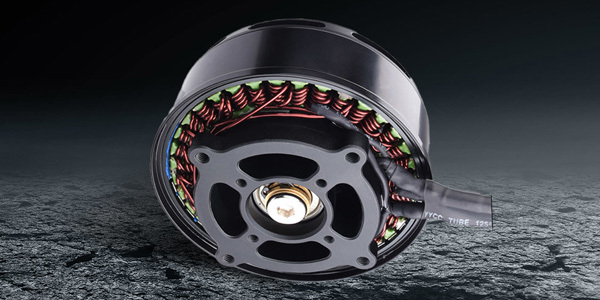
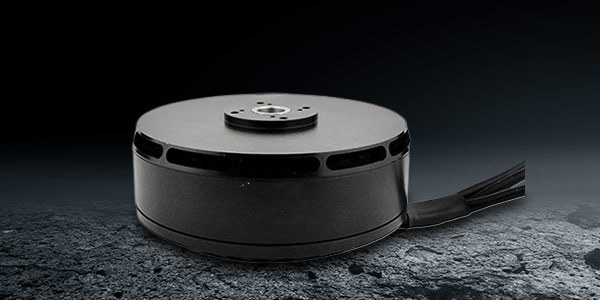
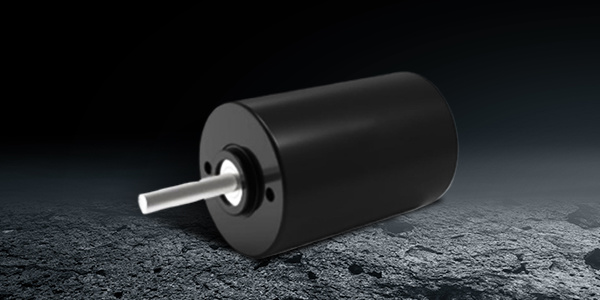
Brushless motors have become the gold standard in drone design due to their **superior efficiency** and longevity. Unlike traditional brushed motors, brushless motors reduce friction and wear, allowing for smoother operation and lower power consumption. This efficiency not only extends flight times but also improves overall performance, making them ideal for various drone applications.
3.2 Advanced Materials: Reducing Weight, Increasing Power
The choice of materials in drone motor construction has a direct impact on performance. Advances in lightweight materials, such as carbon fiber and advanced alloys, enable engineers to design motors that are both powerful and lightweight. This reduction in weight contributes to better flight dynamics and efficiency, allowing drones to achieve higher speeds and carry larger payloads.
3.3 AI and Machine Learning in Motor Design
Artificial intelligence (AI) and machine learning are beginning to play a pivotal role in the design of drone motors. These technologies facilitate **optimization of motor performance** by analyzing vast amounts of data. Engineers can simulate various scenarios, predict motor behavior, and fine-tune designs to achieve optimal efficiency and reliability. The integration of AI also aids in predictive maintenance, ensuring motors operate at peak performance.
4. Applications of Flying Drone Motors
The versatility of flying drone motors opens doors to a wide range of applications across different sectors.
4.1 Commercial Drones: Revolutionizing Industries
In the commercial sector, drones equipped with advanced motors are transforming industries such as delivery services, aerial photography, and surveillance. Companies like Amazon and UPS are investing heavily in drone delivery systems that rely on cutting-edge motors for swift and efficient operations. These drones not only reduce delivery times but also minimize operational costs, benefiting businesses and consumers alike.
4.2 Military and Defense: The Role of Drones in Modern Warfare
Military applications of drone technology have surged, with drone motors enabling sophisticated aerial surveillance, reconnaissance, and combat operations. The ability to deploy unmanned aerial vehicles (UAVs) equipped with powerful motors has revolutionized defense strategies, allowing for real-time data collection and strategic planning without risking human lives.
4.3 Agricultural Drones: Enhancing Crop Management
Agricultural drones are another notable application of flying drone motors. Equipped with specialized sensors and imaging technology, these drones assist farmers in monitoring crop health, optimizing irrigation, and managing resources efficiently. The motors that power these drones provide the necessary lift and maneuverability, ensuring precise execution of agricultural tasks.
5. The Future of Drone Motor Technology
As drone technology continues to advance, the future of drone motors is bright, with several exciting trends emerging.
5.1 Emerging Trends in Drone Motor Development
Research and development in drone motors are focused on enhancing power-to-weight ratios, increasing battery efficiency, and integrating renewable energy sources. Innovations such as hybrid motors that combine electric and fuel-based power systems are being explored to further extend operational range and reduce environmental impact.
5.2 The Role of Sustainability in Future Designs
Sustainability is becoming a key consideration in the design of drone motors. Manufacturers are increasingly prioritizing eco-friendly materials and energy-efficient designs to minimize the environmental footprint of drones. This shift not only aligns with global sustainability goals but also appeals to environmentally conscious consumers.
6. Challenges Facing Drone Motor Innovation
Despite the advancements in drone technology, several challenges remain.
6.1 Regulatory Hurdles and Safety Concerns
The rapid growth of drones has prompted regulatory bodies to establish guidelines to ensure safety and compliance. Navigating these regulations can be challenging for manufacturers and operators, particularly as they relate to drone motor performance and safety standards.
6.2 Technological Limitations and Solutions
While innovations abound, technological limitations still exist, particularly concerning battery life and power output. Ongoing research into next-generation battery technologies, such as solid-state batteries, presents promising solutions to enhance motor performance and extend flight times.
7. FAQs About Flying Drone Motors
What type of motor is best for drones?
Brushless motors are widely regarded as the best choice for drones due to their efficiency, durability, and performance characteristics.
How do drone motors affect flight time?
The efficiency and power output of a drone motor directly influence flight time; more efficient motors can extend flight duration by consuming less power during operation.
What advancements are being made in drone motor technology?
Recent advancements include the use of AI for optimization, lightweight materials for enhanced performance, and hybrid power systems for increased operational range.
Are there specific motors for different drone types?
Yes, different types of drones, such as racing drones, agricultural drones, and commercial delivery drones, may require specialized motors tailored to their specific performance needs.
How can I maintain drone motors for optimal performance?
Regular maintenance, including cleaning, checking for wear, and ensuring proper calibration, can significantly enhance the longevity and performance of drone motors.
8. Conclusion
The innovations in flying drone motors are not just shaping the future of aerial technology; they are redefining industries, enhancing operational efficiency, and fostering sustainability. As we continue to explore the potential of these advancements, it is clear that flying drone motors will play a crucial role in the evolution of unmanned aerial systems, paving the way for a new era in technology and application. Emphasizing the importance of quality, efficiency, and sustainability will ensure that the drone industry not only thrives but also contributes positively to the world around us.
Previous: Understanding Brushless Motors in Flying Drones: The Key to Enhanced Performance
Next: Harnessing the Power of Drones in Electric Motor Applications


Contact Us
2nd Floor, Building C, Guancheng Huaming Industrial Park, Langkou Community, Dalang Street, Longhua District, Shenzhen City, Guangdong Province