







Oct 29,2025
Understanding Brushless Motors in Flying Drones: The Key to Enhanced Performance
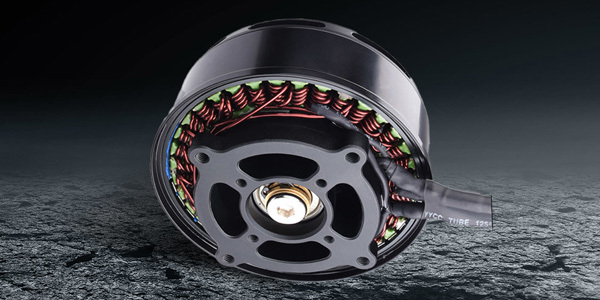
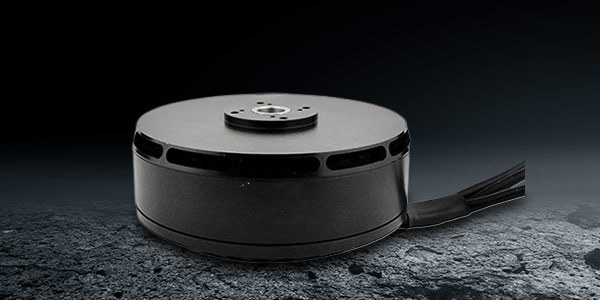
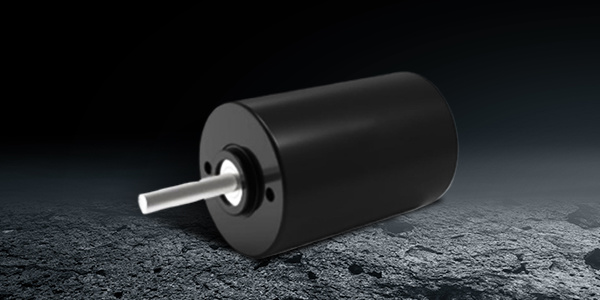
Brushless motors have become a cornerstone in the realm of flying drones, offering a range of advantages that significantly enhance the performance and efficiency of these aerial devices. Unlike traditional brushed motors, brushless motors operate without the friction and wear typically associated with brushes, leading to a longer lifespan and improved reliability. This characteristic is particula
One of the primary benefits of brushless motors in flying drones is their higher efficiency. These motors convert electrical energy into mechanical energy with minimal loss, allowing drones to achieve higher speeds and longer flight times. This efficiency is particularly important for applications requiring extended aerial operations, such as photography, surveying, or inspection tasks. With the capability to maintain stable flight even under varying loads, brushless motors facilitate smoother and more controlled maneuvers.
Another significant advantage of brushless motors is their reduced maintenance requirements. Since they lack brushes, there is no need for regular replacement or maintenance associated with wear and tear, ultimately lowering the total cost of ownership. This aspect is crucial for both hobbyists and professionals who depend on their drones for critical tasks and cannot afford downtime due to motor failures.
The operational principles behind brushless motors are also noteworthy. These motors utilize an electronic speed controller (ESC) to manage the power supplied to the motor coils, resulting in a controlled and efficient rotation. The ESC adjusts the timing of the current flowing through the coils, ensuring that the motor operates at optimal performance levels. This technology not only enhances the responsiveness of flying drones but also allows for precise control in various flying conditions.
Furthermore, brushless motors typically generate less heat compared to traditional motors, which is an essential factor for maintaining performance and extending the life of the drone. Less heat means that the motor can operate continuously without the risk of overheating, further supporting the idea of prolonged flight times and improved reliability.
In summary, the integration of brushless motors in flying drones has transformed the industry by providing improved efficiency, reduced maintenance, and enhanced performance. As drones become increasingly prevalent in various sectors, understanding the critical role of these motors can help users make informed decisions when selecting their aerial devices. Whether for recreational use or professional applications, brushless motors offer the technological edge needed to achieve remarkable flight experiences.
Previous: Elevate Your Projects: The Role of Flying Drone Power Kits in Special Motors
Next: Flying Drone Motors: Innovations Shaping the Future of Aerial Technology


Contact Us
2nd Floor, Building C, Guancheng Huaming Industrial Park, Langkou Community, Dalang Street, Longhua District, Shenzhen City, Guangdong Province