







Nov 01,2025
Brushed vs Brushless Motor: The Lowdown on Electric Power
Dive into the world of brushed vs brushless motors and discover which one suits your needs best.
Brushed vs Brushless Motor: The Showdown
So, you've stumbled upon the intriguing world of electric motors, huh? Whether you're building a DIY project, tinkering with a remote-controlled car, or considering a tool upgrade, understanding the difference between brushed vs brushless motor is essential. Let's break it down!
The Basics of Brushed Motors
First off, let's chat about brushed motors. These bad boys have been around for ages, and for good reason! A brushed motor uses—yep, you guessed it—brushes made of carbon to make contact with the rotor, creating the necessary magnetic field to get things moving. This setup is relatively simple, inexpensive, and offers decent torque at lower speeds.
Pros of Brushed Motors
- Cost-effective: They're cheaper to produce.
- Easy to control: Simple circuitry is all you need!
- Torque: Good low-speed torque makes them ideal for many applications.
Cons of Brushed Motors
- Wear and tear: Those brushes wear out over time, requiring replacement.
- Less efficient: They generate heat, which can lead to energy loss.
- Noisy: The friction between brushes and rotor often leads to a bit of noise.
The Rise of Brushless Motors
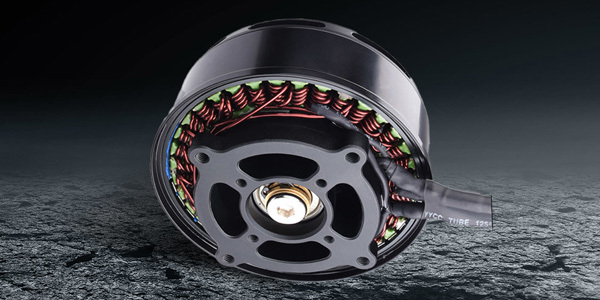
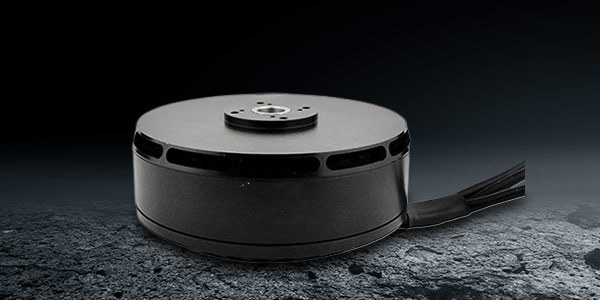
Now, let's shift gears and talk about brushless motors, which have become the darlings of the electric motor world. Instead of brushes, these motors use electronic controllers to manage the current flowing through the coils. This means fewer mechanical components to wear down and a whole lot more efficiency!
Pros of Brushless Motors
- Durability: No brushes means less wear and tear.
- Efficiency: They convert more electricity into motion, saving you energy.
- Quiet operation: Brushless motors typically run much quieter.
Cons of Brushless Motors
- Initial cost: They can be pricier upfront.
- Complexity: More complicated electronic controllers are needed.
- Heat management: They can generate heat and require cooling solutions.
Brushed vs Brushless Motor: The Key Differences
Alright, let's cut to the chase! What's the real difference between these two motor types? Here's a quick comparison:
- Efficiency: Brushless motors take the cake here.
- Maintenance: Brushed motors require more TLC.
- Cost: Brushed motors are easier on the wallet initially.
- Control: Brushless motors offer advanced control options.
Which One Should You Choose?
It all boils down to your specific needs. If you're looking for something budget-friendly for a simple project, brushed motors might be your best bet. However, if you're aiming for high performance, efficiency, and longevity, brushless motors will serve you better in the long run.
Final Thoughts
In the battle of brushed vs brushless motor, there's no clear winner—only the right choice for your project. Keep your goals in mind, weigh the pros and cons, and you'll surely land on the motor that's just right for you. Happy building!
Previous: The Essential Guide to Understanding Drone Power Systems for Electric Applications
Next: Essential Flying Drone Accessories for Enhanced Performance


Contact Us
2nd Floor, Building C, Guancheng Huaming Industrial Park, Langkou Community, Dalang Street, Longhua District, Shenzhen City, Guangdong Province