







Nov 01,2025
The Essential Guide to Understanding Drone Power Systems for Electric Applications
The Essential Guide to Understanding Drone Power Systems for Electric Applications In recent years, drones have soared in popularity across various sectors, from recreational flying to sophisticated electric applications. As the demand for these flying machines increases, understanding their power systems becomes essential. This guide delves deep into the mechanics of drone power systems, focusing
The Essential Guide to Understanding Drone Power Systems for Electric Applications
In recent years, drones have soared in popularity across various sectors, from recreational flying to sophisticated electric applications. As the demand for these flying machines increases, understanding their power systems becomes essential. This guide delves deep into the mechanics of drone power systems, focusing on electric applications while exploring the components, technologies, and trends that shape the future of this exciting field.
Table of Contents
- 1. Introduction to Drone Power Systems
- 2. Understanding Electric Applications in Drones
- 3. Key Components of Drone Power Systems
- 4. Motor Types and Their Applications
- 5. Power Management Systems for Drones
- 6. Batteries and Energy Sources in Drones
- 7. Efficiency Optimization in Drone Power Systems
- 8. Future Trends in Drone Power Systems
- 9. Conclusion
- 10. Frequently Asked Questions
1. Introduction to Drone Power Systems
The heart of any drone is its power system. Understanding how these systems function is crucial for anyone involved in the drone industry, particularly in electric applications. Drone power systems encompass everything from the initial energy source to the motors that drive propellers. By exploring the intricacies of these systems, we can appreciate how they impact everything from flight time to performance and efficiency.
2. Understanding Electric Applications in Drones
Electric applications for drones include a wide range of uses, from aerial photography to agricultural monitoring. Electric-powered drones are particularly advantageous due to their efficiency, reduced noise, and lower environmental impact. Understanding how electric power systems support these applications is key to maximizing their potential.
2.1 Advantages of Electric Drones
Electric drones offer numerous benefits, including:
- Lower Operational Costs: Electric systems reduce fuel costs and maintenance.
- Quiet Operation: The absence of combustion engines minimizes noise pollution.
- Eco-friendly: Electric drones produce fewer emissions, making them better for the environment.
- Ease of Use: Electric drones are often more user-friendly and easier to operate.
3. Key Components of Drone Power Systems
Drone power systems consist of several critical components that work together to ensure optimal performance. Understanding these components will help users troubleshoot issues and enhance their drone's capabilities.
3.1 Electric Motors
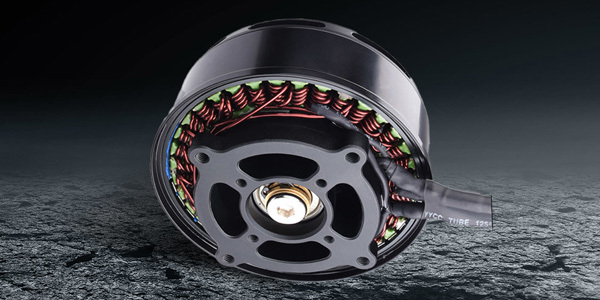
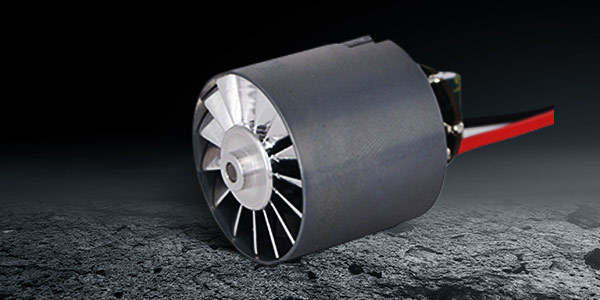
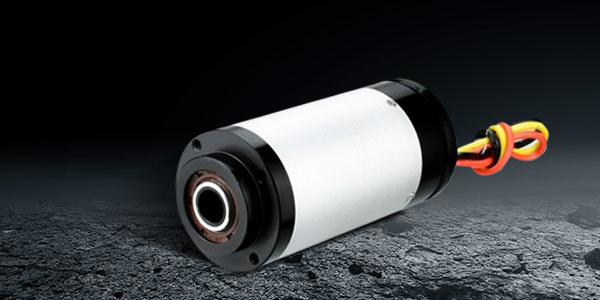
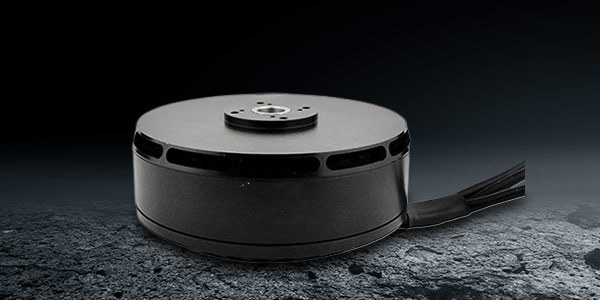
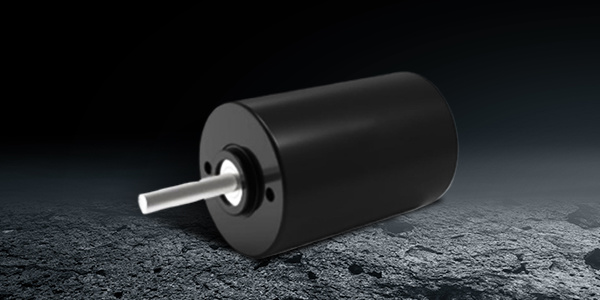
Electric motors are the backbone of drone power systems. They convert electrical energy into mechanical energy to drive the propellers. The choice of motor significantly impacts a drone's thrust, speed, and overall efficiency. High-quality motors are essential for achieving the desired performance.
3.2 Electronic Speed Controllers (ESC)
ESCs regulate the speed of the electric motors by controlling the amount of electrical energy supplied to them. They ensure smooth acceleration and deceleration, enhancing flight stability. Selecting the appropriate ESC is crucial for matching it with the motor's specifications.
3.3 Propellers
Propellers are critical for generating lift. The size and pitch of the propellers directly influence a drone's flight characteristics. A well-matched propeller can optimize efficiency and stability during flight.
4. Motor Types and Their Applications
There are primarily two types of electric motors used in drone applications: brushed and brushless motors. Each has its advantages and disadvantages, making them suitable for different applications.
4.1 Brushed Motors
Brushed motors are simpler and typically less expensive. They are easier to control, making them suitable for beginners. However, they tend to have shorter lifespans and greater maintenance needs due to wear and tear on the brushes.
4.2 Brushless Motors
Brushless motors offer higher efficiency, longer lifespan, and less maintenance. They are commonly used in professional-grade drones that require high performance and reliability. While more expensive, their benefits often outweigh the costs.
5. Power Management Systems for Drones
Effective power management is a critical aspect of drone operation. It ensures that energy is distributed efficiently, maximizing flight time and performance. Key elements of power management systems include:
5.1 Battery Management Systems (BMS)
BMS monitors the health and performance of the battery, ensuring safe operation. It helps prevent overcharging and overheating, extending battery life.
5.2 Voltage Regulators
Voltage regulators maintain a consistent voltage level for the motors and electronics, ensuring stable performance. This stability is essential for preventing damage and optimizing efficiency.
6. Batteries and Energy Sources in Drones
The choice of battery can significantly impact a drone's performance. Here, we will explore the most common types of batteries used in electric drones.
6.1 Lithium Polymer (LiPo) Batteries
LiPo batteries are the most popular choice for electric drones due to their high energy density and lightweight nature. They offer excellent discharge rates, allowing for better performance during flights.
6.2 Lithium-Ion (Li-Ion) Batteries
While heavier than LiPo batteries, Li-Ion batteries provide higher capacity and longer lifespan. They are ideal for applications requiring extended flight durations.
6.3 Emerging Energy Sources
Innovations in battery technology, such as solid-state batteries and hydrogen fuel cells, are gaining attention. These emerging technologies promise even greater efficiency and sustainability for future drones.
7. Efficiency Optimization in Drone Power Systems
Optimizing the efficiency of drone power systems is vital for maximizing flight time and performance. Several strategies can help achieve this:
7.1 Weight Reduction
Minimizing a drone's weight can significantly enhance its efficiency. Using lightweight materials for the frame and components helps in reducing energy consumption.
7.2 Aerodynamic Design
Improving a drone's aerodynamic design can reduce drag and increase flight efficiency. Streamlined shapes and optimized propeller designs can enhance overall performance.
7.3 Smart Power Management
Implementing smart power management algorithms can optimize energy consumption during flight. These algorithms can adapt to flight conditions, ensuring efficient use of battery power.
8. Future Trends in Drone Power Systems
The drone industry is rapidly evolving, with numerous trends shaping the future of power systems. Understanding these trends will be essential for staying ahead in the market.
8.1 Autonomous Drones
As autonomous drones become more prevalent, power systems must adapt to support advanced navigation and control technologies. Efficient power management will play a crucial role in ensuring these systems operate seamlessly.
8.2 Sustainable Energy Solutions
The push for sustainability in the drone industry is leading to innovations in renewable energy sources. Solar-powered drones and energy-efficient designs are gaining traction, promising a greener future.
8.3 Integration with IoT
Integrating drones with the Internet of Things (IoT) will enhance their functionalities. Smart power systems can collect and analyze data, optimizing performance based on real-time conditions.
9. Conclusion
Understanding drone power systems for electric applications is essential for anyone involved in this burgeoning field. The interplay between electric motors, batteries, and power management systems determines a drone's efficiency and performance. As technology advances, staying informed about emerging trends will enable users to optimize their operations and harness the full potential of drone technology.
10. Frequently Asked Questions
Q1: What are the main components of a drone power system?
A1: The main components include electric motors, electronic speed controllers (ESC), propellers, batteries, and power management systems.
Q2: How do brushless motors differ from brushed motors?
A2: Brushless motors are more efficient, have a longer lifespan, and require less maintenance compared to brushed motors, which are simpler and less expensive.
Q3: What type of battery is best for electric drones?
A3: Lithium Polymer (LiPo) batteries are the most popular due to their high energy density and lightweight nature, making them ideal for drones.
Q4: How can I optimize my drone's efficiency?
A4: You can optimize efficiency by reducing weight, enhancing aerodynamic design, and implementing smart power management strategies.
Q5: What are the future trends in drone power systems?
A5: Future trends include the rise of autonomous drones, sustainable energy solutions, and integration with IoT for enhanced functionalities.
Previous: Understanding Drone Brushless Motors: The Heart of Modern UAVs
Next: Essential Flying Drone Accessories for Enhanced Performance


Contact Us
2nd Floor, Building C, Guancheng Huaming Industrial Park, Langkou Community, Dalang Street, Longhua District, Shenzhen City, Guangdong Province