







Nov 02,2025
Understanding Drone Brushless Motors: The Heart of Modern UAVs
--- Drone technology has revolutionized various industries, from aerial photography to agriculture, and at the heart of these remarkable flying machines are drone brushless motors. Understanding these motors is essential for professionals working in the electrical and electronic sectors, particularly those focused on special motors. Brushless motors, as the name implies, eliminate the need for br
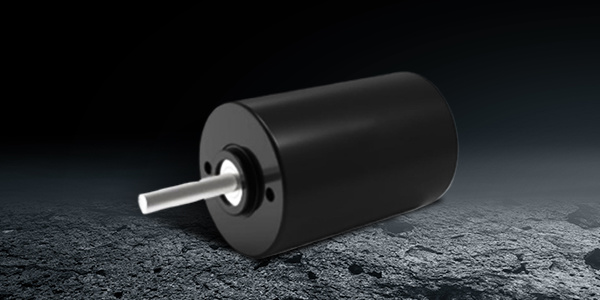
Drone technology has revolutionized various industries, from aerial photography to agriculture, and at the heart of these remarkable flying machines are drone brushless motors. Understanding these motors is essential for professionals working in the electrical and electronic sectors, particularly those focused on special motors.
Brushless motors, as the name implies, eliminate the need for brushes, which are commonly found in traditional brushed motors. Instead, they use electronic controllers to manage the speed and torque of the motor. This design not only enhances efficiency but also significantly reduces wear and tear over time, leading to a longer lifespan and lower maintenance requirements.
One of the primary advantages of drone brushless motors is their superior performance. They offer higher power-to-weight ratios, which is crucial for drones that need to be lightweight yet powerful enough to carry various payloads. This efficiency translates to improved battery life and better overall flight performance. Additionally, brushless motors provide smoother operation, contributing to enhanced stability during flight, which is particularly important for applications requiring precision, such as aerial photography or surveying.
When selecting drone brushless motors, professionals should consider several factors. First, the motor's Kv rating, which indicates the RPM per volt, is critical when determining how quickly a motor can spin and the type of propeller it can efficiently drive. A higher Kv rating is suitable for racing drones that require quick accelerations, while lower Kv ratings are ideal for heavy-lift drones that prioritize stability and efficiency over speed.
Another essential aspect is the motor size and weight. The size should correspond to the drone's design and intended use. For instance, a compact drone may require smaller motors, while larger drones meant for carrying significant payloads will benefit from larger, more powerful brushless motors.
Moreover, the choice of the electronic speed controller (ESC) is vital in optimizing the motor's performance. The ESC must be compatible with the motor and capable of handling its current draw. A well-matched ESC ensures that the motor operates efficiently and responds rapidly to changes in input, enhancing the responsiveness and agility of the drone.
In conclusion, drone brushless motors are indispensable for the performance and efficiency of modern UAVs. Their ability to provide high power, longevity, and smooth operation makes them the preferred choice for various applications. Understanding the intricacies of these motors empowers professionals in the electrical engineering field to make informed decisions when designing or selecting components for their drone projects. Embracing this knowledge can lead to significant advancements in drone technology and its applications across numerous industries.
Previous: How High Torque Drone Motors Enhance Aerial Photography for Stunning Visuals
Next: The Essential Guide to Understanding Drone Power Systems for Electric Applications


Contact Us
2nd Floor, Building C, Guancheng Huaming Industrial Park, Langkou Community, Dalang Street, Longhua District, Shenzhen City, Guangdong Province