







Nov 07,2025
Unraveling the Mystery: How Does a Brushless Motor Work?
Discover the inner workings and advantages of brushless motors in this engaging article. Learn how does a brushless motor work!
What is a Brushless Motor?
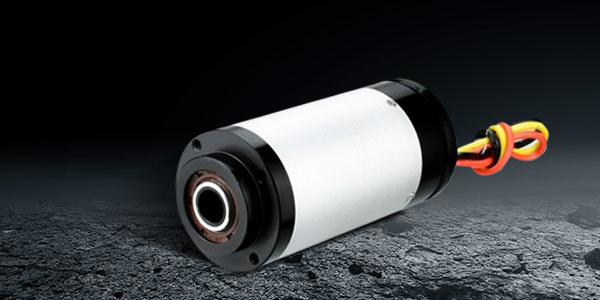
Ever heard someone rave about the efficiency of brushless motors? You're not alone! Brushless motors are gaining traction in various fields—from electric vehicles to drones. But what exactly makes them tick? In this article, we'll delve into the nuts and bolts of these fascinating devices.
The Basics of Motor Types
Before we dive into how does a brushless motor work, let's take a step back. Motors generally fall into two categories: brushed and brushless. Brushed motors use, you guessed it, brushes to transfer electricity. But with brushless motors, things take a different turn—literally!
How Does a Brushless Motor Work?
So, how does a brushless motor work? Well, these nifty devices use an electronic controller to manage the flow of electricity to the motor windings. Unlike their brushed cousins, they lack physical brushes, which means less friction and wear. This translates into improved efficiency and longevity. Isn't that neat?
Components of a Brushless Motor
Let's break it down a bit more. A brushless motor typically consists of three main components:
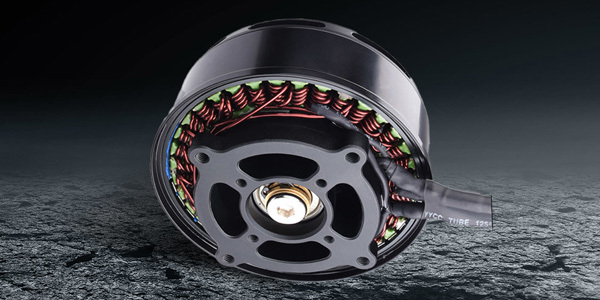
- Stator: This is the stationary part of the motor, equipped with multiple coils of wire.
- Rotor: The rotor is the rotating segment, often featuring permanent magnets.
- Electronic Controller: This little gem is responsible for switching the current to the motor coils in sync with the rotor's position.
The Working Mechanism
Now that we know the parts, let's talk about how they work together. The electronic controller sends voltage to the stator coils in a specific sequence. This creates a rotating magnetic field that pulls the rotor around. As the rotor turns, the controller continuously adjusts the current to keep things moving smoothly. Voilà! You've got yourself a functioning brushless motor.
Advantages of Brushless Motors
Alright, let's not beat around the bush—why should you care about brushless motors? Here's the scoop:
- Efficiency: With less friction, brushless motors convert more electrical energy into mechanical energy.
- Longevity: Fewer moving parts mean less wear and tear, resulting in a longer lifespan.
- Less Noise: Say goodbye to the whirring and grinding sounds of traditional motors. Brushless motors are super quiet!
Applications in the Real World
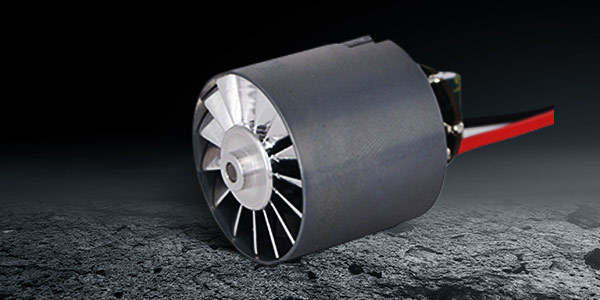
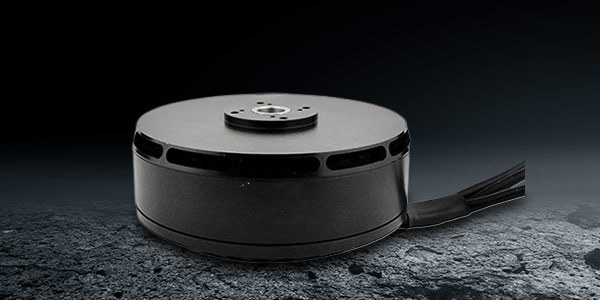
From power tools to electric bikes, brushless motors are everywhere! In the automotive industry, they're crucial for electric and hybrid vehicles. Drones? Yep, they rely on brushless motors for smooth flight. Even your favorite gadgets might be using these motors without you even realizing it!
The Future of Brushless Technology
As technology continues to advance, the applications for brushless motors are expanding. With growing interest in renewable energy and electric vehicles, you can bet that these efficient motors will play a significant role in the future. Exciting times ahead, right?
Final Thoughts
To sum it all up, brushless motors are a game-changer in the world of machinery. Understanding how does a brushless motor work not only adds to your knowledge but also gives you a glimpse into the future of technology. So next time you hear about brushless motors, you can confidently say, “I know how they work!” How cool is that?
Previous: Top 5 Factors to Consider When Selecting Flying Drone Motors
Next: Unleashing the Power of Drones in Electrical Engineering: A New Horizon for Motor Applications


Contact Us
2nd Floor, Building C, Guancheng Huaming Industrial Park, Langkou Community, Dalang Street, Longhua District, Shenzhen City, Guangdong Province