







Nov 07,2025
Top 5 Factors to Consider When Selecting Flying Drone Motors
Top 5 Factors to Consider When Selecting Flying Drone Motors When it comes to building or upgrading a flying drone, the selection of the motor is crucial. The right motor can enhance the performance, flight time, and maneuverability of your drone. Below, we delve into the **top five factors** that should influence your choice of flying drone motors, ensuring your drone operates efficiently and eff
Top 5 Factors to Consider When Selecting Flying Drone Motors
When it comes to building or upgrading a flying drone, the selection of the motor is crucial. The right motor can enhance the performance, flight time, and maneuverability of your drone. Below, we delve into the **top five factors** that should influence your choice of flying drone motors, ensuring your drone operates efficiently and effectively.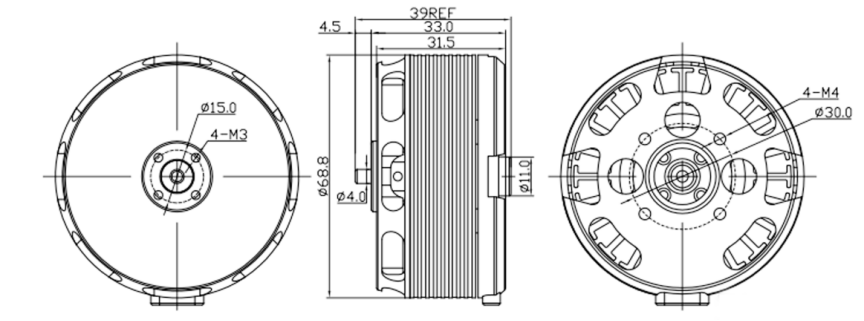
1. Understand the Motor Types for Drones
Knowing the different types of motors available is the first step in making a wise choice. The two primary types of motors used in drones are brushed and brushless motors.
Brushed Motors
Brushed motors are generally simpler in construction and are typically less expensive. They are known for their ease of use and straightforward design, which makes them suitable for beginners. However, brushed motors tend to wear out faster, leading to decreased efficiency over time. They are better suited for smaller, less demanding drone applications.
Brushless Motors
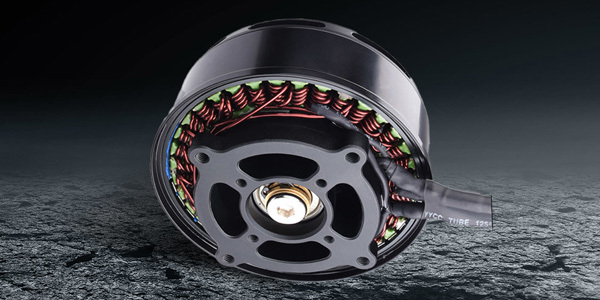
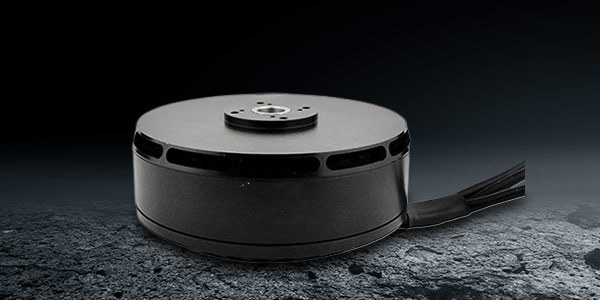
Brushless motors are the preferred choice for most professional and hobbyist drone applications. They are more efficient, boast a longer lifespan, and offer better performance compared to brushed motors. Brushless motors utilize electronic speed controllers (ESC) that allow for more precise control over the drone’s movements, making them ideal for aerial photography, racing, and other demanding tasks.
2. Consider the Motor Size and Thrust
Motor size is a critical factor that directly correlates with the thrust produced. The right motor size will depend on your drone's weight and intended use.
Thrust-to-Weight Ratio
Calculating the thrust-to-weight ratio is essential for determining whether a motor can adequately lift and maneuver your drone. A good rule of thumb is to aim for a thrust-to-weight ratio of at least 2:1 for optimal performance. This means your motors should be able to produce twice the thrust of your drone’s total weight, ensuring sufficient lift and agility during flight.
Motor Dimensions
The physical dimensions of the motor, including its diameter and length, play a significant role in compatibility with the drone frame and propulsion system. Ensure that you choose a motor that fits well within your drone’s design without compromising its structural integrity or aerodynamic efficiency.
3. Evaluate Motor Efficiency and Power Consumption
Efficiency is another critical factor to consider. An efficient motor will offer better performance while consuming less power, ultimately leading to longer flight times.
Efficiency Ratings
Motor efficiency is typically measured in terms of watts per kilogram (W/kg). Higher efficiency ratings indicate that the motor can produce more thrust per unit of power consumed. When selecting a motor, look for detailed specifications that outline the efficiency ratings for different operating conditions.
Power Consumption
Understanding the power consumption of the motor is vital for matching it with the battery capacity of your drone. High power consumption can lead to quicker battery drain, impacting your drone’s flight time. Consider motors that offer a balance between performance and power consumption for optimal flight times.
4. Assess Compatibility with Electronics and Flight Controllers
Ensuring compatibility between the motor and other electronic components of your drone is crucial for seamless operation.
Electronic Speed Controllers (ESC)
The ESC is responsible for regulating the speed of the drone motors. When selecting a motor, make sure it is compatible with the ESC you plan to use. The ESC must match the motor's voltage and current specifications to prevent overheating and potential failure.
Flight Controllers
Your choice of motor should harmonize with the drone’s flight controller. A compatible motor will ensure better response times and improved flight stability. Research the specifications of your flight controller and ensure that it can adequately handle the motor's output.
5. Analyze Cost vs. Performance Value
While price should never be the sole determining factor, analyzing the cost against performance is essential for making a wise investment.
Budget Considerations
Establish a budget that takes into account not just the motor cost but also additional components like the ESC, battery, and any necessary modifications to the drone frame. Cheap motors may save money upfront but could compromise performance and longevity.
Long-term Investment
When evaluating the cost, consider the long-term value of the motor. Investing in a high-quality brushless motor may lead to better performance and fewer replacements over time, ultimately saving you money in the long run.
Conclusion
Choosing the right motor for your flying drone is a multifaceted decision that requires careful consideration of various factors, including motor types, size, thrust, efficiency, compatibility, and cost. By taking the time to evaluate these elements, you can enhance your drone’s performance and ensure a successful flying experience. Whether you opt for a brushed or brushless motor, aligning your selection with your specific needs will lead to better results and a more enjoyable flying experience.
FAQs
1. What is the difference between brushed and brushless motors?
Brushed motors are simpler and generally less expensive, but they wear out faster. Brushless motors are more efficient, last longer, and offer better performance, making them the preferred choice for most drones.
2. How do I determine the right motor size for my drone?
You can determine the right motor size by calculating the thrust-to-weight ratio. Aim for at least a 2:1 ratio for optimal performance.
3. How does motor efficiency impact flight time?
Higher motor efficiency means more thrust per unit of power consumed, leading to longer flight times as the battery lasts longer.
4. What should I consider when pairing a motor with an ESC?
Ensure that the ESC matches the motor's voltage and current specifications for optimal performance and to prevent overheating.
5. Is it worth investing in high-quality motors for my drone?
Yes, investing in high-quality motors can lead to better performance, longevity, and fewer replacements, saving you money in the long run.
By carefully considering these factors and conducting thorough research, you can select the ideal motor that enhances your drone's capabilities and provides an exceptional flying experience.
Previous: Understanding Brushless Motors for Flying Drones: Key Insights and Technical Considerations
Next: Unleashing the Power of Drones in Electrical Engineering: A New Horizon for Motor Applications


Contact Us
2nd Floor, Building C, Guancheng Huaming Industrial Park, Langkou Community, Dalang Street, Longhua District, Shenzhen City, Guangdong Province