







Nov 08,2025
Understanding Brushless Motors for Flying Drones: Key Insights and Technical Considerations
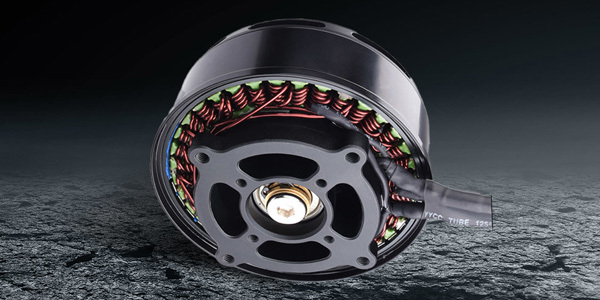
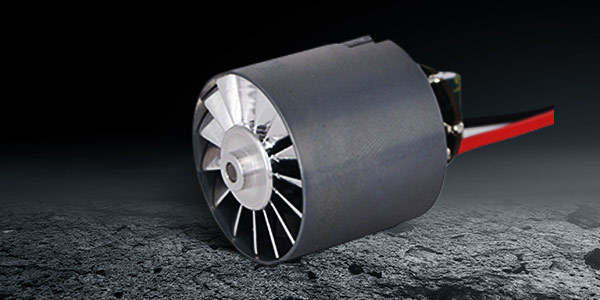
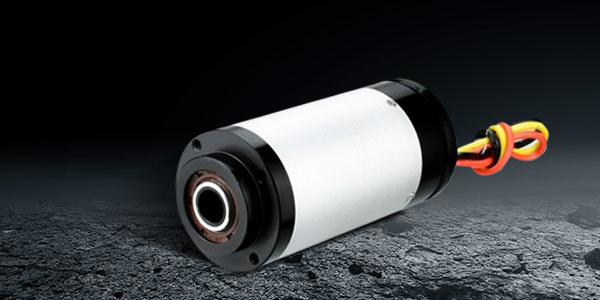
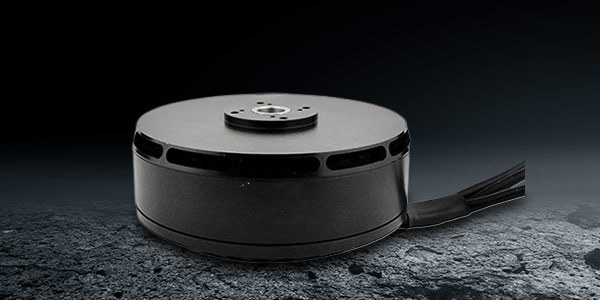
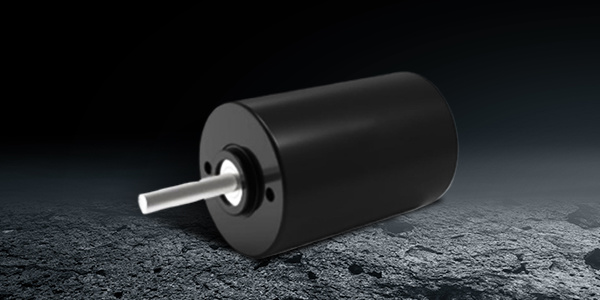
Flying drones have revolutionized various industries, and one of the key technological components that enable their exceptional performance is the brushless motor. Unlike traditional brushed motors, brushless motors do not rely on physical brushes for commutation, which results in several advantages that make them particularly well-suited for aerial applications. **Efficiency and Performance** B
**Efficiency and Performance**
Brushless motors are known for their high efficiency, which is crucial for the extended flight times required in drone operations. The absence of brushes reduces friction and energy loss, allowing for greater power-to-weight ratios. This efficiency means that drones can fly longer distances and carry more payloads without compromising performance.
**Durability and Maintenance**
Another significant benefit of brushless motors is their durability. The lack of brushes means less wear and tear, resulting in a longer lifespan and reduced maintenance requirements. For professionals in the electric and motor sectors, this translates to lower operational costs and increased reliability, essential for commercial applications such as aerial photography and surveying.
**Control and Precision**
Brushless motors offer superior control and precision, which are vital for flying drones that require exact maneuvers. Modern drone designs often incorporate electronic speed controllers (ESCs) that regulate the power supplied to the motors, enabling smooth acceleration and deceleration. This level of control enhances the flying experience, allowing for intricate aerial maneuvers that are crucial for specific tasks.
**Selection Criteria**
When selecting brushless motors for drones, several technical factors must be considered. The motor's Kv rating (RPM per volt) is a critical specification that affects the thrust-to-weight ratio and the overall performance of the drone. Additionally, the motor size and weight must match the drone's frame to ensure an optimal balance. Professionals should also consider the type of ESC used, as compatibility can significantly influence the motor's performance.
**Cooling and Thermal Management**
Brushless motors generate heat during operation, and effective thermal management is crucial for maintaining performance and longevity. Integrating cooling solutions, such as heatsinks or airflow management, can help dissipate heat and improve motor reliability, especially during extended flight sessions.
In summary, brushless motors are indispensable components of flying drones, offering efficiency, durability, precision, and ease of maintenance. By understanding the technical aspects and selection criteria, professionals in the electrical and motor industry can make informed decisions that enhance drone performance and reliability. As drone technology continues to evolve, the importance of high-quality brushless motors will only grow, solidifying their role in the future of aerial applications.
Previous: Why Every Electrician Should Consider Flying Drone Power Kits
Next: Top 5 Factors to Consider When Selecting Flying Drone Motors


Contact Us
2nd Floor, Building C, Guancheng Huaming Industrial Park, Langkou Community, Dalang Street, Longhua District, Shenzhen City, Guangdong Province