







Nov 11,2025
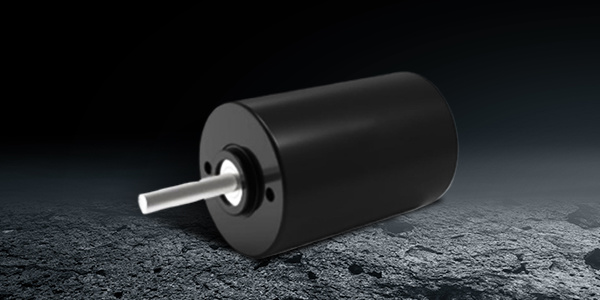
Unveiling the Mystery: What is a Brushless Motor?
Discover the ins and outs of brushless motors, their advantages, and applications in this engaging article.
What is a Brushless Motor?
Ever wondered about the buzz surrounding brushless motors? Well, you're in for a treat! These nifty devices are all the rage in today's tech world. So, let's dive into the nitty-gritty and answer the question: what is a brushless motor?
The Basics: Understanding Brushless Motors
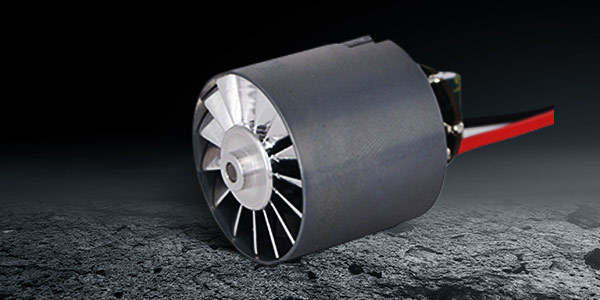
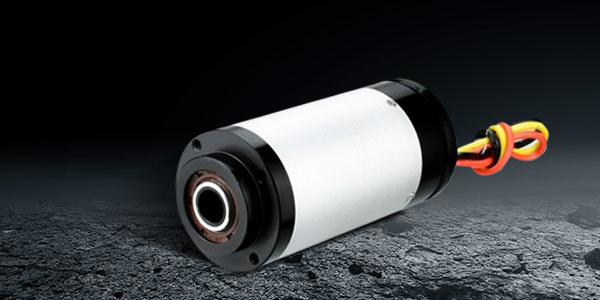
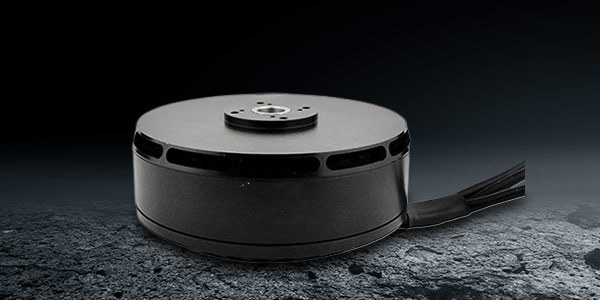
To kick things off, a brushless motor is essentially an electric motor that operates without brushes. Shocking, right? Traditional motors use brushes to transfer electricity to the rotor, but that can lead to wear and tear. Brushless motors, on the other hand, utilize electronic controllers, making them more efficient and longer-lasting.
How Do They Work?
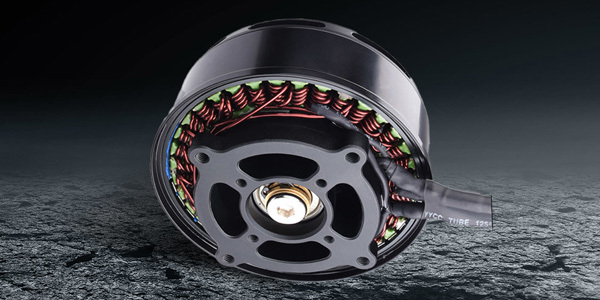
Now, let's break it down. In a brushless motor, the rotor (the part that spins) is placed inside a magnetic field created by permanent magnets. The stator, the stationary part, is where the magic happens with the electronic controller. This controller sends electrical pulses to the stator windings in a sequence, which keeps the rotor spinning smoothly. It's like a perfectly choreographed dance, and the result? Enhanced performance!
Benefits Galore!
So, why should you care about brushless motors? Well, they come with a laundry list of advantages:
- Efficiency: Brushless motors are way more efficient than their brushed counterparts. This means less energy wasted and more power to you!
- Longevity: With no brushes to wear out, these motors can last significantly longer. Talk about a good investment!
- Low Maintenance: Less wear and tear means less maintenance. You can say goodbye to those pesky repairs!
- Quiet Operation: Quiet as a mouse! Brushless motors operate with significantly less noise, which is a bonus in many applications.
Where Are They Used?
Brushless motors are popping up everywhere, and for good reason. You'll find them in everything from electric vehicles to drones, and even in household appliances! For instance:
- Electric Vehicles: These motors are a game-changer in the EV world, providing the efficiency and power needed for performance.
- Robotics: Brushless motors are often the heart of robotic systems, offering precision and reliability.
- Consumer Electronics: Think about your computer fans and hard drives; many use brushless motors for efficient operation.
Drawbacks to Consider
Now, before you jump on the brushless bandwagon, let's not ignore the downsides. One key drawback is the initial cost. They can be pricier than traditional brushed motors, but many argue the long-term savings outweigh the initial investment. Plus, the complexity of the electronic controllers can be a bit daunting for DIY enthusiasts.
Final Thoughts
So, there you have it! The answer to the burning question: what is a brushless motor? It's a remarkable piece of technology that brings efficiency, longevity, and versatility to the table. As we continue to innovate, brushless motors are set to play a crucial role in the future of technology. Whether you're an engineer, a hobbyist, or just a curious mind, understanding these motors can open up a world of possibilities!
Previous: Unlocking Efficiency: The Critical Role of Drone Power Systems in Modern Aviation
Next: Essential Flying Drone Accessories for Enhanced Performance


Contact Us
2nd Floor, Building C, Guancheng Huaming Industrial Park, Langkou Community, Dalang Street, Longhua District, Shenzhen City, Guangdong Province