







Nov 11,2025
Unlocking Efficiency: The Critical Role of Drone Power Systems in Modern Aviation
Unlocking Efficiency: The Critical Role of Drone Power Systems in Modern Aviation Table of Contents Introduction to Drone Power Systems Understanding Drone Power Systems Types of Drone Power Systems Advantages of Drone Power Systems Applications of Drone Power Systems in Aviation The Future of Drone Power Systems Case Studies: Successful Implementations Challenges and Solutions in
Unlocking Efficiency: The Critical Role of Drone Power Systems in Modern Aviation
Table of Contents
- Introduction to Drone Power Systems
- Understanding Drone Power Systems
- Types of Drone Power Systems
- Advantages of Drone Power Systems
- Applications of Drone Power Systems in Aviation
- The Future of Drone Power Systems
- Case Studies: Successful Implementations
- Challenges and Solutions in Drone Power Systems
- Conclusion
- FAQs About Drone Power Systems
Introduction to Drone Power Systems
The advent of drone technology has revolutionized multiple sectors, from agriculture to surveillance. A critical component of this advancement is the **drone power system**. These systems not only determine the operational efficiency of drones but also influence their versatility and application scope. As the aviation industry pivots towards more sustainable and efficient technologies, understanding the intricacies of drone power systems becomes essential for stakeholders.
Understanding Drone Power Systems
Drone power systems primarily consist of the **energy source**, **power management system**, and **propulsion system**. The energy source can either be batteries, fuel cells, or hybrid systems, each offering unique advantages and limitations.
The Energy Source
Batteries are the most common energy sources for small to medium-sized drones. Lithium-polymer (LiPo) batteries are favored for their high energy density and light weight. However, they're limited by flight time and recharge cycles. On the other hand, fuel cells offer longer operational times and faster refueling, making them suitable for larger drones.
The Power Management System
This system regulates the distribution and consumption of energy within the drone. It ensures that the propulsion system receives adequate power while optimizing energy use for onboard equipment like cameras and sensors. Advanced power management systems can enhance efficiency by prioritizing power distribution based on real-time needs.
The Propulsion System
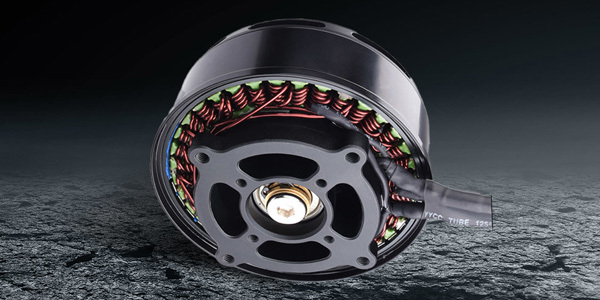
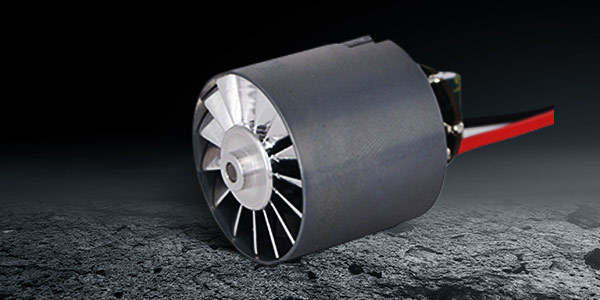
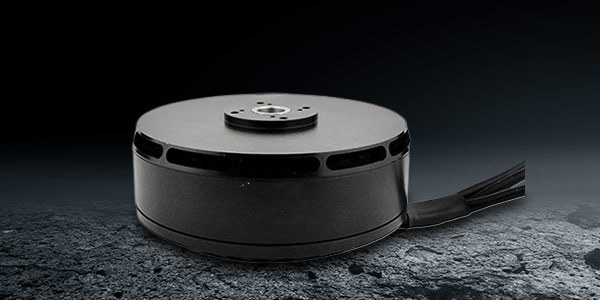
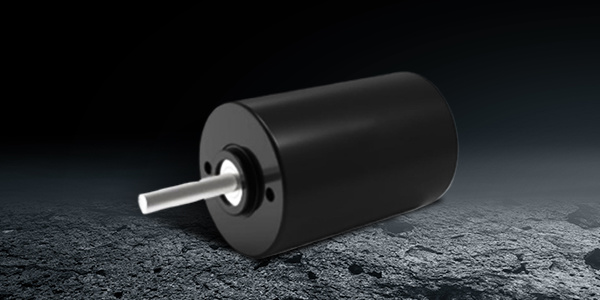
Propulsion systems convert electrical or chemical energy into mechanical energy to enable flight. Electric motors are common in most drones due to their efficiency and lower maintenance costs compared to internal combustion engines.
Types of Drone Power Systems
Various power systems exist for drones, each with specific applications and benefits:
Battery-Powered Systems
Battery-powered systems are ideal for short-range operations and smaller drones. They are easy to deploy and maintain but are limited by energy capacity, which restricts flight duration.
Fuel Cell Systems
Fuel cell systems provide extended flight times and can be refueled quickly, making them ideal for commercial applications that require endurance, such as delivery services and surveillance.
Hybrid Systems
Hybrid systems combine batteries and fuel cells to enhance operational flexibility. They can operate in a battery-only mode for short flights and switch to fuel cells for longer missions, optimizing efficiency throughout.
Advantages of Drone Power Systems
Investing in advanced drone power systems unlocks numerous advantages:
Enhanced Efficiency and Performance
Modern power systems are designed to maximize efficiency, reducing energy waste and extending flight times. This efficiency translates directly into cost savings for operators.
Environmental Sustainability
With the aviation industry increasingly focused on sustainability, drone power systems that utilize renewable energy sources can significantly reduce carbon footprints. Electric and hybrid models contribute to lower emissions compared to traditional aviation.
Versatility Across Applications
The adaptability of drone power systems allows them to serve diverse applications, from aerial photography to agricultural monitoring and emergency response. Each power system can be tailored to meet specific mission requirements.
Applications of Drone Power Systems in Aviation
The role of drone power systems extends far beyond mere flight; they enable groundbreaking applications in various domains:
Deliveries and Logistics
Drone delivery services are becoming increasingly viable, with companies utilizing drones equipped with efficient power systems to transport goods rapidly and cost-effectively.
Agricultural Monitoring and Management
Farmers leverage drone technology for crop monitoring, utilizing sophisticated sensors powered by advanced energy systems to gather real-time data, leading to improved yields and resource management.
Search and Rescue Operations
In emergencies, drones equipped with reliable power systems can be deployed quickly for search and rescue missions. Their ability to cover large areas efficiently can make a significant difference in critical situations.
The Future of Drone Power Systems
As drone technology continues to evolve, so will drone power systems. The future holds exciting trends:
Advancements in Battery Technology
Research into solid-state batteries promises to enhance energy density and safety, which can revolutionize the operational capacity of drones.
Integration of Artificial Intelligence
AI will play a pivotal role in optimizing power management systems. Smart algorithms will analyze flight patterns and energy consumption in real-time, improving overall efficiency.
Sustainability Innovations
The push for greener technologies will lead to more developments in biofuels and renewable energy sources for drone operations, aligning with global sustainability goals.
Case Studies: Successful Implementations
Examining real-world implementations of drone power systems can provide insights into their effectiveness and potential applications.
Case Study 1: Delivery Drones
A major logistics company implemented drone delivery services using electric-powered drones. With an innovative power management system, they achieved a 30% reduction in operational costs while improving delivery times.
Case Study 2: Agricultural Drones
A farm in California adopted hybrid drone technology to monitor crop health. By utilizing both battery and fuel cell systems, they successfully extended their operational range and improved data collection frequency.
Challenges and Solutions in Drone Power Systems
Despite the advantages, numerous challenges exist in optimizing drone power systems:
Battery Limitations
Current battery technologies limit flight times. Continuous research into new materials and chemistries seeks to enhance energy density and longevity.
Regulatory Hurdles
Navigating regulatory frameworks can impede the adoption of drone technology. Engaging with policymakers to establish clear guidelines can facilitate smoother integration into existing airspaces.
Technological Integration
Ensuring that all components of the drone power system work seamlessly can be challenging. Adopting standardized interfaces and protocols can enhance compatibility among various systems.
Conclusion
The importance of drone power systems in modern aviation cannot be overstated. As industries evolve and demand for innovative solutions grows, understanding and optimizing these power systems will be crucial for unlocking the full potential of drone technology. By embracing advancements in energy sources, power management, and propulsion systems, stakeholders can ensure that drones are not only efficient but also pivotal in achieving sustainable aviation practices.
FAQs About Drone Power Systems
1. What types of energy sources are used in drone power systems?
Drone power systems typically utilize lithium-polymer batteries, fuel cells, or hybrid systems to power their operations.
2. How do drone power systems improve operational efficiency?
Advanced power management systems optimize energy use and distribution within drones, extending flight times and reducing energy waste.
3. What are the advantages of using fuel cells in drone power systems?
Fuel cells provide longer operational times and quicker refueling capabilities compared to traditional battery systems, making them suitable for extensive applications.
4. Can drone power systems be used for commercial deliveries?
Yes, drone power systems are increasingly utilized in commercial delivery services, enabling rapid and cost-efficient transportation of goods.
5. What challenges do drone power systems face in implementation?
Common challenges include battery limitations, regulatory hurdles, and the need for technological integration among various components.
Previous: Understanding Drone Brushless Motors: The Heart of Modern UAVs
Next: Essential Flying Drone Accessories for Enhanced Performance


Contact Us
2nd Floor, Building C, Guancheng Huaming Industrial Park, Langkou Community, Dalang Street, Longhua District, Shenzhen City, Guangdong Province