







Nov 12,2025
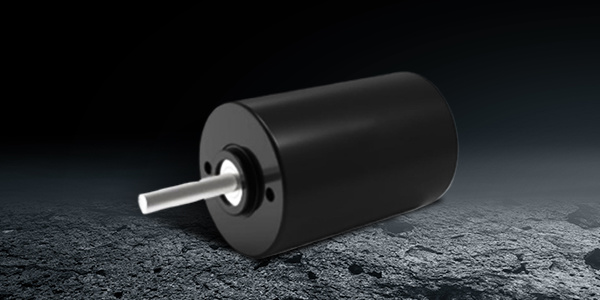
Understanding Drone Brushless Motors: The Heart of Modern UAVs
In the rapidly evolving field of drone technology, brushless motors have emerged as a pivotal component, drastically enhancing the performance and reliability of unmanned aerial vehicles (UAVs). Unlike traditional brushed motors, brushless motors utilize a different design that offers numerous advantages, making them the preferred choice for modern drones. Brushless motors operate on a princip
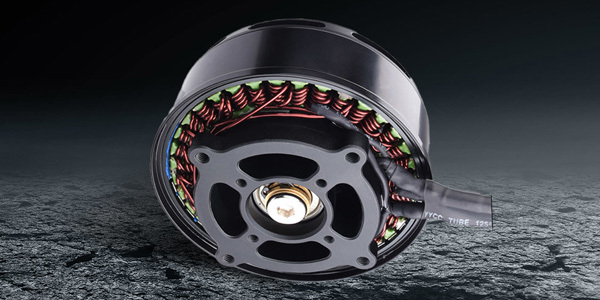
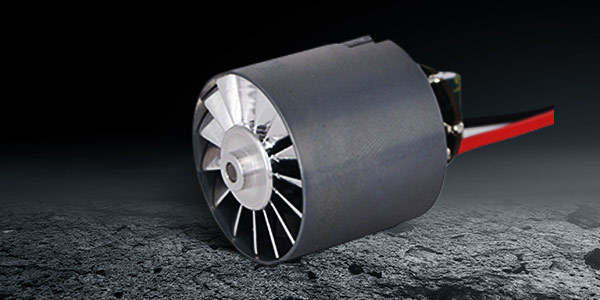
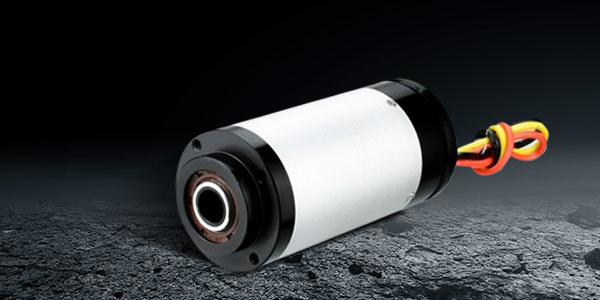
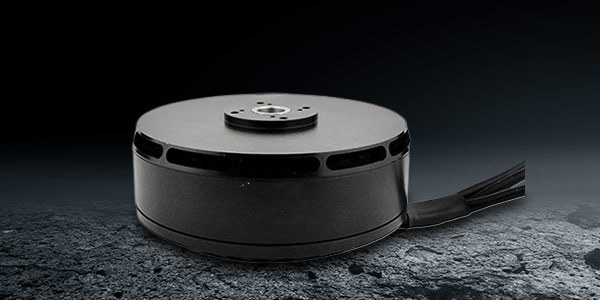
In the rapidly evolving field of drone technology, brushless motors have emerged as a pivotal component, drastically enhancing the performance and reliability of unmanned aerial vehicles (UAVs). Unlike traditional brushed motors, brushless motors utilize a different design that offers numerous advantages, making them the preferred choice for modern drones.
Brushless motors operate on a principle that eliminates the need for brushes and commutators, which are common in brushed motors. This fundamental difference results in several significant benefits. One of the most notable is increased efficiency. Brushless motors convert electrical energy into mechanical energy more effectively, which ultimately translates to longer flight times and lesser energy consumption. This efficiency is critical in applications ranging from aerial photography to agriculture, where extended operational time is paramount.
Moreover, brushless motors are known for their superior durability and reliability. The absence of brushes means reduced wear and tear, resulting in less maintenance over time. This characteristic is particularly important in drone applications, where reliability is essential for safety and operational success. Users can expect a longer lifespan from brushless motors, making them a cost-effective solution in the long run.
Another key advantage of drone brushless motors is their ability to provide higher power-to-weight ratios. This feature allows drones to achieve greater thrust while maintaining a lightweight design, crucial for aerial maneuvers and stability during flight. Additionally, brushless motors offer smoother operation and quieter performance, enhancing the user experience and reducing noise pollution in sensitive environments.
The control of brushless motors is also highly advanced. They require electronic speed controllers (ESC), which can precisely manage motor speed and direction. This level of control enhances maneuverability, allowing for more complex flight patterns and improved response times. Whether for racing drones or UAVs utilized for surveying and mapping, this precision contributes significantly to operational success.
In terms of application, the versatility of drone brushless motors cannot be overstated. They are utilized in various sectors, including entertainment, agriculture, logistics, and surveillance. Each industry benefits from the unique capabilities of brushless motors, tailoring their use to meet specific operational needs.
In conclusion, drone brushless motors represent a significant advancement in electric motor technology, enabling UAVs to perform more efficiently, reliably, and powerfully than ever before. Understanding these motors' technical aspects and advantages can help users make informed decisions when selecting components for their drone systems. As drone applications continue to expand, the importance of high-quality brushless motors will only grow, cementing their place as the backbone of modern drone technology.
Previous: Unraveling the Mystery: What Does Brushless Motor Mean?
Next: Unlocking Efficiency: The Critical Role of Drone Power Systems in Modern Aviation


Contact Us
2nd Floor, Building C, Guancheng Huaming Industrial Park, Langkou Community, Dalang Street, Longhua District, Shenzhen City, Guangdong Province