







Nov 15,2025
Brushless DC vs Brushed Motor: The Showdown of Efficiency and Performance
Explore the differences between brushless DC motors and brushed motors. Discover which one suits your needs better!
Understanding the Basics
When it comes to motors, the debate of brushless dc vs brushed motor is hotter than a summer day in Phoenix! These two types of electric motors are commonly used in various applications, from household appliances to high-performance vehicles. But what's the real difference? Let's break it down.
What is a Brushed Motor?
First up, we have the brushed motor. This classic design has been around for ages, and it works by using brushes that make contact with the commutator. This contact creates a magnetic field that turns the rotor. It's straightforward, reliable, and, let's be honest, a bit old-school. However, you might find it lacking in efficiency and lifespan.
Pros of Brushed Motors
- Cost-Effective: Generally cheaper to produce and purchase.
- Simplicity: Easier to set up and use for less complex applications.
- High Torque at Low Speeds: Good for applications requiring strong torque.
Cons of Brushed Motors
- Wear and Tear: Brushes can wear out, requiring maintenance.
- Heat Generation: More heat can lead to efficiency loss.
- Limited Lifespan: Not ideal for long-term, heavy-use applications.
What is a Brushless DC Motor?
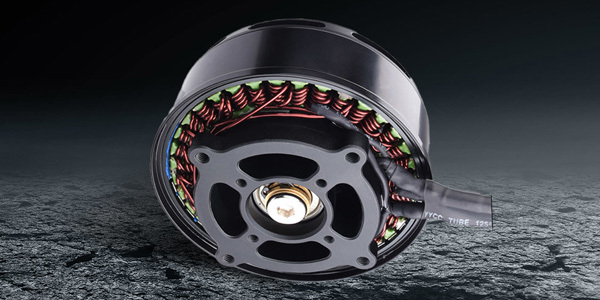
Now, let's talk about the brushless DC motor. As the name suggests, it doesn't have brushes, which means less friction and wear. Instead, it uses electronic controllers to manage the power supplied to the motor. This innovation not only increases efficiency but also extends the motor's lifespan. Sounds pretty sweet, right?
Pros of Brushless Motors
- Higher Efficiency: Less energy wasted means better performance.
- Longer Lifespan: Fewer moving parts lead to fewer issues over time.
- Less Heat: Runs cooler than brushed motors, enhancing overall performance.
Cons of Brushless Motors
- Higher Initial Cost: Typically more expensive upfront.
- Complexity: Requires more sophisticated control systems.
- Size: Can be bulkier due to added components.
Brushless DC vs Brushed Motor: The Showdown
So, which one should you choose in the great brushless dc vs brushed motor debate? Well, it all depends on your application! If you're looking for something simple, cost-effective, and perfect for light-duty tasks, brushed motors might just do the trick. But if you need efficiency, longevity, and performance for more demanding tasks, brushless motors are your best bet.
Real-World Applications
Let's put theory into practice. In the world of robotics, for instance, brushless motors are often preferred due to their precise control and reliability. Meanwhile, in older appliances or hobbyist projects, brushed motors can still shine, proving that sometimes, oldies are goodies!
Wrapping It Up
In the end, whether it's brushless dc vs brushed motor, each has its own unique advantages and disadvantages. Knowing your specific needs can guide you to the right choice. So, the next time you're faced with this decision, remember: it's not just about the motor; it's about how you plan to use it!
Previous: Brushed vs. Brushless Motors: What's the Real Difference?
Next: Unraveling the Mystery: What Does Brushless Motor Mean?


Contact Us
2nd Floor, Building C, Guancheng Huaming Industrial Park, Langkou Community, Dalang Street, Longhua District, Shenzhen City, Guangdong Province