







Nov 16,2025
Brushed vs. Brushless Motors: What's the Real Difference?
Explore the key differences between brushed and brushless motors to enhance your understanding of electric motors.
Understanding the Basics
Ever found yourself wondering what is the difference between brushed and brushless motors? Well, you're not alone! This topic is buzzing in the tech world, and for good reason. As more gadgets and machinery rely on these motors, understanding their differences can help you make informed choices.
What Are Brushed Motors?
Brushed motors are the old-timers of the motor world. They've been around for ages, and they're pretty straightforward in how they operate. These motors use brushes (hence the name!) to deliver electric current to the motor's windings. But, here's the catch: those brushes create friction, which can lead to wear and tear over time. Think of it like a car with a manual transmission; it works just fine, but you've got to keep an eye on those gears!
The Brushless Revolution
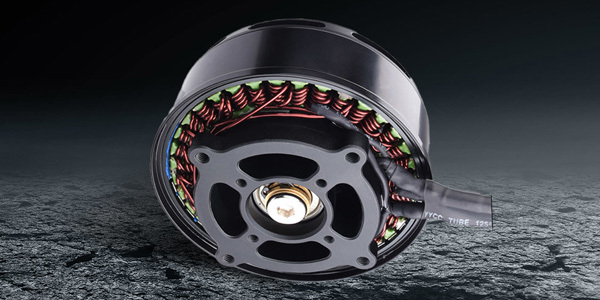
Now, let's switch gears and talk about brushless motors. These bad boys are the new kids on the block, and they're gaining popularity fast. Instead of brushes, they use electronic controllers to regulate the motor's operation. This means less friction, less wear, and a longer lifespan. It's like upgrading from a flip phone to the latest smartphone—everything just runs smoother!
Performance Comparison
When you dive into the nitty-gritty, the performance differences become clear. Brushed motors tend to deliver more torque at lower speeds, making them great for applications like toys or basic power tools. However, they can overheat and lose efficiency at higher speeds. On the flip side, brushless motors shine in high-speed applications. They run cooler, are more efficient, and typically provide a higher power-to-weight ratio. If you're into drones or electric vehicles, you'll want to lean towards brushless!
Cost Considerations
Alright, let's talk dollars and cents. Generally, brushed motors are cheaper upfront. You can snag one for a fraction of the cost of a brushless motor. But hold your horses! Over time, the maintenance and potential replacement costs of brushed motors can add up. Brushless motors, while pricier initially, often prove to be more economical in the long run. It's a classic example of "you get what you pay for."
Applications Galore
Both types of motors have their niches. Brushed motors are commonly found in household appliances, electric toys, and simple power tools. They're reliable and easy to control. Brushless motors, on the other hand, are the go-to choice for advanced applications, such as electric vehicles, drones, and high-performance power tools. Think of them as the race cars of the motor world—fast, efficient, and packed with technology!
Final Thoughts
So, what's the bottom line? When you ask yourself what is the difference between brushed and brushless motors, consider your needs first. If you're looking for something simple and cost-effective, brushed motors might be your best bet. But if you're after performance, efficiency, and longevity, brushless motors are the way to go. Remember, it's all about finding the right tool for the job!
In the end, both brushed and brushless motors have their merits. With technology advancing every day, who knows what the future holds? But for now, whether you're a hobbyist or a professional, knowing the difference can help you make the best choice for your projects.
Previous: Unraveling the Mystery: How Do Brushless Motors Work?
Next: Brushless DC vs Brushed Motor: The Showdown of Efficiency and Performance


Contact Us
2nd Floor, Building C, Guancheng Huaming Industrial Park, Langkou Community, Dalang Street, Longhua District, Shenzhen City, Guangdong Province