







Nov 17,2025
Unraveling the Mystery: How Do Brushless Motors Work?
Discover the ins and outs of brushless motors, their mechanics, and applications in this engaging article.
What's the Buzz About Brushless Motors?
Hey there, tech enthusiasts! If you've ever wondered how do brushless motors work, you're not alone. These nifty little devices have been making waves in industries from robotics to electric vehicles. So, let's dive into the world of brushless motors and unravel their secrets!
The Basics: Brush vs. Brushless
First off, let's get the basics down. Traditional motors, often called brushed motors, use brushes to transfer electricity. But guess what? Brushless motors ditch those brushes altogether! Instead, they rely on electronic controllers to manage the magnetic fields. This not only makes them more efficient but also reduces wear and tear, leading to a longer lifespan. Cooler, right?
Breaking It Down: The Anatomy of Brushless Motors
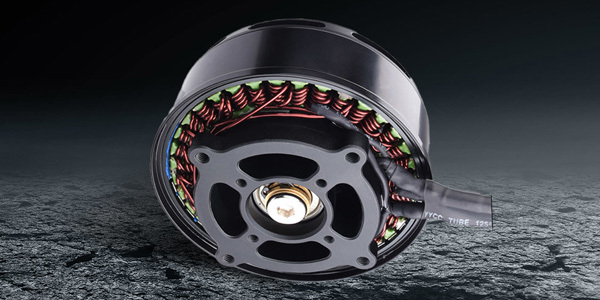
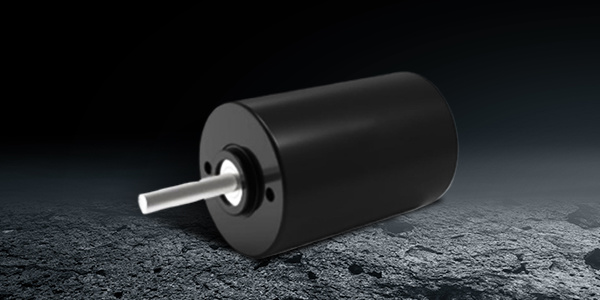
Alright, let's break it down. A brushless motor generally consists of three main parts: the stator, the rotor, and the electronic controller. The stator is the stationary part, while the rotor spins inside it. The magic happens when the electronic controller sends signals to the coils on the stator, creating rotating magnetic fields. This interaction is what gets that rotor spinning!
How Do Brushless Motors Work? The Nitty-Gritty
So, how do brushless motors work exactly? Well, when you power up the motor, the electronic controller activates the coils in a sequence. This sequential activation creates a magnetic field that pulls and pushes against the magnets on the rotor. Voilà! You've got motion. The beauty of this system is that it allows for precise control over speed and torque, making brushless motors incredibly versatile.
Efficiency: The Name of the Game
One of the standout features of brushless motors is their efficiency. Since there are no brushes to cause friction, they waste less energy. This means better performance for your gadgets—whether it's a drone soaring through the skies or a vacuum cleaner zipping around your living room.
Applications Galore!
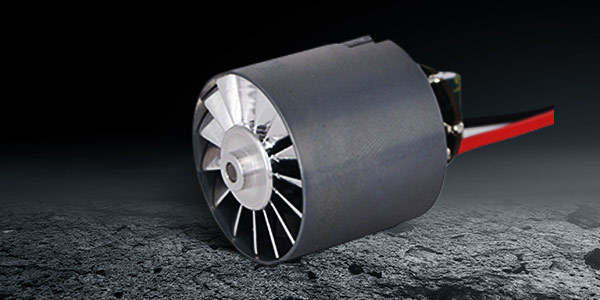
Now, let's talk applications. Brushless motors are everywhere! You'll find them in RC cars, electric bikes, power tools, and even in computer cooling fans. They're also the backbone of many industrial applications, keeping everything running smoothly.
Brushless vs. Brushed: Which is Better?
This is a hot topic among enthusiasts. While brushed motors are generally cheaper and simpler, they come with drawbacks like higher maintenance needs. Brushless motors, on the other hand, may have a higher initial cost but pay off in the long run with their durability and efficiency. So, if you're looking for reliability, brushless might just be your best bet!
Future Trends: Where Are We Headed?
As technology advances, we're seeing brushless motors being integrated into more and more applications. Think of electric vehicles—most of them rely on brushless motors for their drive systems. Moreover, as renewable energy sources gain traction, brushless motors are likely to play a crucial role in wind and solar energy systems.
Final Thoughts
So, there you have it, folks! Whether you're a seasoned tech guru or just starting to explore the world of motors, understanding how do brushless motors work gives you a leg up in today's tech-driven environment. The future looks bright, and these motors are here to stay, driving innovation and efficiency across various sectors.
Next time you see a brushless motor in action, you'll know the science behind it. Isn't that something? Until next time, keep your gears turning!
Previous: The Buzz Around Brushless Electric Motors: Why They're a Game Changer
Next: Brushed vs. Brushless Motors: What's the Real Difference?


Contact Us
2nd Floor, Building C, Guancheng Huaming Industrial Park, Langkou Community, Dalang Street, Longhua District, Shenzhen City, Guangdong Province