







Nov 19,2025
The Future of UAVs: Innovations in High Torque Drone Motors
The Future of UAVs: Innovations in High Torque Drone Motors Table of Contents 1. Introduction to UAVs and Their Evolution 2. Understanding High Torque Drone Motors 3. Key Innovations in Drone Motor Technology 4. Applications of High Torque Drone Motors 5. Challenges and Solutions in Developing High Torque Motors 6. Future Trends in Drone Motor Innovations 7. Environmen
The Future of UAVs: Innovations in High Torque Drone Motors
Table of Contents
- 1. Introduction to UAVs and Their Evolution
- 2. Understanding High Torque Drone Motors
- 3. Key Innovations in Drone Motor Technology
- 4. Applications of High Torque Drone Motors
- 5. Challenges and Solutions in Developing High Torque Motors
- 6. Future Trends in Drone Motor Innovations
- 7. Environmental Impact of UAVs with Advanced Motors
- 8. FAQs about High Torque Drone Motors
- 9. Conclusion: The Road Ahead for UAVs
1. Introduction to UAVs and Their Evolution
Unmanned Aerial Vehicles (UAVs), commonly known as drones, have transformed from military tools into essential assets in various sectors, including agriculture, logistics, and entertainment. The progression of UAV technology has opened new frontiers for aerial applications, driven by the need for efficiency, innovation, and enhanced performance. At the heart of this evolution lies the development of **high torque drone motors**, which significantly impact UAV capabilities.
2. Understanding High Torque Drone Motors
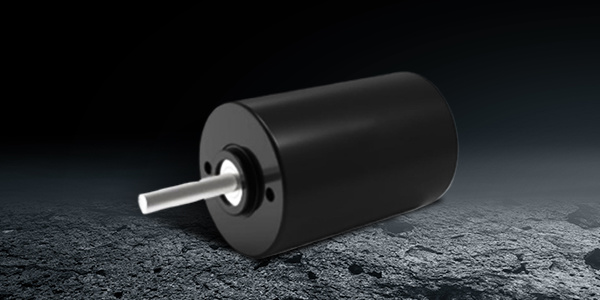
High torque drone motors are specifically designed to deliver substantial rotational force while maintaining efficiency. Torque is crucial in UAV applications, as it determines the drone's ability to lift heavy payloads, climb steep inclines, and perform agile maneuvers. These motors are engineered to provide consistent power output, ensuring reliable operation under various conditions, which is vital for commercial and recreational drone users alike.
The Importance of Torque in UAV Performance
Torque translates directly to a drone's lifting capacity. Higher torque enables drones to carry more weight, which is essential for heavy-duty tasks such as aerial photography with professional-grade cameras or delivering packages in logistics applications. Understanding the relationship between torque and drone performance is essential for manufacturers and users striving to maximize their UAV's potential.
3. Key Innovations in Drone Motor Technology
The landscape of high torque drone motors is marked by several innovative advancements that enhance performance and reliability. These developments include:
Advanced Materials for Lightweight Construction
Manufacturers are increasingly utilizing lightweight materials such as carbon fiber and advanced alloys to construct high torque motors. These materials not only reduce overall drone weight but also improve strength and durability, allowing for more efficient flight operations.
Brushless Motor Technology
Brushless motors offer significant advantages over traditional brushed motors, including higher efficiency, reduced maintenance, and longer lifespan. With fewer moving parts, brushless motors can deliver higher torque without the wear and tear associated with brushed counterparts, making them ideal for UAV applications.
Smart Motor Controllers
Integrating smart motor controllers with high torque motors enhances performance through precise control of motor functions. These controllers can adjust power output dynamically, ensuring optimal torque delivery while conserving energy, thereby extending battery life and flight time.
Improved Cooling Systems
As drone motors operate at high capacities, efficient cooling systems are critical. Innovations in cooling technologies, such as liquid cooling and enhanced airflow designs, help maintain optimal operating temperatures, preventing overheating and ensuring consistent performance during demanding flight tasks.
4. Applications of High Torque Drone Motors
The capabilities of high torque drone motors have facilitated their deployment across numerous applications:
Aerial Photography and Videography
Professional photographers and videographers utilize drones with high torque motors for capturing stunning aerial shots. The ability to carry advanced camera equipment enables the production of high-quality visuals, making them invaluable in film, advertising, and real estate sectors.
Delivery Services
Companies like Amazon and UPS are exploring drone delivery systems powered by high torque motors. These drones can efficiently transport packages, overcoming obstacles and navigating urban environments, thanks to their lifting capabilities.
Agricultural Monitoring
High torque drones are revolutionizing agriculture by enabling farmers to monitor crops from above. The ability to carry specialized sensors and imaging equipment allows for precise assessments of crop health and soil conditions, leading to more informed agricultural practices.
Search and Rescue Operations
In emergency situations, high torque drones play a vital role in search and rescue operations. Their capability to carry life-saving supplies and navigate difficult terrain makes them indispensable tools for first responders.
5. Challenges and Solutions in Developing High Torque Motors
Despite the advancements in high torque drone motors, several challenges persist in their development:
Power-to-Weight Ratio
One of the primary challenges is achieving an optimal power-to-weight ratio. Engineers continually strive to enhance motor performance while minimizing weight, which is paramount for effective UAV operation.
Battery Life and Efficiency
High torque motors require significant energy, which can strain battery life. Innovations in battery technology, such as lithium-sulfur and solid-state batteries, aim to provide longer-lasting power, enhancing UAV efficiency.
Cost Considerations
Developing high torque motors with advanced features can be costly. Manufacturers must find a balance between performance, durability, and affordability to make these motors accessible to a broader market.
6. Future Trends in Drone Motor Innovations
The future of high torque drone motors is promising, with several trends expected to shape their development:
Increased Integration of AI
Artificial intelligence will play a crucial role in optimizing motor performance, enhancing flight autonomy, and improving efficiency. AI-driven systems can analyze flight data in real-time, adjusting motor settings for optimal performance.
Enhanced Energy Storage Solutions
As battery technology progresses, high torque drone motors will benefit from improved energy storage solutions, leading to longer flight times and greater operational flexibility.
Modular Motor Designs
Future innovations may include modular designs, allowing users to customize their drone motors based on specific needs or applications, enhancing versatility across various sectors.
7. Environmental Impact of UAVs with Advanced Motors
The rise of high torque drones has prompted discussions regarding their environmental impact. While drones can reduce carbon footprints in certain applications, the manufacturing processes and energy requirements of high torque motors must be considered. Sustainable practices in production and integration of eco-friendly materials will be vital in mitigating potential environmental concerns.
8. FAQs about High Torque Drone Motors
What are the benefits of high torque motors in drones?
High torque motors enhance lifting capacity, allowing drones to carry heavier payloads and perform agile maneuvers, which is essential for various applications.
How do high torque motors impact battery life?
While high torque motors require more energy, advancements in battery technology aim to improve efficiency, allowing for longer flight times.
What industries benefit the most from high torque drone motors?
Industries such as agriculture, logistics, entertainment, and emergency services significantly benefit from the capabilities offered by high torque drone motors.
Are high torque motors more expensive than traditional motors?
Yes, high torque motors with advanced features tend to be more expensive, but their performance and efficiency can justify the investment.
What trends should we expect in the future of drone motors?
Expect increased AI integration, improved energy storage solutions, and modular designs to enhance versatility and performance in high torque drone motors.
9. Conclusion: The Road Ahead for UAVs
The future of UAVs is undeniably linked to the innovations in high torque drone motors. As technology advances, we anticipate enhanced performance, efficiency, and versatility across various applications. The continuous development of these motors not only expands the capabilities of drones but also ensures they remain competitive in an ever-evolving market. By investing in advanced motor technologies and embracing sustainability, the UAV industry is poised for a bright future, unlocking new possibilities and applications that were once merely the stuff of dreams.
Previous: Understanding Drone Motors: The Heart of UAV Performance
Next: Unraveling the Mystery: What Does Brushless Motor Mean?


Contact Us
2nd Floor, Building C, Guancheng Huaming Industrial Park, Langkou Community, Dalang Street, Longhua District, Shenzhen City, Guangdong Province