







Nov 22,2025
Understanding Drone Motors: The Heart of UAV Performance
Drone motors are critical components that directly influence the efficiency, maneuverability, and overall performance of UAVs. Typically, there are two main types of motors used in drones: brushed and brushless motors. Brushed motors are simpler in design and generally more cost-effective. They feature a commutator that switches the direction of current flow, allowing for rotation. However, their
Brushed motors are simpler in design and generally more cost-effective. They feature a commutator that switches the direction of current flow, allowing for rotation. However, their maintenance requirements are higher, as brushes can wear out over time, leading to reduced efficiency and lifespan. While they can be suitable for smaller, less demanding applications, their performance in high-load scenarios is often limited.
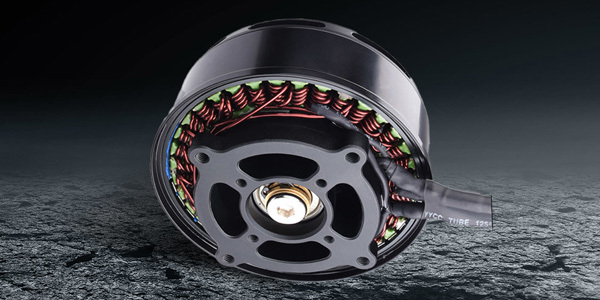
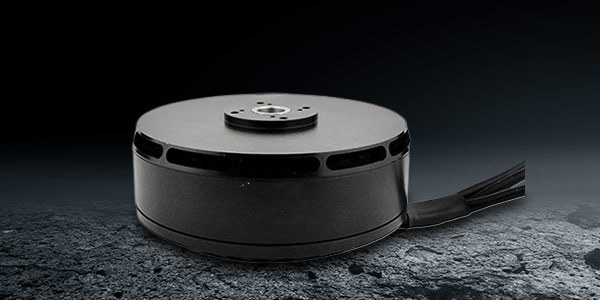
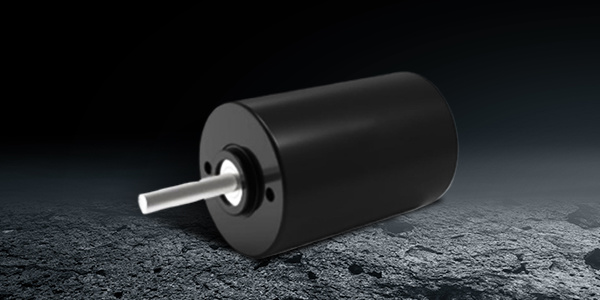
On the other hand, brushless motors have gained popularity in the drone industry due to their enhanced efficiency, durability, and performance. They utilize electronic speed controllers (ESC) to manage power distribution and eliminate the need for brushes, resulting in a longer operational lifespan and less maintenance. Brushless motors are more suitable for high-performance drones, offering higher torque and speed, which are crucial for applications such as aerial photography, surveying, and delivery services.
When choosing the right drone motor, several factors come into play. The thrust-to-weight ratio is paramount; a drone should generate enough thrust to lift its own weight plus any additional payload. This is typically measured in grams of thrust per gram of weight. Selecting a motor that meets or exceeds this requirement is vital for achieving optimal flight performance.
Another important consideration is the motor's Kv rating, which indicates its RPM per voltage applied. A higher Kv rating means the motor spins faster but may produce less torque, while a lower Kv rating offers more torque at a slower speed. The selection should be aligned with the type of drone and its intended use, whether it's for racing, filming, or industrial applications.
Additionally, propeller selection plays a crucial role in maximizing the effectiveness of drone motors. The correct size and pitch of the propeller can enhance efficiency, improve lift, and contribute to better overall flight characteristics.
In conclusion, understanding drone motors is essential for anyone involved in UAV design and operation. By considering the type of motor, thrust-to-weight ratio, Kv rating, and propeller compatibility, professionals can ensure optimal drone performance for their specific applications. Whether you are upgrading an existing drone or building one from scratch, focusing on these technical aspects will lead to more reliable and efficient aerial solutions.
Previous: Choosing the Right Drone Power Kit for Specialized Electric Motors
Next: The Future of UAVs: Innovations in High Torque Drone Motors


Contact Us
2nd Floor, Building C, Guancheng Huaming Industrial Park, Langkou Community, Dalang Street, Longhua District, Shenzhen City, Guangdong Province