







Nov 22,2025
Unraveling the Mystery: What is the Brushless Motor?
Discover the ins and outs of brushless motors, their advantages, applications, and more!
Introduction to Brushless Motors
So, you've heard the term buzzing around like a bee in spring, but what is the brushless motor? Well, grab a cup of coffee and let's dive into the fascinating world of these remarkable machines!
What Sets Brushless Motors Apart?
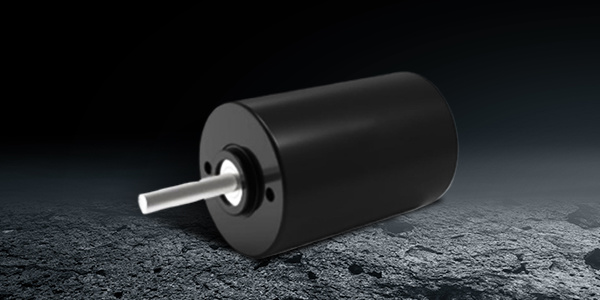
Brushless motors, as the name suggests, are motors that operate without brushes. Which means, they've got less friction, less wear and tear, and—drumroll, please—greater efficiency! Isn't that neat? While traditional brushed motors rely on physical connections to transfer current, brushless motors use electronic controllers. This little twist makes a big difference in performance.
The Anatomy of a Brushless Motor
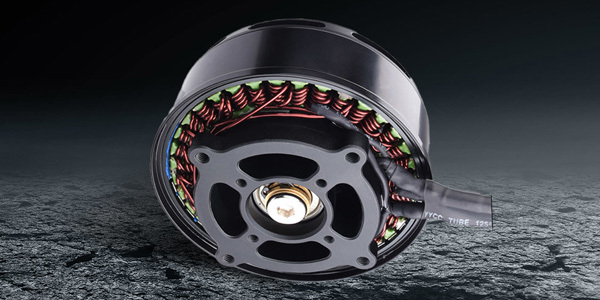
Now, let's break it down. A brushless motor typically consists of a rotor (the rotating part) and a stator (the stationary part). The rotor is usually made of permanent magnets, while the stator is wound with coils of wire. When electricity flows through these coils, it creates a magnetic field that rotates the rotor. It's like a dance, but with magnets! Talk about a magnetic personality!
Benefits of Going Brushless
Alright, let's get to the juicy stuff—why should you care about brushless motors? Here are some key perks:
- Efficiency: They convert electricity to motion with minimal energy loss, making them perfect for battery-powered devices.
- Longevity: With no brushes to wear out, these motors can last significantly longer than their brushed counterparts.
- Low Noise: They operate quietly, which is a huge plus if you're trying to enjoy a peaceful environment.
- Power and Speed: Brushless motors can deliver higher speeds and torque, making them ideal for high-performance applications.
Applications: Where You'll Find Them
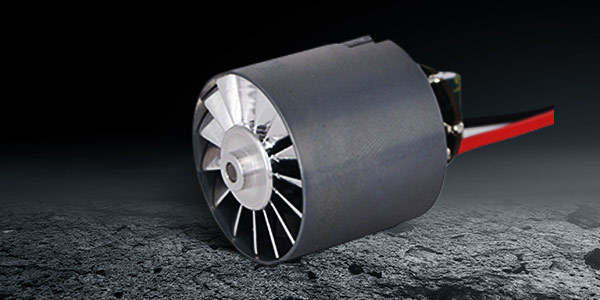
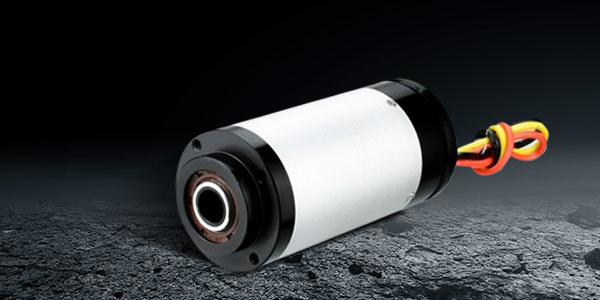
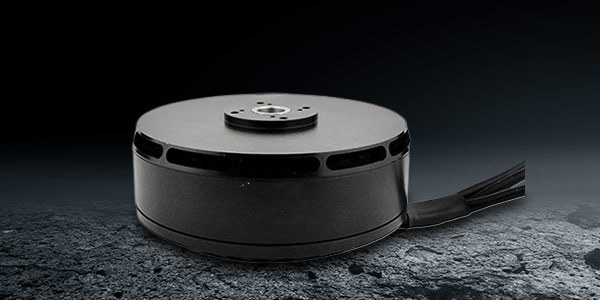
Brushless motors are everywhere! From drones soaring through the skies to electric vehicles zooming down the road, their versatility is unmatched. They power everything from household appliances to industrial machinery. If you've got a gadget, chances are it has a brushless motor in it.
The Downside: Is There a Catch?
Now, it wouldn't be fair to just sing their praises without mentioning the downsides, right? Brushless motors tend to be more expensive than brushed motors due to the complexity of their electronic controllers. Plus, they require a bit of know-how to install and operate efficiently.
Brushless vs. Brushed: The Showdown
Let's wrap it up with a quick showdown. Brushless motors are all about efficiency and longevity, while brushed motors are simpler and cheaper upfront. However, the long-term benefits of going brushless often outweigh the initial cost. It's like investing in a quality pair of shoes—you may spend more now, but your feet will thank you later!
Conclusion: The Future is Brushless
In a world that's leaning heavily towards sustainability and efficiency, it's no surprise that brushless motors are becoming the go-to choice for many applications. As technology continues to advance, we can expect to see even more innovative uses for these magical machines. So, the next time someone asks, "what is the brushless motor?" you'll be ready to impress with your newfound knowledge!
Now that you're equipped with the lowdown on brushless motors, why not share this newfound wisdom with your friends? The more we talk about it, the more we learn—and who knows, you might just inspire someone to switch to a more efficient motor!
Previous: Understanding Drone Motors: The Heart of UAV Performance
Next: Unleashing the Power: The Eagle Power 8308 Brushless Motor


Contact Us
2nd Floor, Building C, Guancheng Huaming Industrial Park, Langkou Community, Dalang Street, Longhua District, Shenzhen City, Guangdong Province