







Nov 25,2025
Choosing the Right Drone Power Kit for Specialized Electric Motors
Choosing the Right Drone Power Kit for Specialized Electric Motors Table of Contents 1. Introduction to Drone Power Kits 2. Understanding Specialized Electric Motors 3. The Role of Power Kits in Drones 4. Key Components of a Drone Power Kit 4.1 Batteries 4.2 Electronic Speed Controllers (ESCs) 4.3 Motors 4.4 Connectors and Wiring 5. Choosing the Righ
Choosing the Right Drone Power Kit for Specialized Electric Motors
Table of Contents
- 1. Introduction to Drone Power Kits
- 2. Understanding Specialized Electric Motors
- 3. The Role of Power Kits in Drones
- 4. Key Components of a Drone Power Kit
- 5. Choosing the Right Power Kit for Your Needs
- 6. Top Brands and Products in Drone Power Kits
- 7. Installation and Setup of Drone Power Kits
- 8. Maintenance Tips for Longevity
- 9. Frequently Asked Questions
- 10. Conclusion
1. Introduction to Drone Power Kits
In the rapidly evolving world of drone technology, understanding the intricacies of **drone power kits** is essential for those working with **specialized electric motors**. These kits are critical for ensuring that drones operate efficiently, especially in specialized applications such as agriculture, surveillance, and search and rescue missions. Today, we delve deeply into the elements that contribute to the optimal performance of drones powered by electric motors.
2. Understanding Specialized Electric Motors
Specialized electric motors are designed for specific applications, providing unique advantages in performance and efficiency. These motors can be categorized into various types, including:
2.1 Brushless DC Motors
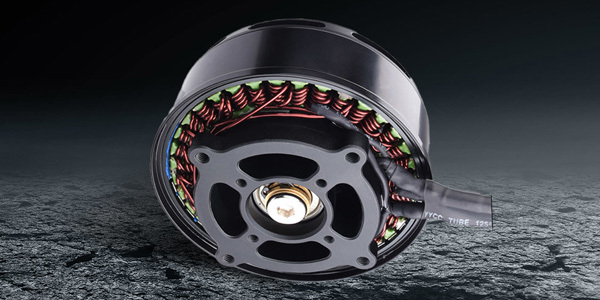
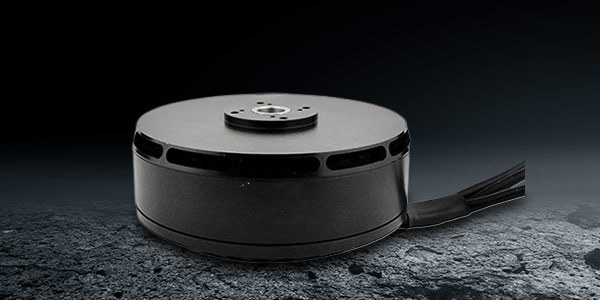
Brushless DC motors are popular in drone applications due to their efficiency and durability. These motors eliminate the need for brushes, resulting in lower maintenance and a longer lifespan.
2.2 Stepper Motors
Stepper motors offer precise control of angular position and are often used in drones requiring accuracy in navigation and positioning.
2.3 Servo Motors
Servo motors are essential for applications that require precise control of motion, making them ideal for drones that need to maneuver in tight spaces or maintain specific angles.
Understanding the characteristics of these motors is crucial when selecting the right power kit, as each type requires different specifications for peak performance.
3. The Role of Power Kits in Drones
Power kits play a vital role in the functionality of drones, especially those utilizing specialized electric motors. A well-designed power kit ensures that the drone receives the correct voltage and current, which directly impacts its performance and safety.
3.1 Energy Efficiency
The right power kit enhances energy efficiency, allowing drones to operate longer on a single charge. This is particularly important in applications where extended flight time is critical.
3.2 Weight Considerations
Weight is a pivotal factor in drone design. A well-optimized power kit can provide sufficient power without adding excessive weight, thus enhancing flight performance.
4. Key Components of a Drone Power Kit
When selecting a drone power kit, it is essential to understand its key components. Each element serves a specific purpose and must be compatible with the specialized electric motors used in your drone.
4.1 Batteries
Batteries are the heart of any drone power kit. They store the energy required for flight and must be chosen based on their capacity (measured in mAh), voltage, and chemistry (LiPo, NiMH, etc.).
4.2 Electronic Speed Controllers (ESCs)
ESCs manage the power flow to the motors, enabling precise control of speed and direction. Choosing the right ESC is crucial for compatibility with the motor and battery.
4.3 Motors
As mentioned earlier, the type of motor impacts the choice of the power kit. Ensure that the power kit is designed to meet the specifications of your specialized electric motors.
4.4 Connectors and Wiring
Quality connectors and wiring are necessary for efficient power transmission. Poor connections can lead to power loss and increased resistance, affecting overall performance.
5. Choosing the Right Power Kit for Your Needs
Selecting the appropriate drone power kit involves several critical considerations:
5.1 Assess Your Requirements
Determine the specific needs of your drone application. Consider factors such as payload capacity, flight time, and operational environment.
5.2 Compatibility
Ensure that all components of the power kit are compatible with each other and with your specialized electric motors. Inspect specifications to avoid mismatches.
5.3 Performance Metrics
Analyze performance metrics such as thrust-to-weight ratio, flight time, and energy consumption. A well-performing power kit will significantly enhance your drone's capabilities.
5.4 Budget
Evaluate your budget while keeping in mind that investing in a high-quality power kit can lead to better performance and longevity in the long run.
6. Top Brands and Products in Drone Power Kits
Several brands are recognized for their quality drone power kits tailored for specialized electric motors. Some reputable names include:
6.1 DJI
DJI offers a range of power kits known for their reliability and efficiency, making them a popular choice among drone enthusiasts.
6.2 Hobbywing
Hobbywing specializes in electronic speed controllers and batteries, providing options that cater to various motor types and applications.
6.3 Tattu
Tattu batteries are well-regarded for their high energy density and performance, making them ideal for long-duration flights.
6.4 Castle Creations
Castle Creations is renowned for its advanced ESCs that provide excellent control and efficiency for specialized motors.
7. Installation and Setup of Drone Power Kits
Once you have selected your power kit, proper installation and setup are crucial for optimal performance.
7.1 Gather Your Tools
Ensure you have all necessary tools, including soldering equipment, connectors, and any mounting hardware.
7.2 Follow Manufacturer Instructions
Always refer to the manufacturer's installation guidelines to avoid damaging components or compromising performance.
7.3 Testing Before Flight
Conduct thorough testing of all components before the first flight. Check connections, calibrate the ESC, and ensure the battery is fully charged.
8. Maintenance Tips for Longevity
To ensure the longevity and performance of your drone power kit, adhere to the following maintenance tips:
8.1 Regular Inspections
Perform regular inspections of the power kit components, looking for signs of wear or damage.
8.2 Battery Care
Follow proper battery care guidelines, including safe charging practices and storage conditions, to prolong battery life.
8.3 Firmware Updates
Stay updated with the latest firmware for ESCs and other electronic components to benefit from performance improvements and bug fixes.
9. Frequently Asked Questions
9.1 What is the best battery type for drone power kits?
Lithium Polymer (LiPo) batteries are often recommended due to their high energy density and lightweight properties.
9.2 How do I know if my motor is compatible with the power kit?
Refer to the specifications provided by both the motor and power kit manufacturers for compatibility information.
9.3 Can I upgrade my existing drone power kit?
Yes, upgrading your power kit can enhance performance, but ensure that all components are compatible with each other.
9.4 How often should I replace my drone power kit?
Monitor the performance of your power kit; replace components as needed based on wear and performance degradation.
9.5 What maintenance is required for drone power kits?
Regular inspections, proper battery care, and following manufacturer guidelines contribute to the longevity of your power kit.
10. Conclusion
In conclusion, choosing the right drone power kit for specialized electric motors is pivotal for enhancing your drone's performance and reliability. By understanding the various components, considering compatibility, and following best practices for installation and maintenance, you can ensure your drone operates optimally for its specific applications. Investing time in research and selection will pay off in improved functionality and lasting satisfaction with your drone technology.
Previous: The Integration of Drones in Electric Motor Applications: Exploring New Frontiers
Next: Understanding Drone Motors: The Heart of UAV Performance


Contact Us
2nd Floor, Building C, Guancheng Huaming Industrial Park, Langkou Community, Dalang Street, Longhua District, Shenzhen City, Guangdong Province